
A Martian meteorite recovered from Antarctica exhibits characteristics indicating it was once touched by water. This discovery has rekindled scientific interest in the possibility of ancient life on Mars, drawing parallels to textures and chemical signatures linked to microbial activity on Earth.
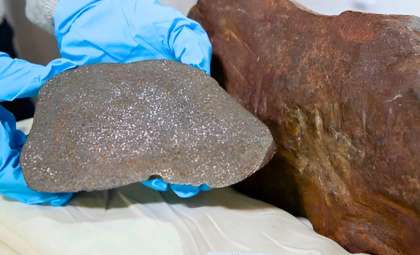
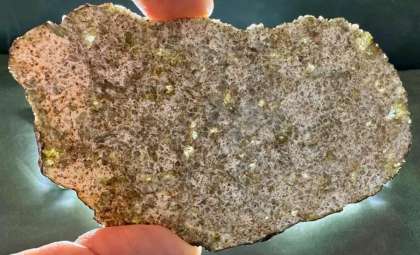
Researchers from NASA’s Johnson Space Center and the Jet Propulsion Laboratory examined the 13.7-kilogram specimen, known as Yamato 000593, applying advanced analytical methods. Their findings reveal internal physical and chemical traits associated with water exposure and organic carbon presence, both crucial components for supporting life.
Building on research initiated in 1996 with the Martian meteorite ALH84001, the current study refrains from declaring definitive proof of life. However, the detected evidence within Yamato 000593 presents compelling avenues for further scientific exploration.

Discovery of Internal Channels and Carbonaceous Spheres
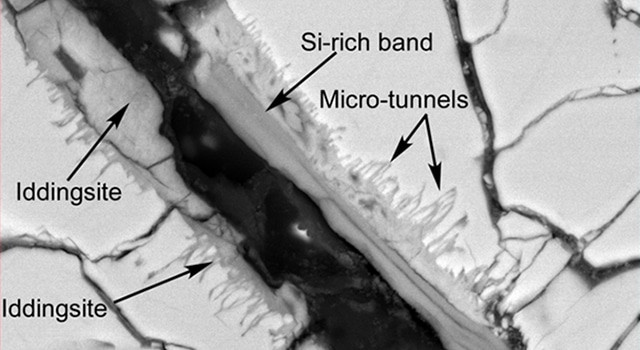
NASA reports that the research team identified two noteworthy features within the meteorite. First, intricate tunnels and micro-tunnels wind through the rock matrix. These sinuous and branching patterns resemble alteration textures found in basaltic glass on Earth, where microbial interactions have altered volcanic materials.
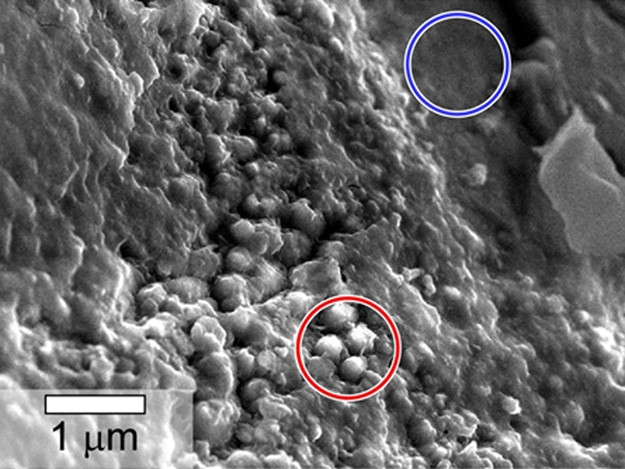
The second key finding includes tiny, rounded features located between mineral layers. These spherules, spanning from nanometer to micrometer scales, harbor significantly elevated carbon levels compared to their surroundings. Comparable carbon enrichments were previously identified in the Nakhla meteorite, which fell in Egypt over a century ago and is also Martian in origin.
These carbon-rich spheres are intimately linked to iddingsite, a clay mineral that forms through water-rock interactions. Based on their arrangement and composition, researchers propose these features may have originated during aqueous processes involving organic materials.
Martian Provenance Confirmed Through Mineral Evidence
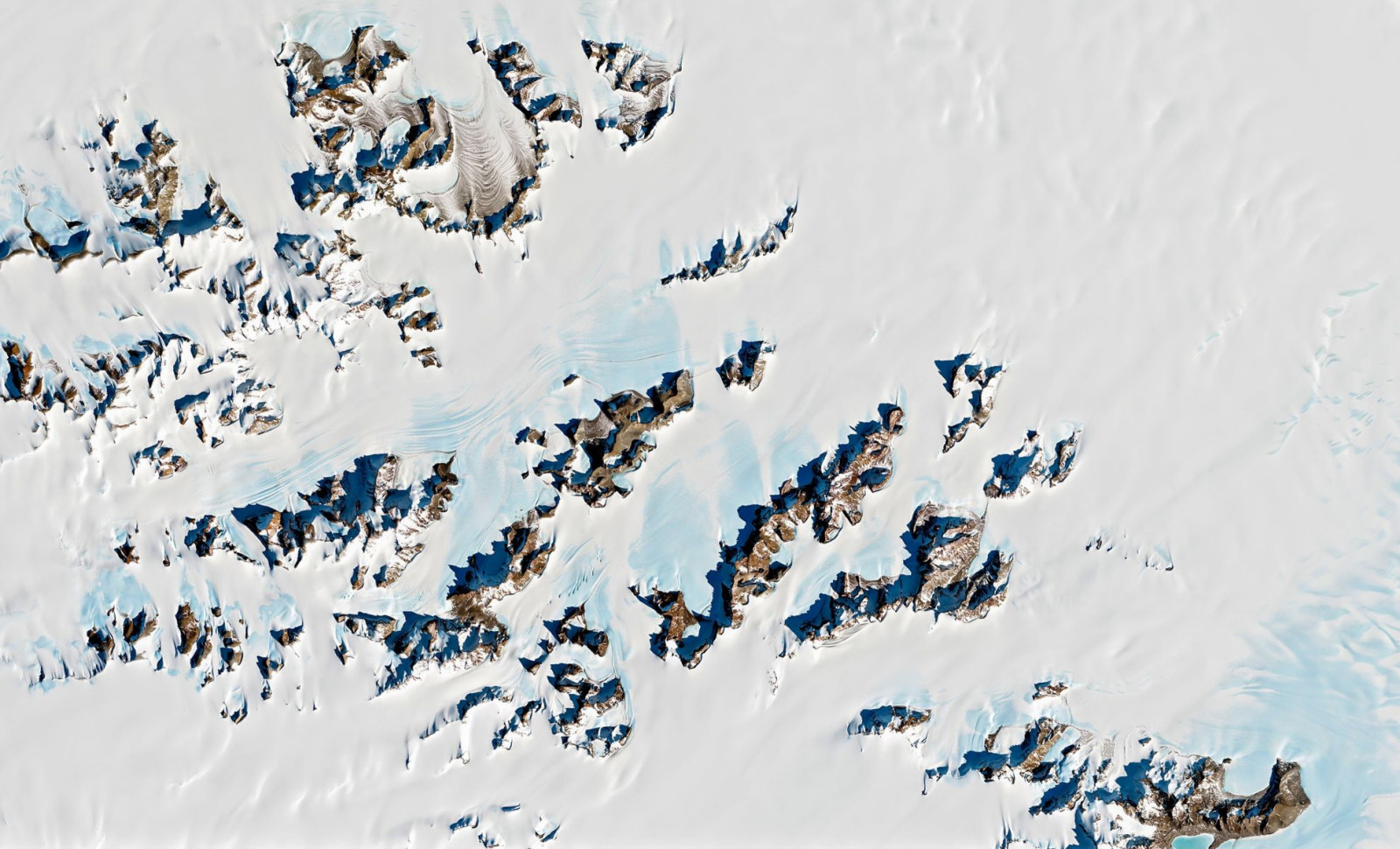
The meteorite was recovered in 2000 by the Japanese Antarctic Research Expedition on the Yamato Glacier. It was subsequently classified as a nakhlite, a volcanic rock from Mars, due to its distinctive oxygen isotope ratios and trapped gases matching the Martian atmosphere.
Formed approximately 1.3 billion years ago during volcanic activity on Mars, the rock was likely ejected into space by an impact event around 12 million years ago. After traveling through space, it landed in Antarctica roughly 50,000 years ago.
NASA highlights similarities between structures in Yamato 000593 and those documented in the recently fallen Nakhla meteorite, reinforcing the notion that these features represent original Martian characteristics rather than Earth-based contamination.
Further Research Required to Draw Conclusions
Lauren White, lead investigator at JPL, stresses that while the findings are intriguing, they do not constitute conclusive evidence of life on Mars.
“This is no smoking gun,” she said. “We can never eliminate the possibility of contamination in any meteorite. But these features are nonetheless interesting and show that further studies of these meteorites should continue.”
Everett Gibson, co-author from Johnson Space Center, underscores the value of analyzing Martian meteorites on Earth. He notes that the presence of clay minerals and carbon-enriched structures points to a once active Martian environment with water and potential organic chemistry.
“As more Martian meteorites are discovered, continued research focusing on these samples collectively will offer deeper insight into attributes which are indigenous to ancient Mars,” noted White.
- Categories:
- Science





0 comments
Sign in to Comment