
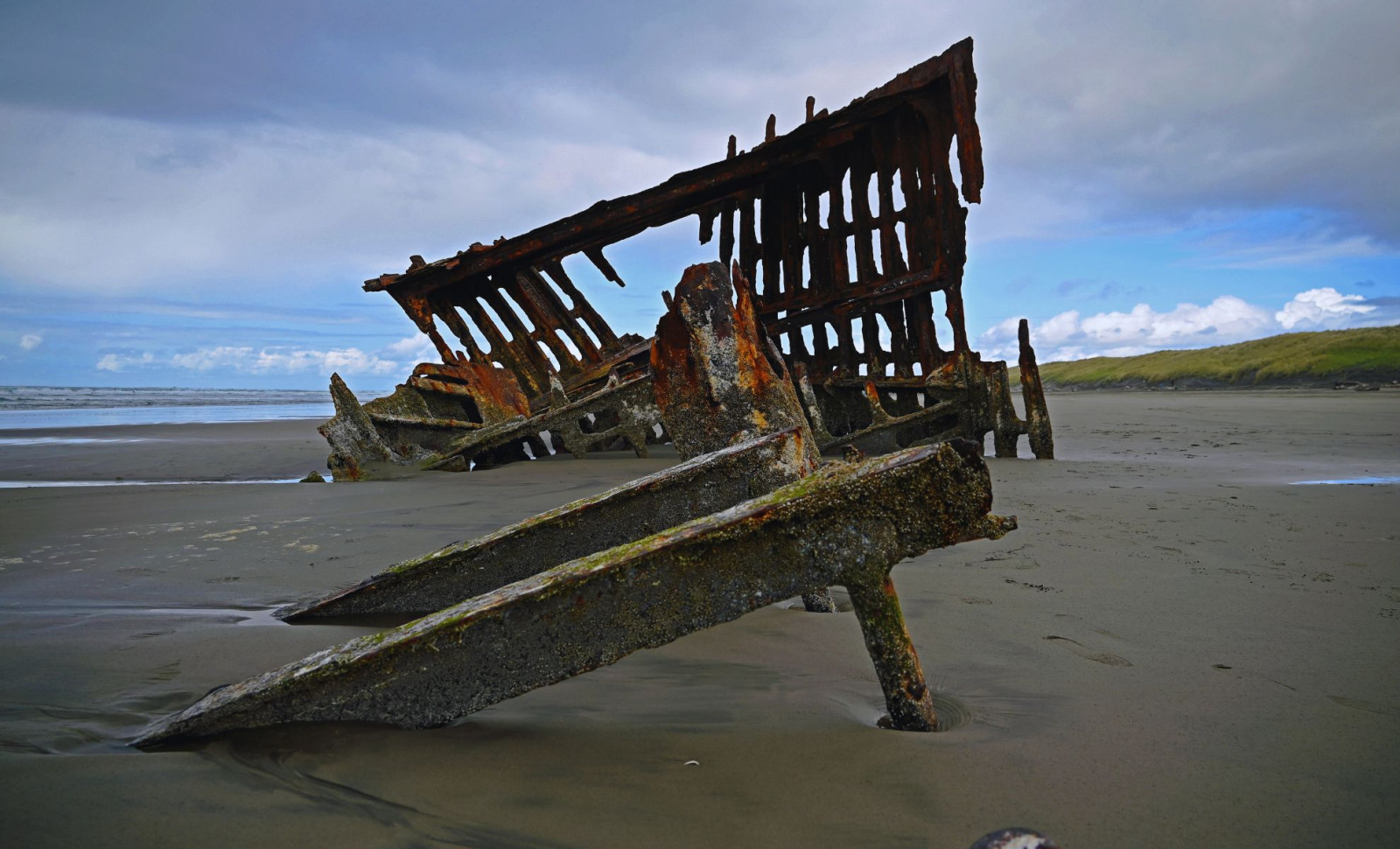
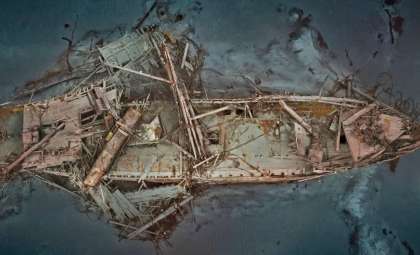
Recent winter storms along New Jersey’s coastline have unveiled the fragmented remains of a wooden vessel that went missing in 1890. Known as the Lawrence N. McKenzie, this historic shipwreck emerged on the dunes of Island Beach State Park after relentless waves and strong winds altered the beach’s landscape.
Constructed in the 19th century, the Lawrence N. McKenzie sank while en route from Puerto Rico to New York City. Although all aboard survived, the vessel itself was never retrieved. Buried under shifting sands for over a century, the discovery was confirmed by Island Beach State Park on January 23, alongside photos shared via their Facebook page.
Natural Erosion Displays Historic Shipwreck
According to the park’s announcement, the shipwreck became visible after “weeks of beach erosion caused by rough surf and persistent wind and wave action.” The exposed wooden remains now lie scattered along a secluded stretch of beach. Park officials described:

“Beach erosion during the winter months is common at Island Beach State Park and is part of a natural, cyclical process. Each year, high-energy waves and seasonal storms remove sand from the shoreline, resulting in narrower beaches and steeper profiles.”
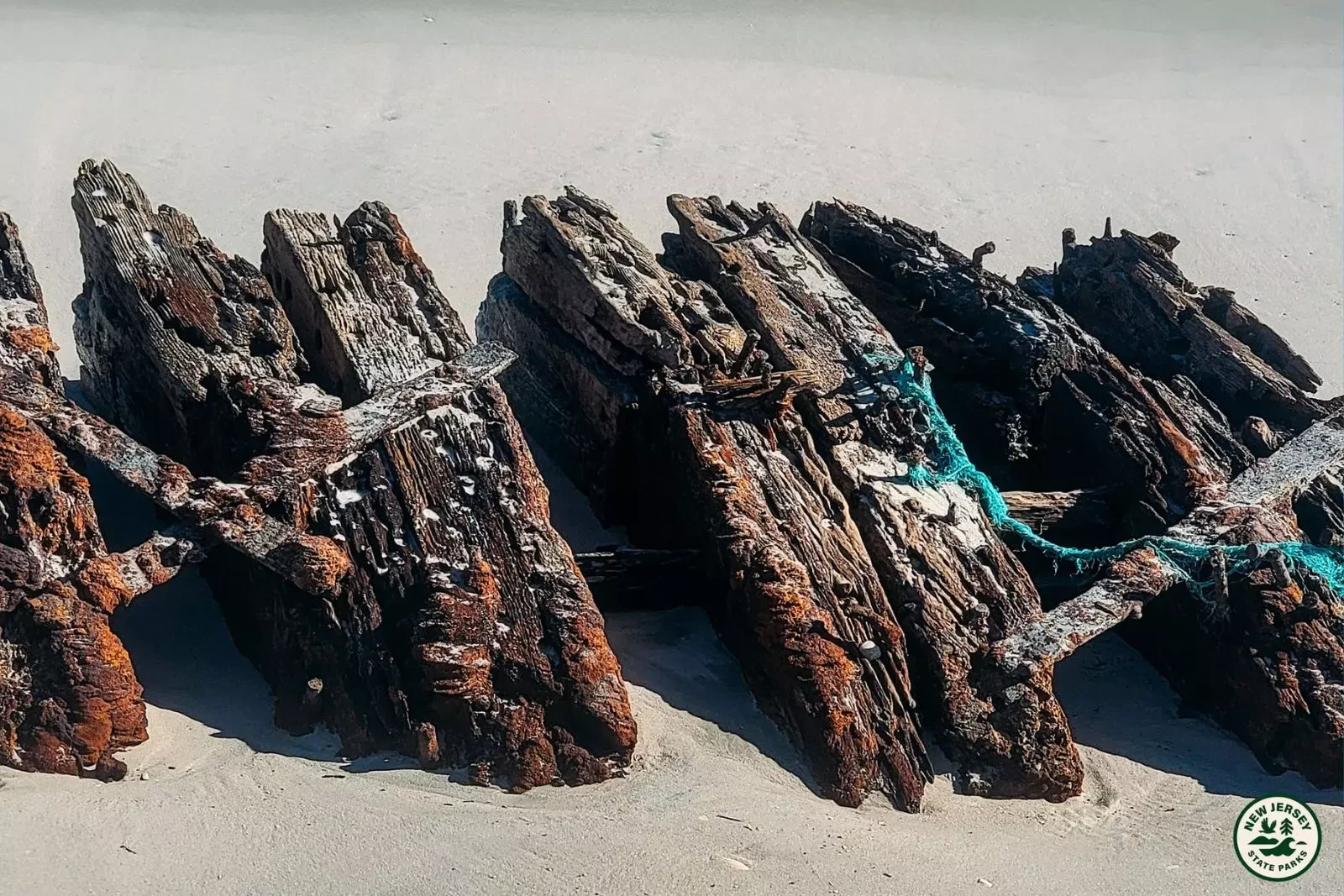
Typically, the sands recover during the calmer summer months, but this winter’s fierce surf penetrated far enough inland to expose what had long rested beneath the dunes. Although only the skeletal remains are visible, they provide sufficient details to recognize the schooner’s identity. Archaeologists are now preparing to study the site.
The Hidden History of the Lawrence N. McKenzie
As shared on social media, the Lawrence N. McKenzie remained buried close to the shore for nearly 140 years. Its final journey ended suddenly along the Jersey coast, though the exact circumstances surrounding the sinking have not been fully documented. The ship’s preservation highlights the minimal human disturbance this section of Island Beach has encountered, an uncommon state for northeastern U.S. coastal areas.
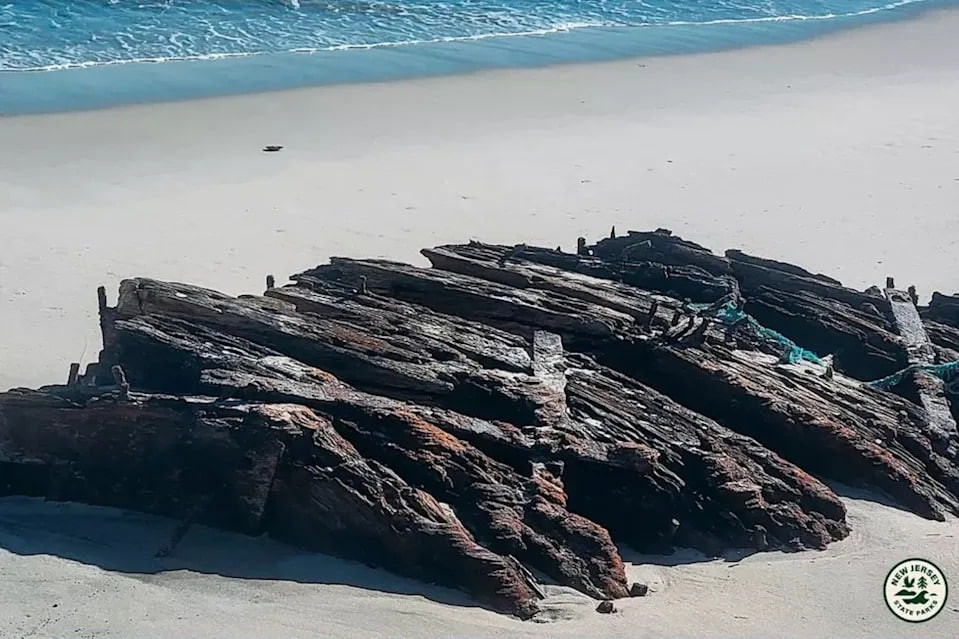
Park representatives emphasized that the region where the wreck surfaced remains largely untouched by development. This untouched condition explains why the shipwreck stayed preserved underground for so long. Unlike areas modified by construction or human activity, this stretch is sculpted solely by natural forces. The fact that no sign of the vessel was visible until now underscores how effectively sand can protect submerged relics.
Extreme Weather Uncovers Buried Shipwrecks Worldwide
The Lawrence N. McKenzie is among several historic ships recently unveiled by severe weather events. A ScienceAlert report highlights discoveries including a 19th-century schooner unearthed by storms in Australia in 2024 and a decade-old shipwreck uncovered by a typhoon in Vietnam in 2025.
Island Beach State Park officials noted that erosion is a normal annual phenomenon, but this winter’s storms were intense enough to shift long-standing sand formations. These newly uncovered wrecks, emerging after powerful weather events, could be indicative of a broader climatic trend.
- Categories:
- Science









0 comments
Sign in to Comment