
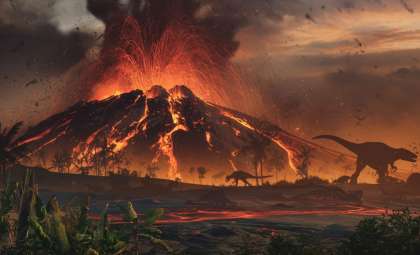
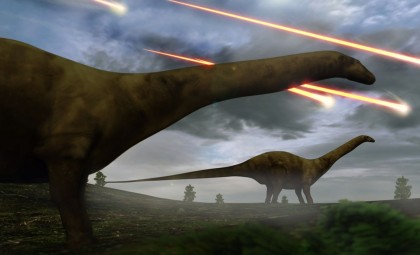
Sixty-six million years ago, a massive asteroid impact is believed to have been the pivotal factor behind the mass extinction that eliminated the non-avian dinosaurs. Recent research shows no signs that ocean acidification was intensifying prior to this catastrophic event.
The end-Cretaceous extinction has been extensively analyzed, but a major question persists: did volcanic activity already destabilize ecosystems before the asteroid struck, or was the impact alone responsible for the mass die-off? This latest study strongly supports the impact as the primary cause.
Published in Proceedings of the National Academy of Sciences (PNAS), researchers examined microscopic fossils to reconstruct ancient marine conditions, uncovering evidence indicative of an abrupt environmental upheaval instead of a slow environmental decline. Findings reported by the GFZ Helmholtz Centre for Geosciences reinforce the role of the Chicxulub impact as the extinction trigger.

Microscopic Fossils Illuminate Past Oceanic Changes
To gain insights into ocean reactions following the impact, scientists analyzed boron isotope ratios preserved in fossilized foraminifera shells. These small sea creatures reflect shifts in seawater chemistry, providing crucial records of historical environmental shifts.
Isotopic evidence demonstrated a sharp phase of ocean acidification immediately after the asteroid collision, with no signs of a preceding gradual increase, according to PNAS.
“Our data speak against a gradual deterioration in environmental conditions 66 million years ago,” lead author Michael Henehan said, according to the GFZ Helmholtz Centre for Geosciences. He added that the team found no evidence of increasing ocean acidification before the impact event.
This research complements other well-known evidence for the extinction event, such as the Chicxulub crater located beneath the Gulf of Mexico and the global iridium-rich sediment layer dating to that era.
Ocean Acidification Drove Dramatic Marine Changes
The scientists combined fossil data from deep-sea drilling cores with rock samples formed around the impact time. The GFZ Helmholtz Centre for Geosciences described how sulfur-laden rocks vaporized during the impact, releasing materials that formed sulfuric acid in the atmosphere, which subsequently acidified the oceans rapidly.
This abrupt ocean chemistry shift severely affected marine organisms relying on calcium carbonate shells to survive. Many species suffered die-offs, dramatically reducing life in the ocean’s upper zones.
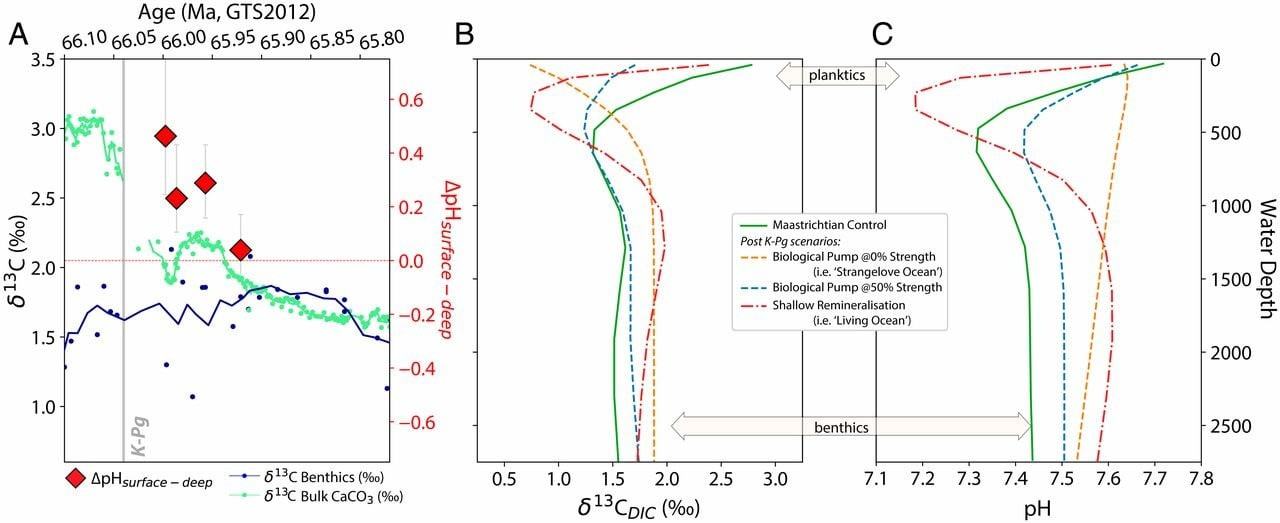
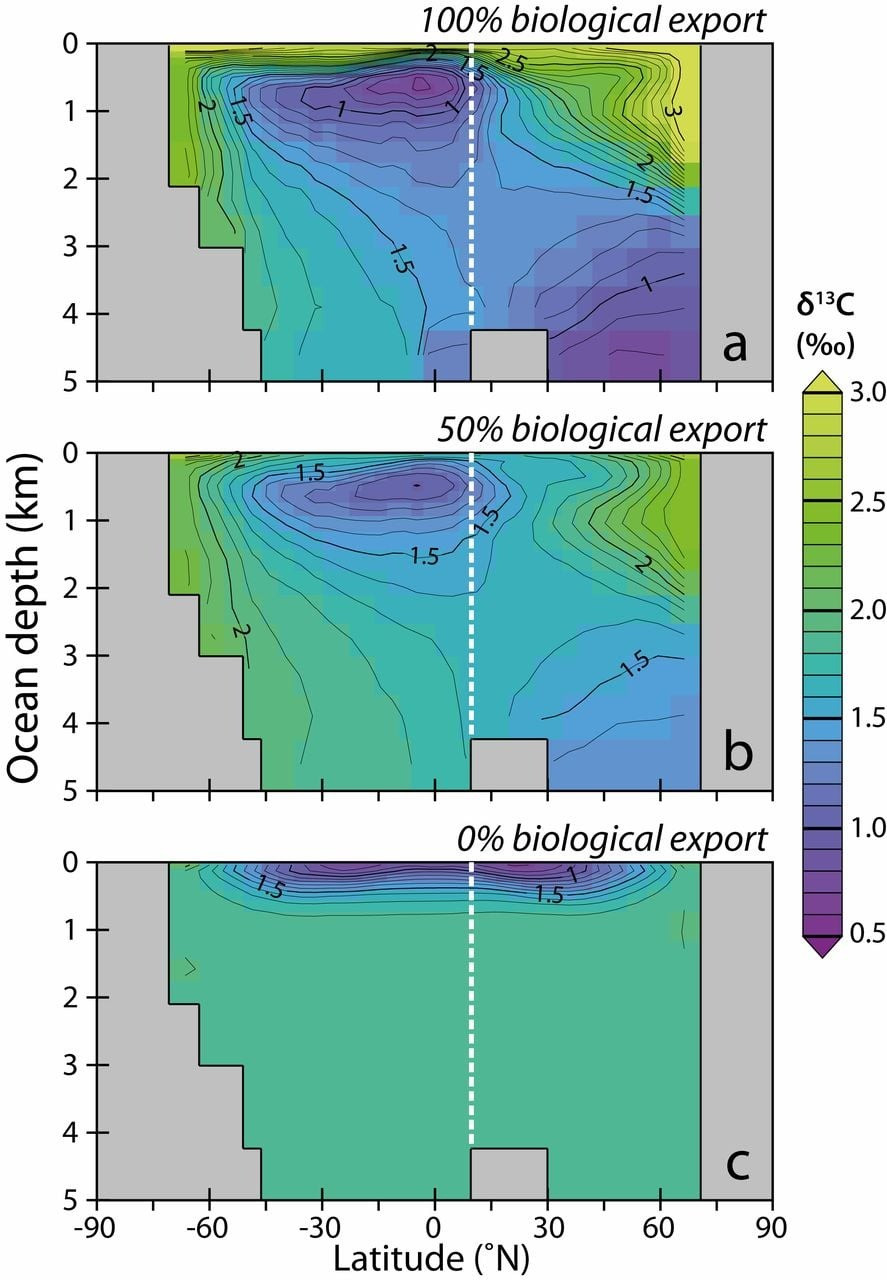
As calcifying organisms declined, oceanic photosynthesis diminished by approximately 50%, affecting carbon absorption for tens of thousands of years until calcareous algae populations rebounded. Recovery of marine ecosystems was prolonged, with the carbon cycle stabilizing only after several million years.
Exceptionally Preserved Clay Records Post-Impact Effects
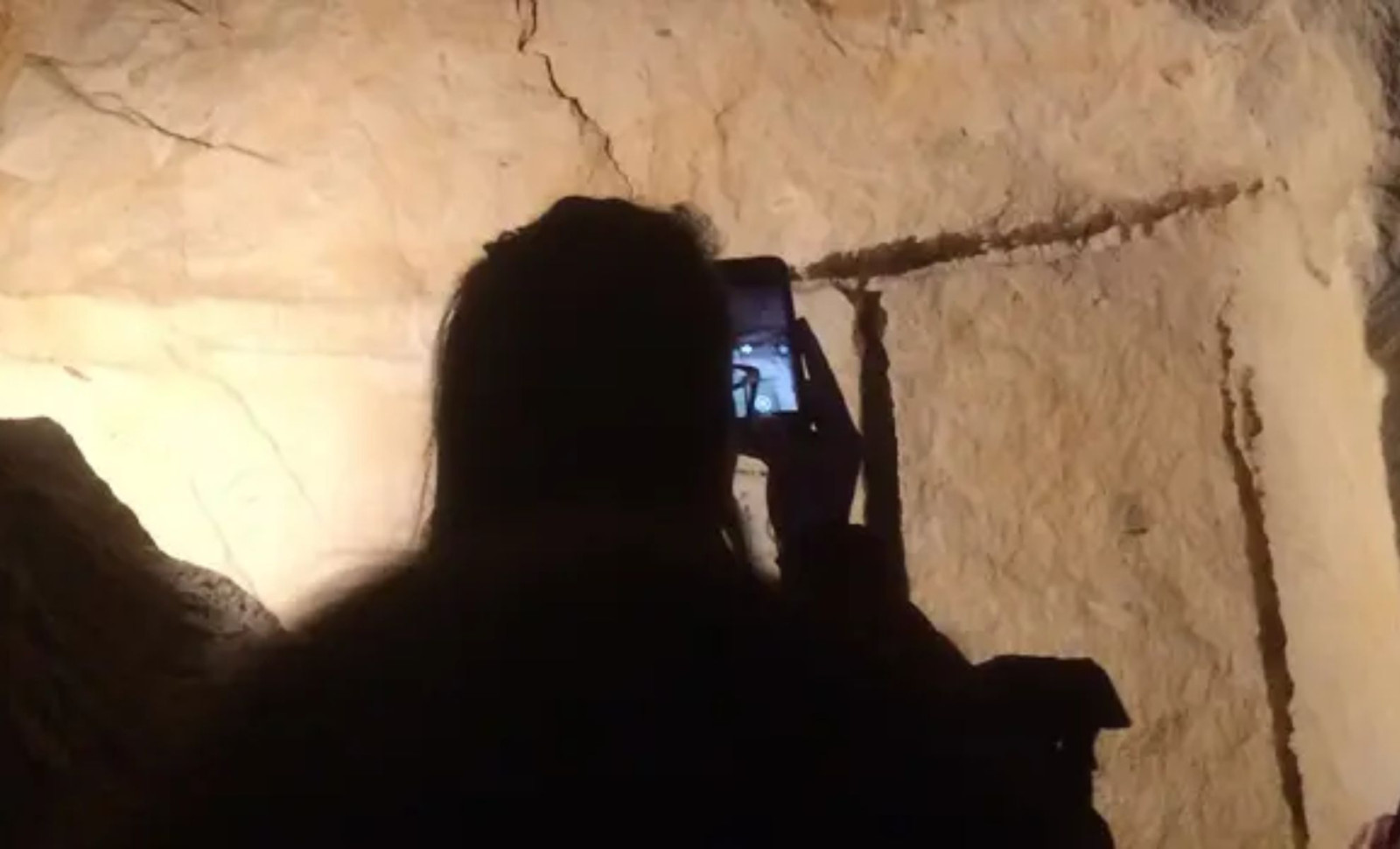
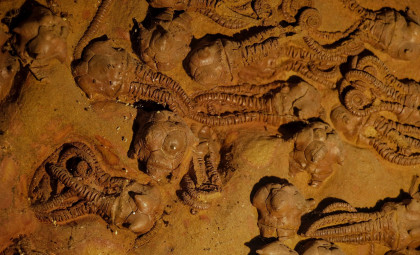
A major finding in this research came from a cave in the Netherlands, which contained an unusually thick clay layer formed right after the asteroid struck. Such deposits are rare because sediments rarely accumulate quickly enough to capture rapid catastrophic changes.
“In this cave, an especially thick layer of clay from the immediate aftermath of the impact accumulated, which is really quite rare,” Henehan said.
This thick sediment preserved abundant fossil remains, allowing researchers to precisely track environmental changes during the extinction interval. Much of the analysis took place at Yale University, where Henehan formerly worked. Currently at GFZ, he is employing the HELGES laboratory’s femtosecond laser to analyze smaller samples with high precision. The team noted:
“This will in the future enable us to reconstruct disturbances in the Earth-climate system at really high resolution in time, even from locations with very low sedimentation rates.”
- Categories:
- Science




0 comments
Sign in to Comment