
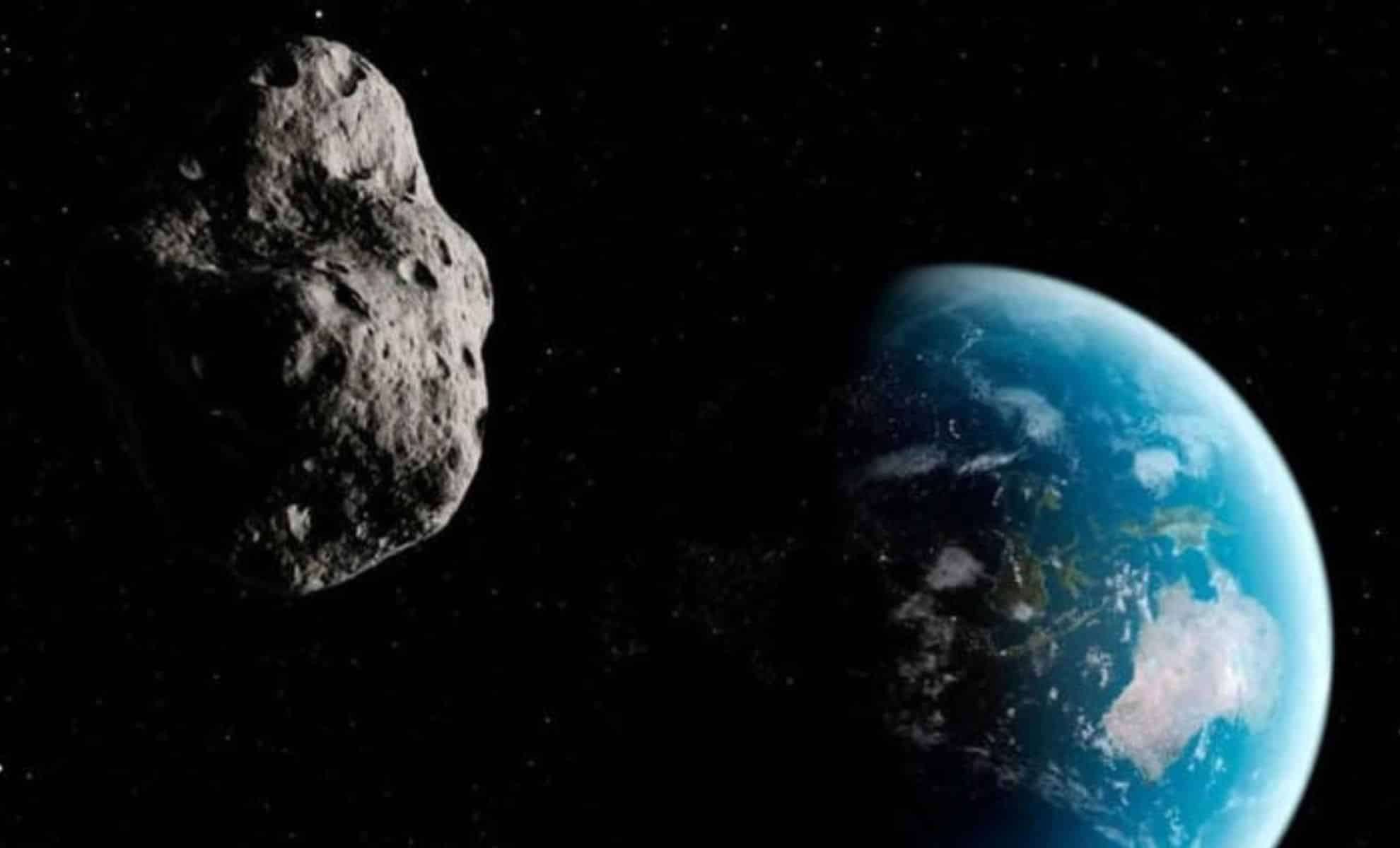
NASA is alerting the public to an upcoming close pass by a huge asteroid, as large as a 210-foot yacht, scheduled for June 22, 2024. This near-Earth event is drawing keen interest from astronomers and planetary scientists worldwide.
Details on Asteroid 2024 LJ: Dimensions and Velocity
Asteroid 2024 LJ is an enormous space rock approximately 210 feet (64 meters) in length, comparable in size to a large yacht. It rockets through space at an incredible velocity near 66,584 miles per hour (107,160 kilometers per hour), exceeding the speed of sound by over 80 times, which travels at roughly 767 miles per hour (1,235 kilometers per hour).

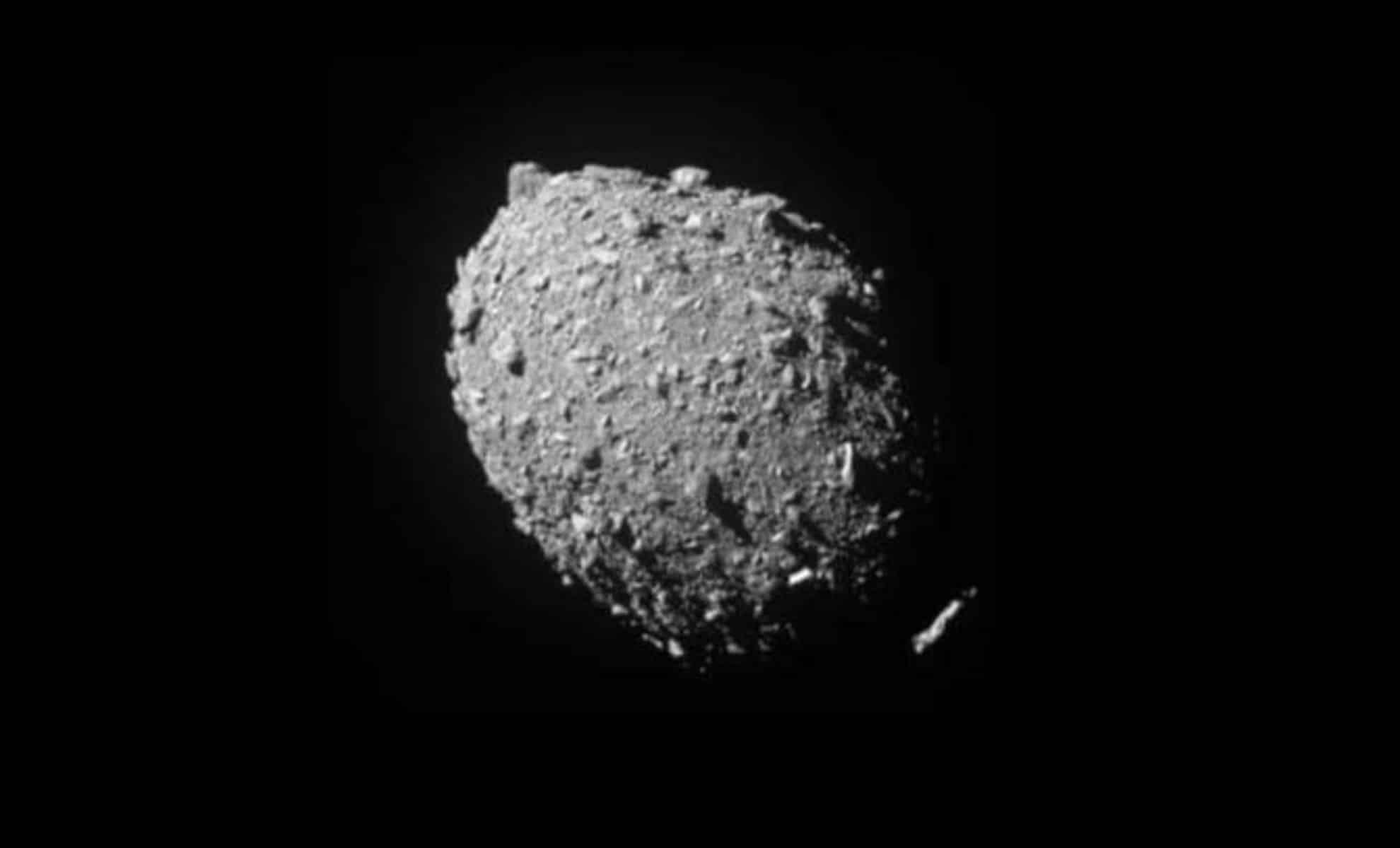
This asteroid's approach is significant given its size and the relatively close distance to Earth. On June 22, 2024, 2024 LJ will fly by at about 2.1 million miles (3.4 million kilometers) away. Although this span might seem huge, astronomically it is close. For perspective, the Moon orbits Earth at about 238,855 miles (384,400 kilometers), so 2024 LJ will pass at nearly nine times the distance to the Moon.
Traveling at such a breakneck speed, 2024 LJ will cover a distance equivalent to Earth’s circumference in just over an hour. This rare close pass offers an exceptional chance for astronomers to analyze the asteroid's composition, path, and other key features. Studying these traits advances our understanding of the formation and lifecycle of similar cosmic objects and enhances asteroid impact preparedness.
NASA’s Surveillance and Protective Measures
NASA’s continuous observation of near-Earth objects (NEOs) like 2024 LJ is part of a larger mission to track and understand near-Earth celestial bodies. The agency’s Planetary Defense Coordination Office (PDCO) identifies asteroids and comets passing within 30 million miles of Earth’s orbit. While 2024 LJ doesn't pose an immediate danger, its trajectory merits focused observation.
Although the asteroid’s size and speed are remarkable, NASA reassures that it will safely pass Earth without collision risk. Scientists view this encounter as a valuable opportunity to glean new knowledge about asteroid structure, movement, and origin, enriching our comprehension of the solar system’s history.
Scientific Progress and Exploration Potential
The impending passage of 2024 LJ underscores humanity’s advancements in space observation. Utilizing ground telescopes, space-based instruments, and advanced tracking technologies, experts can monitor objects like 2024 LJ with extraordinary accuracy. These tools greatly improve our capability to forecast NEO trajectories and prepare for any future threats.
Joining a catalog of known NEOs, 2024 LJ's close approach adds to ongoing scientific investigation and public fascination. While these celestial visitors usually pose no harm, each encounter offers critical data to better understand these wandering space rocks and ices.
NASA’s dedication to planetary defense emphasizes the importance of identifying and studying these near-Earth visitors. Insights from such research deepen our solar system knowledge and support the development of strategies to shield Earth from possible asteroid impacts in the future.
- Categories:
- Astronomy ,
- News ,
- Space ,
- Nasa










0 comments
Sign in to Comment