
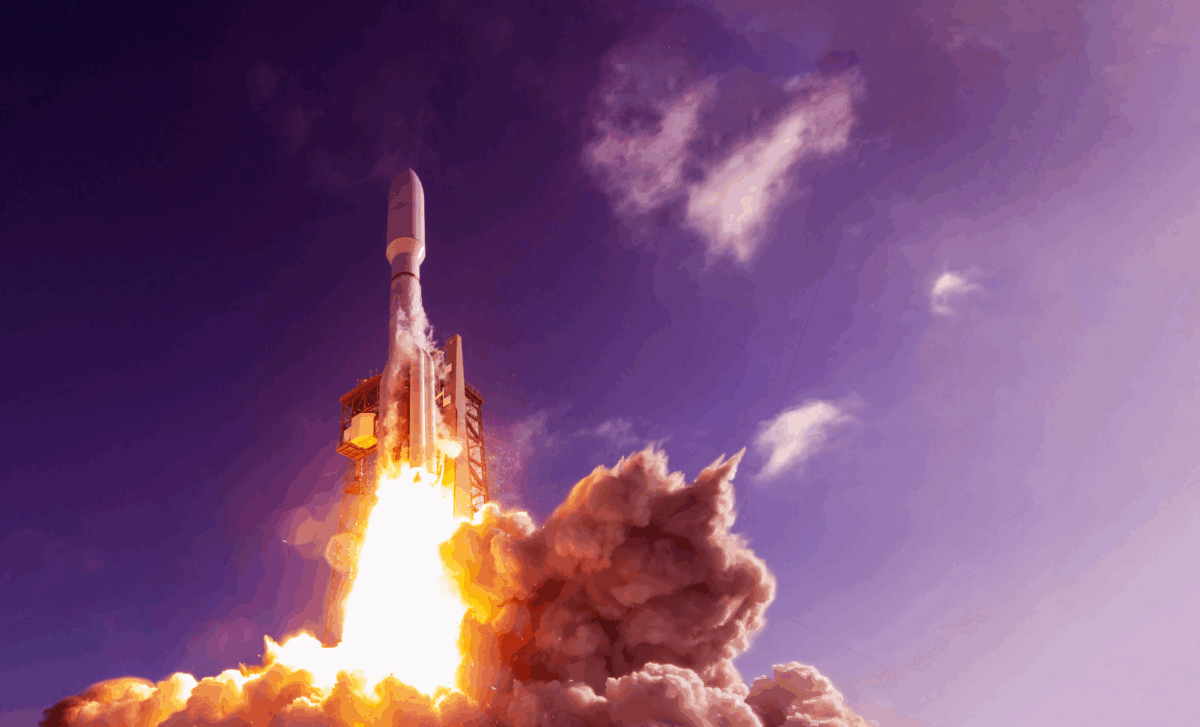
With space travel becoming more frequent, scientists are turning their attention to the ecological consequences of rocket launches. A recent investigation published in NPJ: Climate and Atmospheric Science uncovers a growing concern: the detrimental effects of rocket emissions on the ozone layer found in the stratosphere. Despite progress from international efforts like the Montreal Protocol, experts warn that increased launch activity could jeopardize ozone restoration efforts. The atmospheric damage caused by rockets may prove more persistent than previously thought.
The Atmospheric Footprint Rockets Leave Behind
Rocket propulsion involves more than simply escaping Earth’s gravitational pull. Each launch releases exhaust containing black carbon particles, metals, and often chlorine gases. These pollutants interact harmfully with ozone molecules in the upper atmosphere, disrupting the protective layer that shields life from dangerous ultraviolet rays.
“The sharp increase in global rocket launches poses a risk to the ozone layer’s recovery,” explains Sandro Vattioni from ETH Zurich, lead author of a 2024 study modeling these effects. Although current emissions have moderate impacts, their cumulative effect cannot be dismissed. Given that ozone concentrations remain roughly 2% lower than before chlorofluorocarbon use, ongoing rocket emissions threaten to delay full atmospheric healing.

The largest threat comes from solid-fuel rockets, which release chlorine-containing substances well-known for catalyzing ozone destruction. By contrast, cryogenic fuels such as liquid hydrogen and oxygen cause minimal harm but are rarely used—only about 6% of launches employ these more complex and costly propellants. This continued reliance on chlorine-based fuels presents a significant environmental dilemma for the commercial space industry.
Rocket Launch Frequency Surging Beyond Regulation
Space activity is rapidly expanding. Since 2019, the number of annual rocket launches worldwide has more than doubled, fueled by the growth of satellite mega-constellations, space tourism ventures, and private aerospace companies. Atmospheric scientist Laura Revell and colleagues project these trends will persist.
Using multiple growth projections, her research indicates that with around 2,040 yearly launches, global ozone could decline by 0.29%, with localized reductions reaching 4% above Antarctica. Though these percentages may appear modest, the chemistry governing ozone depletion is highly nonlinear, meaning even minor shifts could cause significant environmental damage.
These conclusions, which enhance Vattioni’s initial analysis and are featured in NPJ: Climate and Atmospheric Science, emphasize a vital warning: unfettered escalation of launches, combined with current fuel choices, threatens to reverse the hard-won victories achieved by the Montreal Protocol. Without timely reforms, the space industry could trigger a fresh atmospheric crisis just as the last one appears to be healing.
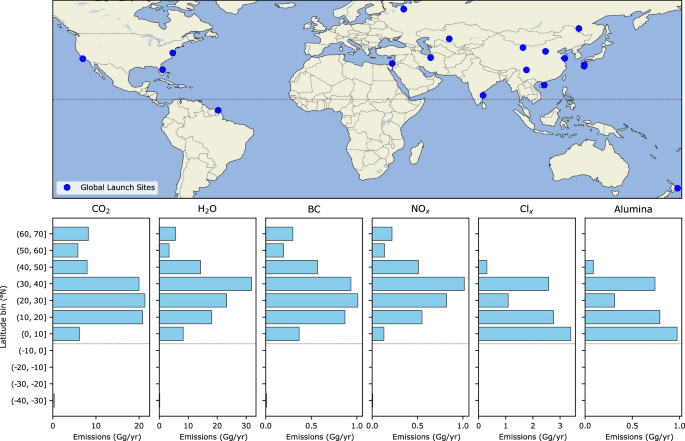
Beyond Launch: Re-Entry Hazards to Ozone
The risks extend beyond the launch itself. As satellites and debris fall back through the atmosphere, intense heat and combustion generate nitrogen oxides and metallic particles that may further threaten ozone.
Nitrogen oxides accelerate ozone breakdown, while metals such as aluminum and magnesium provide reactive surfaces that enhance ozone depletion, especially near polar regions. These processes are not yet fully incorporated into atmospheric models because most studies—including Vattioni’s—focus primarily on emissions during lift-off rather than re-entry events.
With the upcoming mass deployment and de-orbiting of thousands of low Earth orbit satellites, these re-entry impacts might rival or surpass the ozone damage caused by launches. Future research must encompass both launch and re-entry stages to accurately assess the long-term environmental risks.
How to Avoid a Fresh Ozone Catastrophe
The situation echoes the 1980s when rising concerns about chlorofluorocarbons (CFCs) triggered global action via the Montreal Protocol, achieving a 99% decrease in ozone-depleting substances and allowing the Antarctic ozone hole to shrink markedly.
Today’s threat is more complicated, involving a diverse array of stakeholders—from private companies to national space agencies and military programs—with limited coordinated oversight or regulation. As Laura Revell highlights, effective solutions remain attainable through banning chlorine-based fuels, developing cleaner propulsion methods, and integrating environmental considerations at every stage of the space launch process.
Though less visible than CFC pollution, rocket-related atmospheric harm is no less serious. Without swift, decisive intervention, humanity’s space age legacy could leave a lasting and troubling scar on Earth’s protective ozone shield.
- Categories:
- Science







0 comments
Sign in to Comment