

Japan is pioneering a remarkable advancement in the realm of renewable energy with a cutting-edge innovation that could revolutionize solar technology. At the core of this breakthrough are perovskite solar cells, which combine lightweight and flexible properties with extraordinary energy capacity. These solar cells deliver power exceeding that of 20 nuclear reactors combined, potentially redefining the nation’s energy framework and inspiring a global momentum toward sustainable power solutions.
Unlocking the Potential of Perovskite Solar Technology
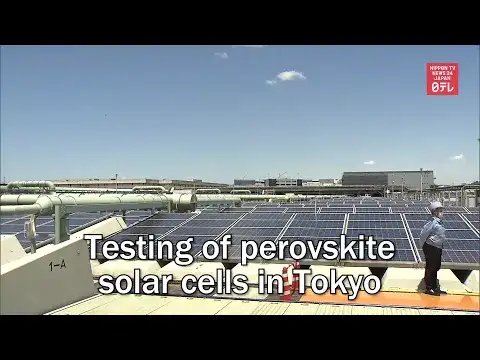
The newly developed perovskite solar cells (PSCs) mark a transformative leap in renewable energy harvesting. Unlike conventional silicon-based solar panels, PSCs stand out for their lightness, flexibility, and versatility, making them particularly suitable for urban environments such as Tokyo. Their capacity to be integrated seamlessly into building exteriors, window panes, vehicle roofs, and even street lighting systems provides an innovative method to harness solar energy in locations where typical panels would be ineffective.
PSCs offer an especially valuable solution for space-constrained cities like those in Japan. Unlike traditional, bulky solar installations demanding large footprints, these cells can be retrofitted onto existing structures, turning everyday surfaces into energy-producing assets. Harnessing solar power without needing extra land makes perovskite technology a major advancement for sustainable urban energy development.

Key Benefits of Perovskite Solar Cells
- Enhanced Efficiency: PSCs provide superior energy conversion efficiency compared to classical solar panels, enabling greater power output from limited surface areas.
- Versatility and Adaptability: These cells can be incorporated onto diverse surfaces, including glass facades, rooftops, and walls, minimizing the demand for additional space.
- Projected Cost Reduction: Although the initial manufacturing expenditure is high, costs are anticipated to fall to around JPY 10/W by 2040, broadening the accessibility of solar technology.
- Lightweight and Portable Design: The inherent flexibility allows these cells to be applied in various innovative formats such as solar-powered vehicles or wearables, expanding clean energy uses beyond traditional frameworks.
Challenges Hindering the Adoption of PSCs
- Longevity Concerns: Despite promising capabilities, PSCs currently face issues related to long-term durability, as their materials are more susceptible to degradation from heat and moisture than conventional solar panels.
- High Initial Capital: Early-stage RC manufacturing remains relatively costly compared to traditional solar panel production methods, posing a barrier to widespread deployment.
- Environmental Impact: Production involves materials like lead, which have toxicity concerns. Ongoing research aims to mitigate such risks, but the ecological consequences of scaling remain important considerations.
Researchers continue efforts to enhance the stability and eco-friendliness of PSCs, with improvements expected to make these cells a vital asset in the global shift toward clean, renewable energy.
Japan’s Strategic Move Toward Renewable Energy Dominance
Japan accelerated its renewable energy initiatives following the 2011 nuclear catastrophe, highlighting the vital need for safer and greener power sources. Solar now contributes 10% to Japan’s electricity mix, a significant leap from 1.9% in 2014. National targets aim for renewables to compose 36%-38% of total energy by 2030, with PSC technology central to reaching that milestone.
A major advantage for Japan stems from being the world’s second-largest iodine supplier, a key material in PSC production. This domestic resource supports a reliable and self-sufficient supply chain, enhancing national energy security and fostering growth in domestic manufacturing. This strategic position not only bolsters the local economy but also cements Japan’s role in the advancing global renewable energy sector.
Government backing fosters private-sector innovation, with companies like Sekisui Chemical Co. creating cutting-edge PSC modules planned for rollout in the 2030s. Applications span from urban infrastructure projects to hybrid power systems blending solar and wind, ensuring resilience and sustainability. This multipronged approach aims to fulfill Japan’s energy demands while contributing internationally to green energy progress.
Japan’s Influence on Tomorrow’s Energy Landscape
Japan’s bold commitment to advancing perovskite solar technology underscores its dedication to innovation and sustainable development. Tackling challenges like urban density and cost efficiency, PSCs are positioned to revolutionize the renewable energy sector. As efficiency rises and costs fall, these solar cells promise to make clean energy more accessible for urban centers and rural communities alike.
Global observers closely monitor Japan’s progress with perovskite solar cells, recognizing its leadership in driving energy innovation. Through optimal use of resources and a sustainability-first mindset, Japan is setting a global example in the transition toward a greener energy future.












0 comments
Sign in to Comment