

For over fifty years, individuals worldwide have reported hearing a puzzling low-frequency noise often described as a distant, continuous rumble. A recent publication in PLOS One proposes that these experiences might originate not from environmental sources but instead from internal mechanisms within the human auditory system.
This curious sound first drew attention in the 1970s in Bristol, UK, where local residents noticed a persistent drone, more prominent during nighttime hours. Despite numerous complaints and investigations, no definitive external source was identified at the time.
Similar reports soon surfaced in other parts of Europe and North America. According to The Guardian, hundreds of cases have been catalogued in global databases, although extracting consistent measurements of the so-called “Hum” under controlled conditions remains challenging.

Consistent Reports Across Various Locations
Following the initial observations in Bristol, comparable sounds were reported in several other UK towns such as Hythe, Plymouth, Southampton, and Swansea. These accounts typically describe a steady, low-pitched noise that emerges unexpectedly without an identifiable origin.
Further reports extend to areas as far-flung as Taos, New Mexico, and Kokomo, Indiana. This widespread occurrence transformed the Hum from a localized oddity into a subject of scientific inquiry, given the lack of apparent common external sources.

Since 2012, the World Hum Database Project has been collecting testimonies, revealing consistent descriptions: a low, monotonous rumble that’s difficult to pinpoint and often more noticeable in quiet, indoor environments.
Environmental Explanations Remain Elusive
Researchers have explored various potential external causes over the years. Early theories from the 1970s proposed that the interaction of fast-moving upper-atmosphere jet streams with slower air layers could produce low-frequency vibrations. Later, in 2015, a French team suggested ongoing ocean wave activity as a possible contributor.
The Guardian reports that these ideas face significant challenges: low-frequency sounds have long wavelengths and are notoriously difficult to isolate amid environmental noise, complicating efforts to verify any specific source.
Despite thorough investigations, no single external cause has consistently explained all instances. The Hum continues to appear unpredictably, both in when and where it is experienced.
Focus Shifts to Auditory System Activity
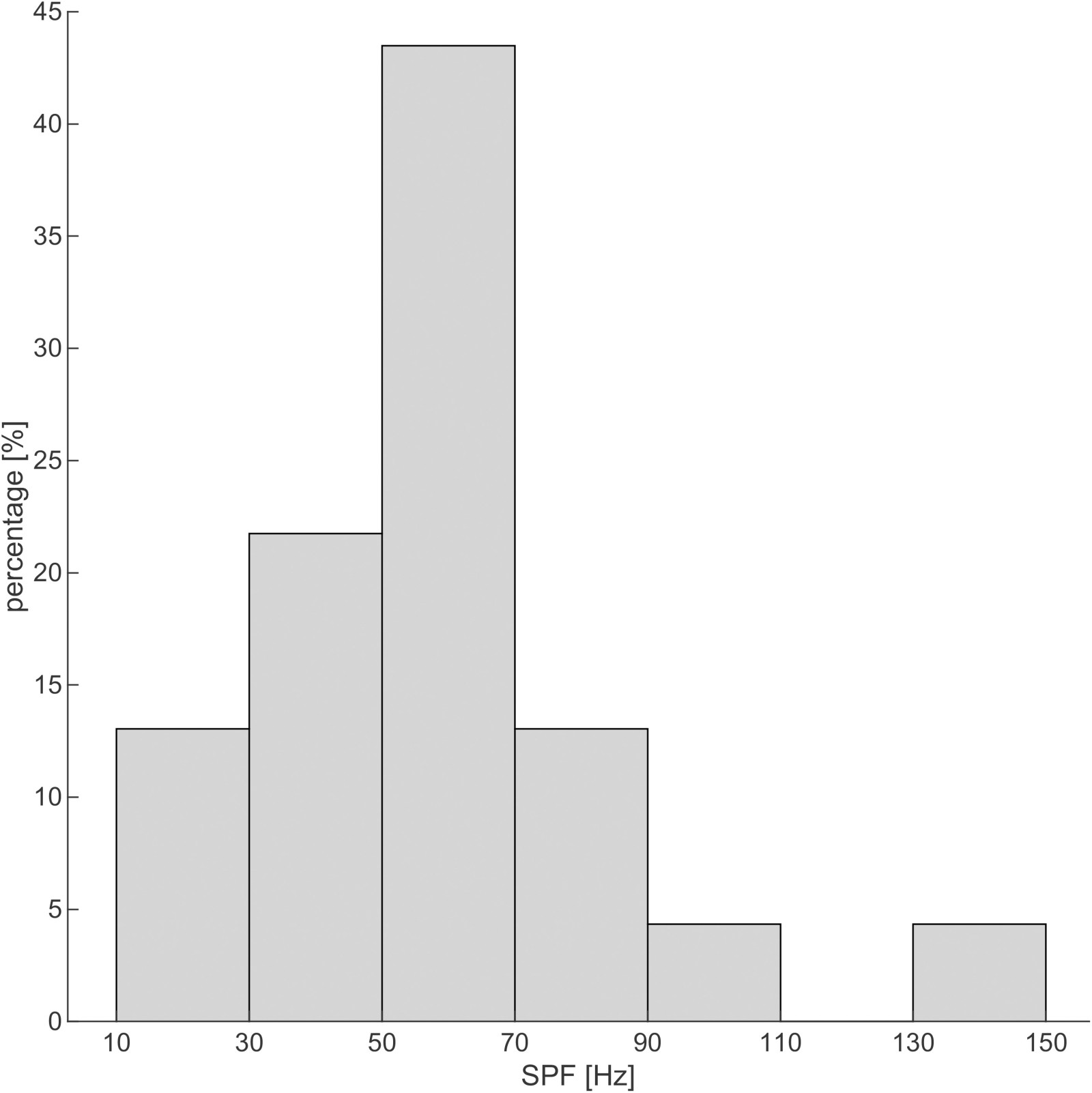
A new study published in PLOS One has approached the issue by examining individuals who report hearing the sound. Led by Markus Drexl from the Norwegian University of Science and Technology, the team studied 28 volunteers in Germany experiencing low-frequency sound percepts (LFSPs).
Only two participants exhibited notable sensitivity to low-frequency sound during testing, suggesting that increased external hearing does not explain most of the group's experiences.
The researchers also assessed otoacoustic emissions, faint sounds generated by the inner ear. However, no consistent correlation was found between these emissions and the reported sounds.
In remarks accompanying the study, Drexl noted:
“We know that there are people who hear low-frequency sounds that can actually be measured, even if other people don’t hear them,” he added in a release published by the Norwegian SciTech News that, “it’s not so easy to find the source of these sound waves, because it’s a struggle to localize low-frequency sounds.”
Low-Frequency Tinnitus as a Leading Theory
With external causes and ear-generated sounds largely discounted in this cohort, researchers suggest that low-frequency tinnitus may explain many instances. Unlike the common high-pitched form, this variant manifests as a deep humming or vibration-like sensation and can be perceived as external even though it originates internally.
“What we know about the hearing system is mainly based on how we capture and process sound with higher frequencies,” he said. “We know less about how the auditory system handles and processes low-frequency sound, or infrasound.”
The researchers emphasize that while internal auditory processes likely account for many cases, the Hum's widespread and longstanding nature suggests that multiple causes might be involved.
- Categories:
- Science













0 comments
Sign in to Comment