
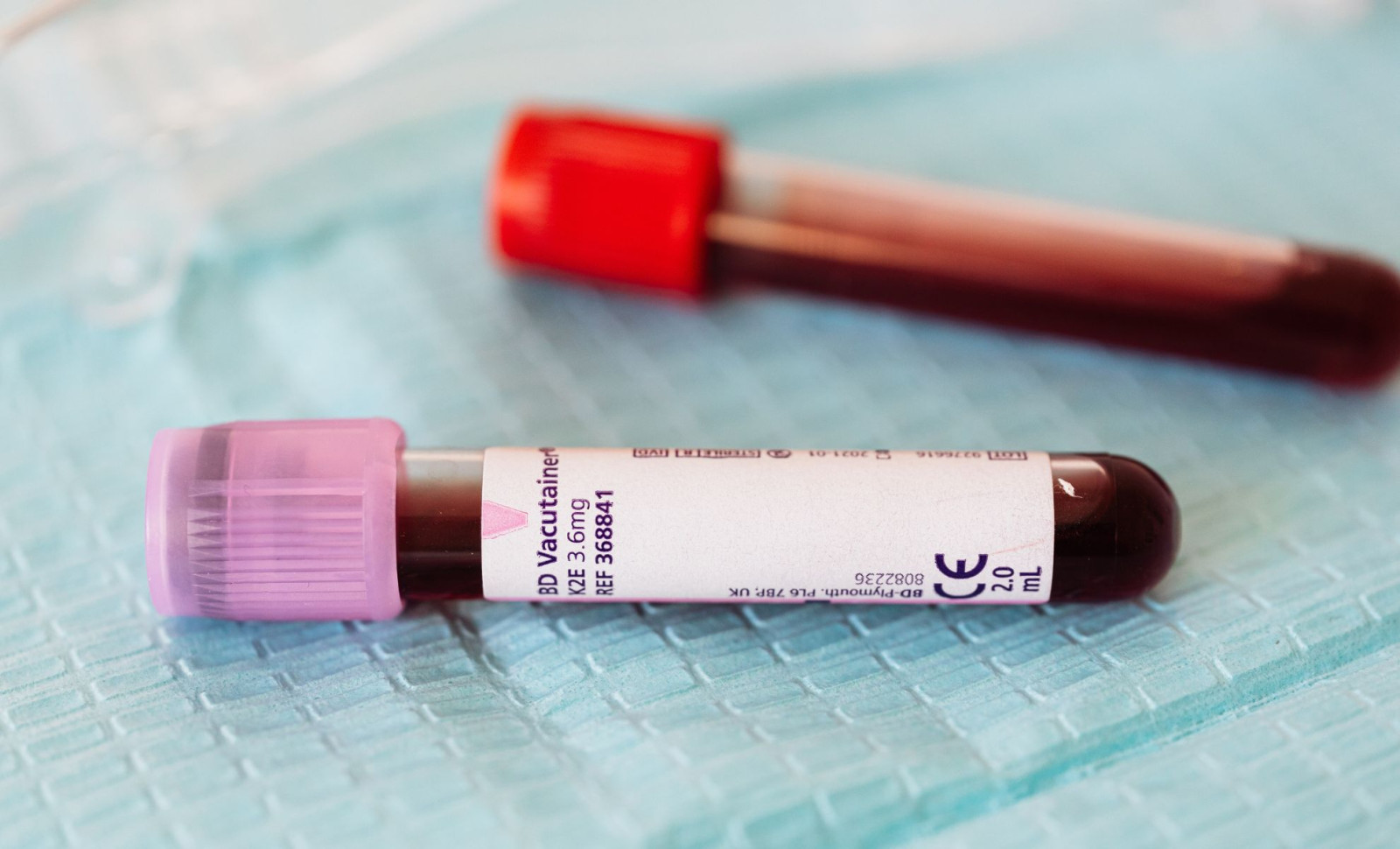
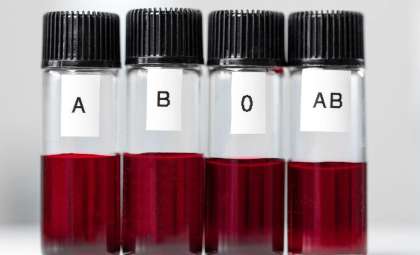
Researchers have identified a blood group so rare that only three known individuals carry it, challenging established views of human blood variation. Named B(A), this blood type defies the conventional ABO classification system, suggesting undiscovered diversity may exist within human blood groups.
For many years, blood typing has relied on a stable framework critical for transfusion safety and medical diagnostics. Since its establishment in the early 1900s, the ABO system has been considered well-characterized and reliable.
However, the emergence of unusual blood types like B(A) reveals the complexity and exceptions that still puzzle scientists, complicating medical protocols that depend on precise blood matching.

An Uncommon Combination Outside Traditional Classification
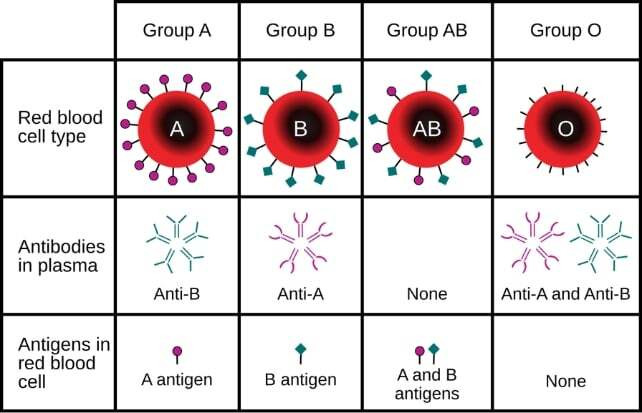
The B(A) blood type was first discovered in 2025 at a medical facility in Thailand. Researchers were surprised when laboratory tests showed a discrepancy: these individuals predominantly expressed B antigens but also exhibited trace amounts of A antigens, which does not conform to standard ABO categories, as documented in a study featured in Transfusion and Apheresis Science.
The discovery involved three subjects: a patient and two blood donors. Notably:
“ABO discrepancies were distinct between donors and patients even in the same ethnicity,” which is unusual and not something typically seen in routine testing.
Such ambiguous blood type results pose challenges for accurate blood typing, especially when precision is crucial for treating patients.
Genetic Origins Underlying the Anomaly
Further genetic analysis traced this rare blood type to unique variations in the ABO gene located on chromosome 9. The three individuals shared four novel alleles previously undocumented in blood type research.
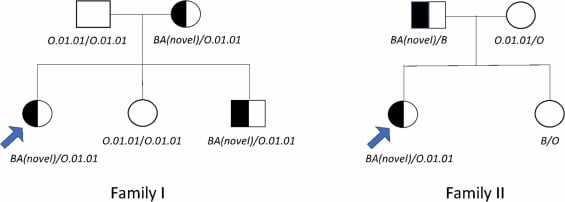
This genetic variation influences antigen formation on red blood cells, producing a predominantly B type pattern with minor A antigen expression. Interestingly, the mutations identified are distinct and have no match to any previously recognized blood group alleles.
“This finding highlighted the influence of the patient’s conditions and therapy on the anomalous ABO typing. Additionally, the B(A) individuals identified in this study carried identical genetic alterations that differed from all antecedent alleles of the B(A) phenotype,” explained the authors.
Blood Types Rarer Than Commonly Known
While most people know about O negative as a universal donor type, it is not the scarcest blood group. For instance, fewer than 50 individuals worldwide possess the Rh-null or “golden blood”, lacking Rh antigens entirely.
Even more extraordinary is the Gwada negative type, observed in just one person. The addition of the B(A) blood type brings the count of recognized blood group variants to 48, underscoring the intricate nature of blood classification.
“Future studies,” researchers added, “are required to elucidate the structural and functional consequences of the mutated [enzyme] AB transferase.”
Scientists believe there may be other undiscovered rare blood types, as the identification of B(A) in multiple individuals hints at a potentially larger, hidden diversity within human populations.
- Categories:
- Science









0 comments
Sign in to Comment