
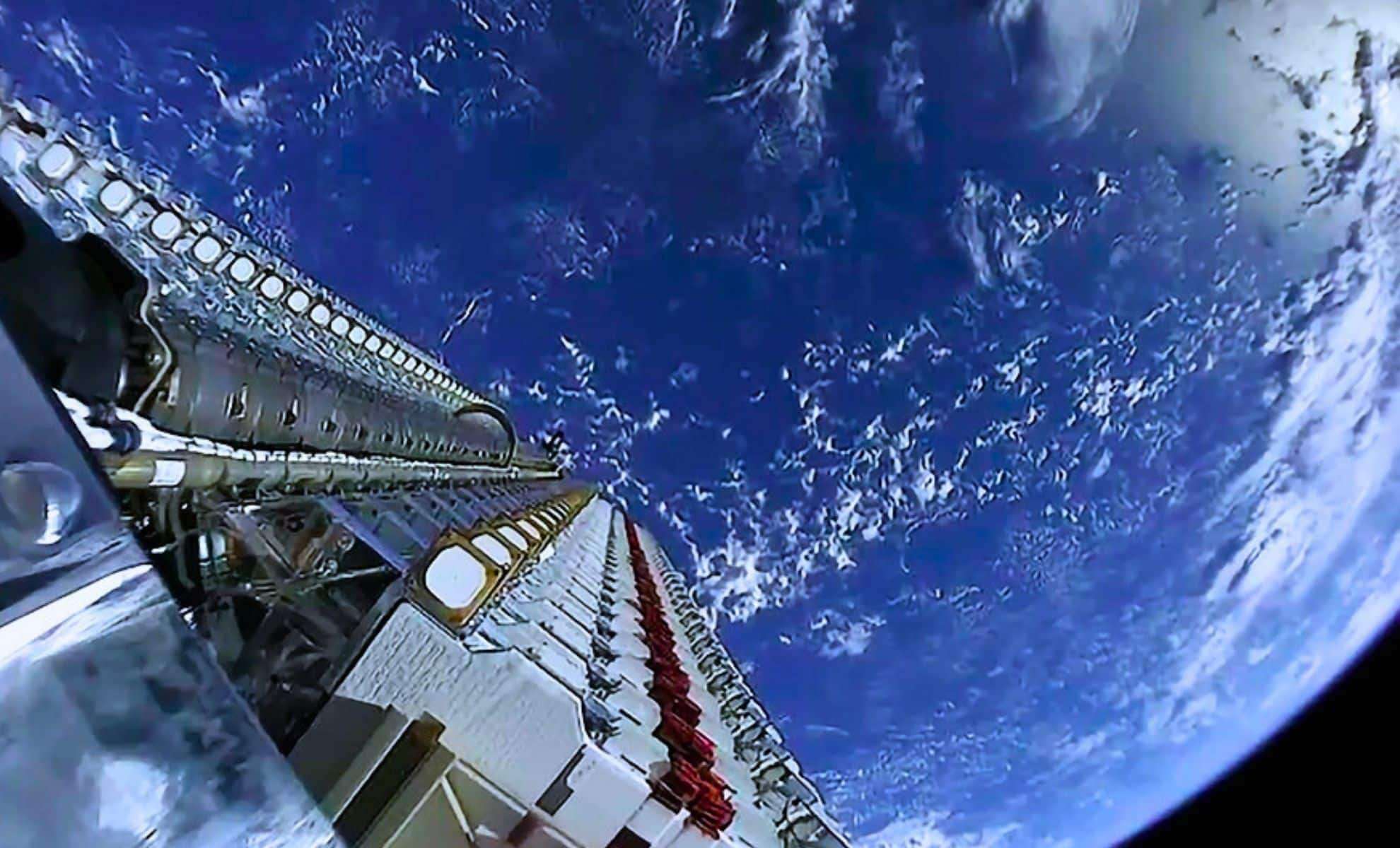
Elon Musk, the mastermind behind SpaceX and its innovative Starlink satellite system, is innovating once more with a focus on humanitarian aid. SpaceX has unveiled an ambitious plan to offer complimentary emergency communication services via its Starlink Direct-to-Cell program. This development has the potential to revolutionize global connectivity, providing critical communication access to the most isolated and disaster-affected regions.
Starlink has already made significant advances by bringing fast internet to underserved areas, including conflict zones and remote towns. Now, with the rollout of Direct-to-Cell technology, Musk’s vision is to eradicate “dead zones” by enabling 4G service for any smartphone worldwide. Most importantly, emergency calls and texts will be completely free, no matter the device or subscription. This initiative is not only technological innovation—it could save lives.
How Starlink Direct-to-Cell Closes the Connectivity Divide
Starlink’s current satellite infrastructure already serves more than 2.3 million users in upwards of 70 nations. However, the new Direct-to-Cell system takes this technology to the next level. By utilizing low Earth orbit satellites, SpaceX is constructing a 4G network that directly connects with conventional smartphones, eliminating the need for special hardware.

The service will be introduced in stages: initially supporting text messaging in 2024, followed by voice call capabilities in 2025. This gradual rollout ensures that vital communication via texting will soon be accessible to those in critical need. With satellites already launching, this service plans to reach the most secluded regions — from isolated highlands to zones hit by disasters.
This advancement tackles a vital weakness in worldwide communication networks. Musk highlighted, “Starlink Direct-to-Cell will ensure that no one is ever truly cut off from the world.”
A Breakthrough for Crisis Communication: Complimentary Emergency Access
The most notable feature of this announcement is the provision of free emergency calls and messages. In urgent situations, having the ability to reach help instantly can be critical. This service will significantly impact hikers, adventurers, communities affected by emergencies, and travelers in isolated areas who might otherwise lack reliable contact options.
Natural disasters often demolish traditional communications, leaving many cut off. Starlink’s satellites can re-establish connections within hours, offering a crucial lifeline in times of need. Travelers in remote or hard-to-reach locations—whether on a secluded island or deep in the desert—will benefit from uninterrupted connectivity.
“This is about using technology to serve humanity in its most vulnerable moments,” Musk said recently. The project highlights SpaceX’s dedication to deploying its technology for global humanitarian benefit, alongside managing the financial realities of running a cutting-edge satellite network.
Balancing Innovation with Economic Challenges
Although the humanitarian advantages of free emergency services are clear, questions remain regarding the financial viability of the initiative. Starlink’s current internet plan is priced around €40 monthly, and details on Direct-to-Cell’s broader pricing are still pending.
Some important considerations involve:
- Deployment Costs: Crafting and launching satellites demands substantial investment, with each Starlink unit costing millions.
- Operating Expenses: Sustaining a worldwide satellite network requires hefty ongoing infrastructure and technological upkeep.
- Revenue Generation: Although emergency services are provided free, SpaceX will need to monetize other Direct-to-Cell features to cover costs.
Despite these financial hurdles, Musk’s choice to emphasize humanitarian benefits over immediate profit is a courageous and admirable one. It showcases the power of innovation to close critical global infrastructure gaps, even amid economic obstacles.
Connecting the Future: Toward a Safer, More Accessible World
This announcement by Elon Musk represents more than just a technical feat—it embodies the profound impact of innovation. Providing free emergency communication could save lives and offer a protective network to vulnerable populations worldwide.
With the first satellites for Direct-to-Cell services already in orbit, anticipation is high for the full launch of this revolutionary technology. While challenges persist, one thing stands out: Starlink is set to become a vital source of connectivity for those most in need, showing that technology can be a force for good in even the most critical moments. Musk concluded, “This is just the beginning. We’re not just connecting the world—we’re making it safer, one satellite at a time.”













0 comments
Sign in to Comment