
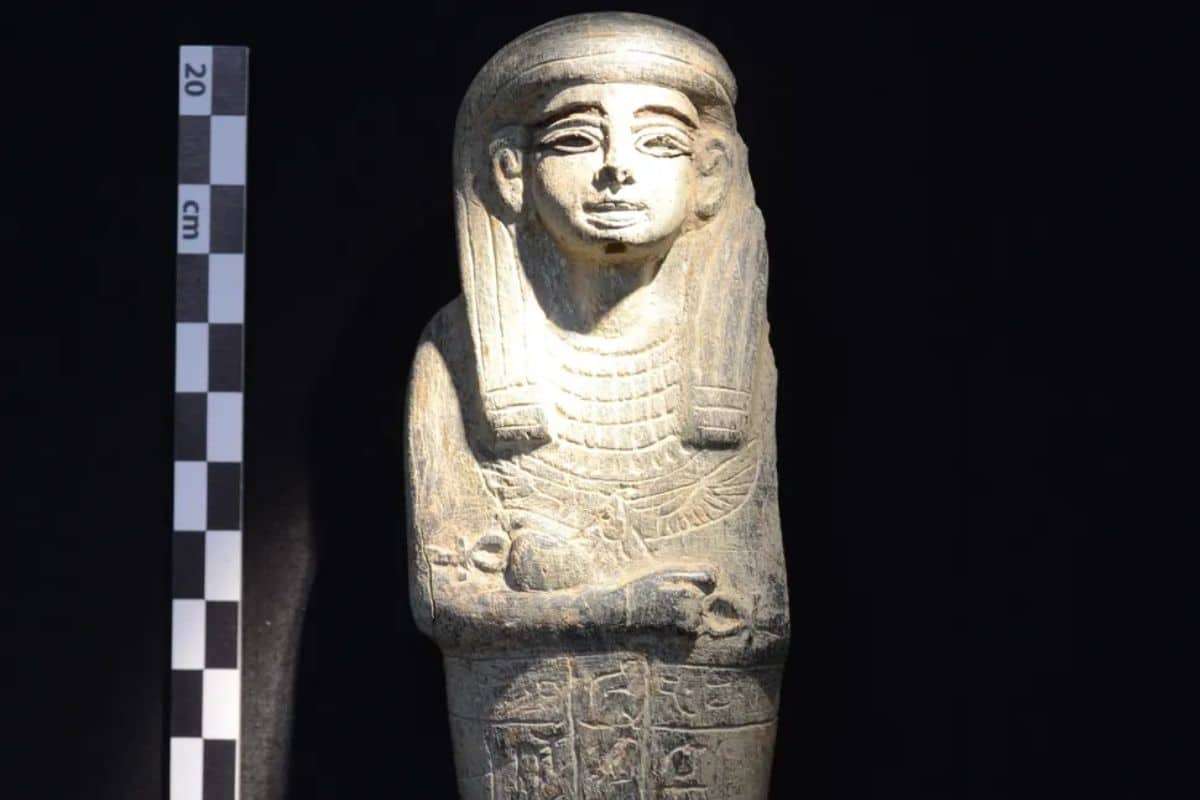
Recent excavations at the Tombos site in Sudan have overturned previous assumptions about the occupants of ancient Egyptian pyramids. Rather than being exclusive to elite individuals, these grand structures might have also housed the remains of laborers.
Rethinking Who Was Entombed in Pyramids
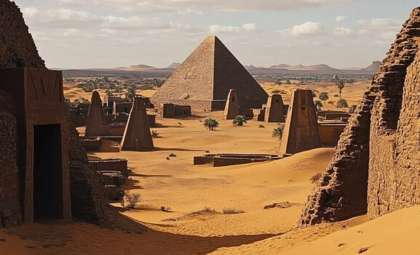
The iconic pyramids in Egypt and Sudan have traditionally been linked solely to royalty and the upper classes, with monuments like those at Giza and Saqqara identified as resting places for pharaohs and their high officials.
Yet, studies conducted at Tombos, an ancient Egyptian settlement dating back to approximately 1400 BCE, point to a broader inclusion. According to the archaeologists’ paper featured in the Journal of Anthropological Archaeology, “Our evidence suggests that pyramid burials were not limited to the elite but may also encompass lower-status, hard-working individuals.”
The team examined about 110 skeletal remains found at the location, focusing on muscle and ligament attachment sites. The study states, “Stronger points of attachment indicate greater and more intensive use of associated muscles and ligaments.”

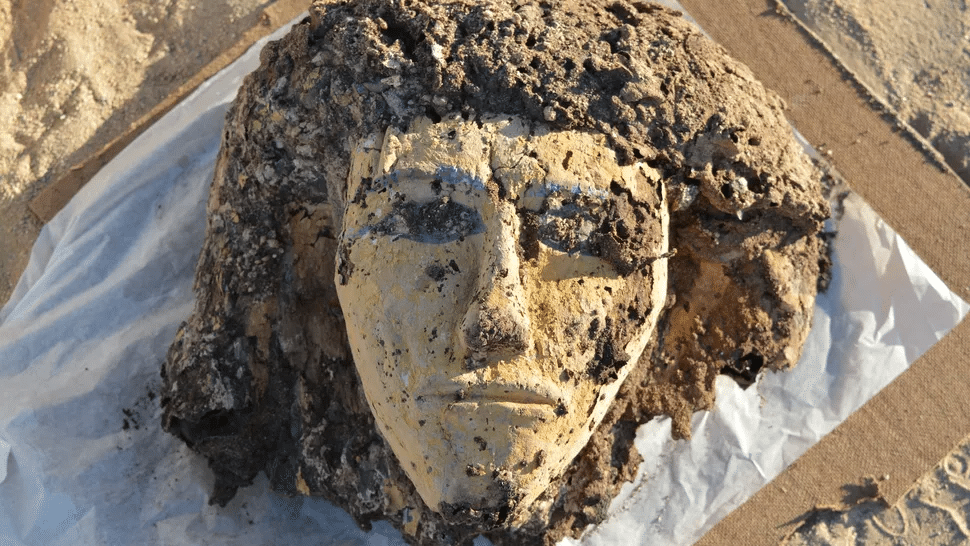
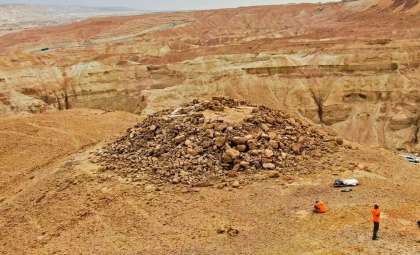
Image credit: Photo courtesy of the Tombos Archaeological Project
Shared Tombs for Workers and Nobles
Results from the research showed that several pyramid tombs at Tombos contained remains exhibiting pronounced enthesial changes. “It’s no longer accurate to assume only elites inhabited stunning pyramid tombs. In fact, the most labor-intensive members of these communities are linked with the most prominent burial sites,” the authors noted.
Sarah Schrader, lead author and archaeology associate professor at Leiden University, remarked, “Elite groups may have promoted this burial pattern to strengthen visible social hierarchies.”
What This Means for Understanding Social Structures
Co-author Stuart Tyson Smith, a professor at University of California, Santa Barbara, proposed that elites might have intentionally incorporated non-elite individuals in their burial sites.
“Our thinking is that elites surrounded themselves with the non-elites who worked in some capacity for them, effectively replicating the social order with burials in and around their funerary monuments,” Smith explained.
This suggests the social fabric of ancient Egypt was more intricate, with community members from different strata intertwined even in death.
Scholars Debate the Implications
The publication has sparked differing opinions among Egyptology experts. Julia Budka, a professor specializing in Egyptian archaeology, lauded the study for its potential influence on the interpretation of archaeological findings.
“All in all, this is a great study that will have an impact on future interpretations of new and old excavations and data,”she said.
Conversely, Egyptology professor Aidan Dodson urged caution, especially regarding Tombos as a colonial site. “The elite were often trained in military and physical disciplines,” he observed.
- Categories:
- Science




0 comments
Sign in to Comment