
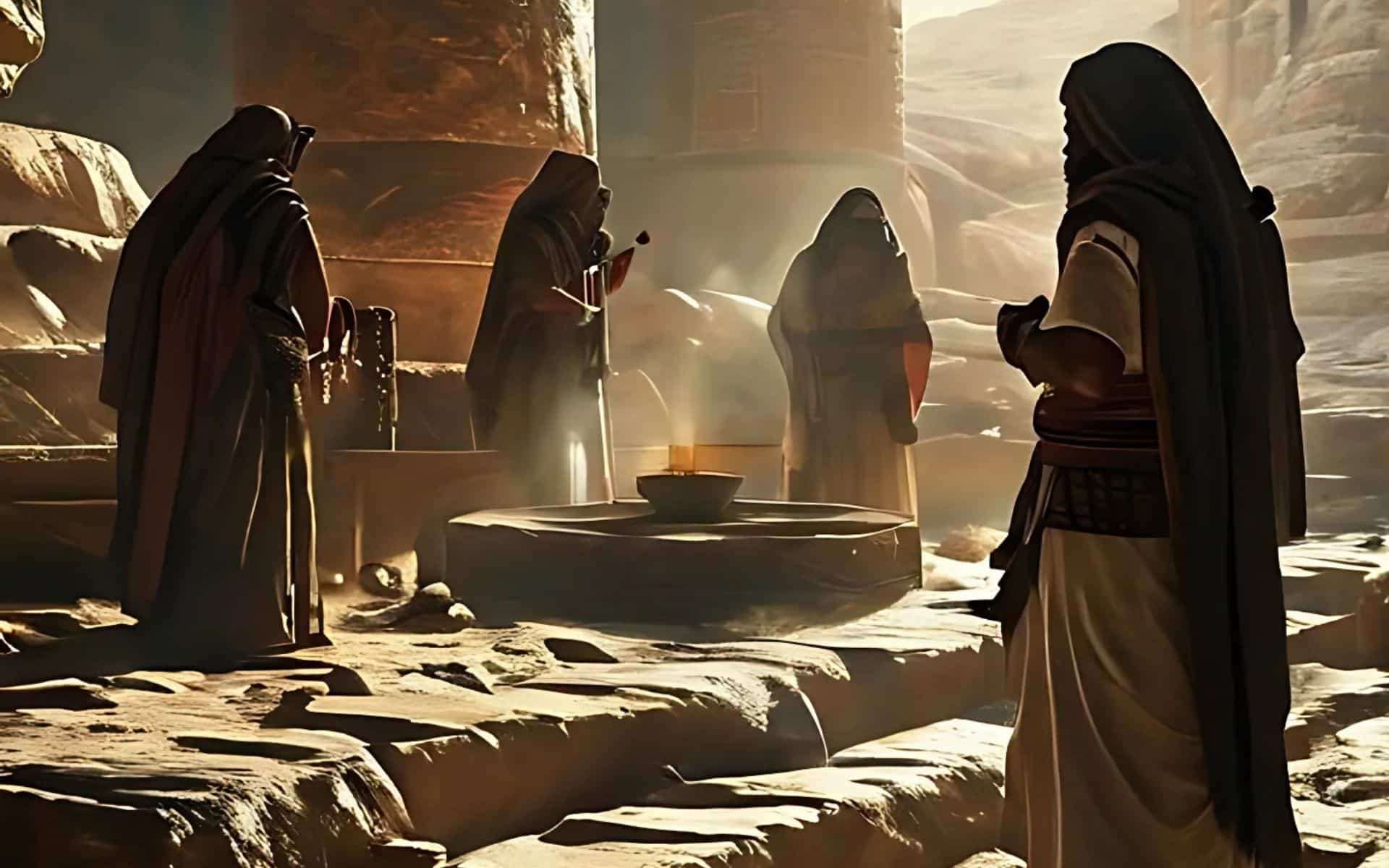
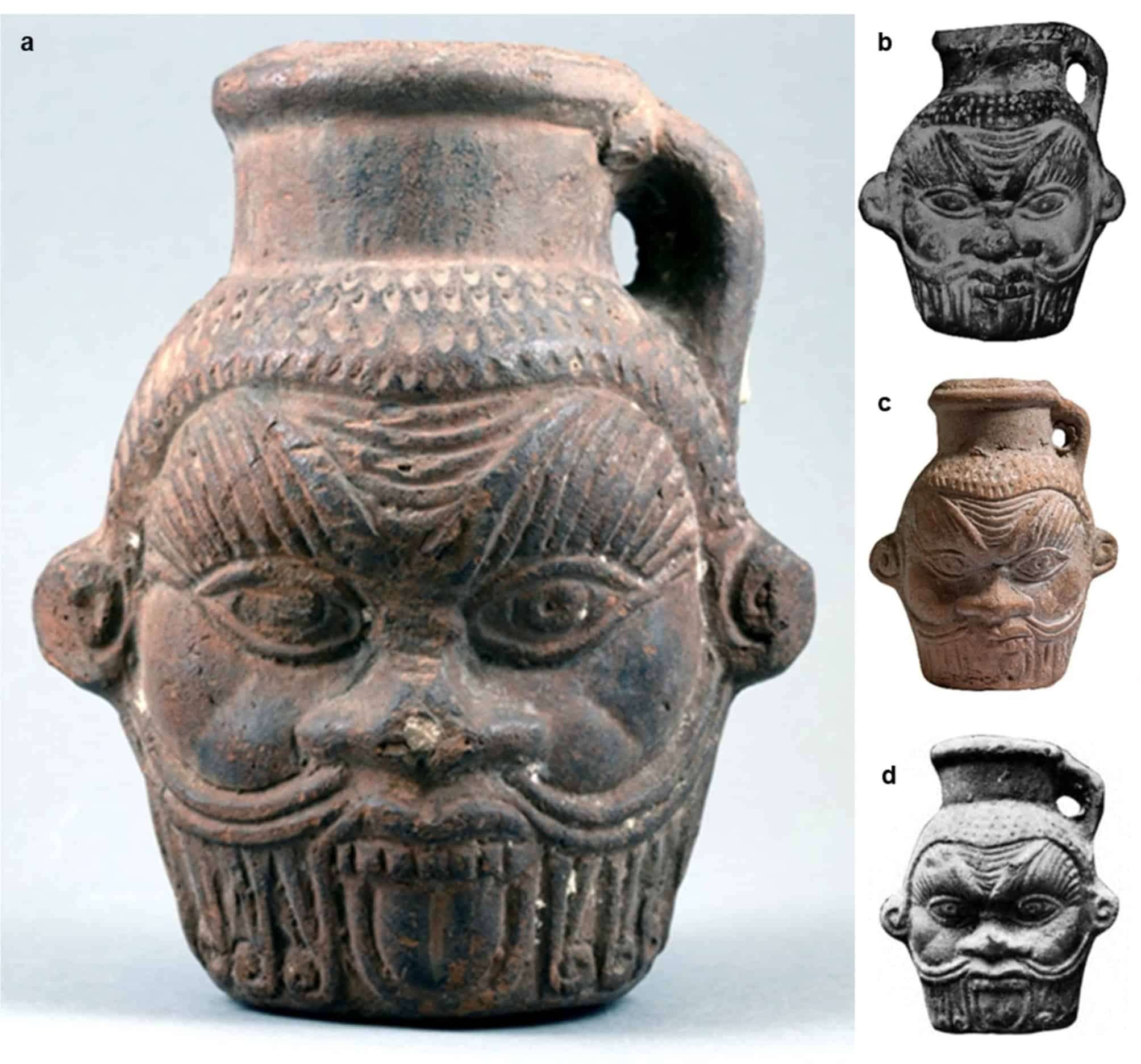
Scientists have uncovered compelling evidence that ancient Egyptians consumed a hallucinogenic beverage containing traces of human blood. Found in a 2,200-year-old vessel adorned with imagery of the mysterious deity Bès, this discovery challenges long-standing views of Egyptian ceremonial practices.
The Enigmatic Potion Featuring Human Blood
This ornate vessel, excavated from a tomb dating back to the Ptolemaic-Roman era, contained a psychedelic blend of psychoactive plants such as Peganum harmala and Nymphaea caerulea, combined with ingredients like sesame seeds, raisins, and licorice. Remarkably, laboratory analyses detected residues of both human blood and saliva within the cup.
The presence of these biological markers suggests that the concoction had both medicinal and ritualistic functions. The drink likely played a role in sacred ceremonies that aimed to establish a symbolic connection between participants and the protective, fertility-linked god Bès.

Advanced methods, including DNA extraction and infrared spectroscopy, enabled scientists to identify these organic traces. The findings imply the beverage was used in rituals for divination or to invoke divine safeguarding.
Bès: Guardian Deity and Spiritual Mediator
The association of this vessel with Bès, a dwarf god revered for protection and fertility, indicates the hallucinogenic drink was integral to religious rituals. Consumption of the potion was believed to grant access to visions and prophetic insights.
Participants sought divine instruction or safeguarding through these ceremonies. Thus, the brew functioned as a conduit for spiritual experiences aligning worshippers with otherworldly forces.
In mythology, Bès was especially venerated for shielding women during childbirth, hinting that this ritualistic drink may have been employed by expectant mothers to ensure fertility and a safe delivery, as well as for spiritual healing purposes.
The Solar Eye Myth and the Sacred Potion
This finding connects intimately with the myth of the solar eye, where the goddess Hathor’s wrath threatens cosmic order. Legend tells of Bès calming Hathor with a special blood-like drink. The hallucinogenic nature of this mixture likely facilitated communication with deities and control over spiritual and natural realms.
Thus, the beverage was more than a hallucinogen; it played a crucial part in mythic narratives aimed at restoring universal balance.
Insights into Egyptian Magic, Medicine, and Spirituality
This remarkable discovery sheds light on the interplay between mysticism, healing, and religious tradition in ancient Egypt. Far beyond medicinal use, this elixir held profound ritual significance, enabling a dynamic engagement with gods and cosmic forces.
The evidence emphasizes how spirituality and magic were embedded within daily practices, blurring boundaries between ritual and reality. Hallucinogenic rites were essential pathways for seeking prophecy, protection, and spiritual revelation.
Source: Scientific Reports











0 comments
Sign in to Comment