
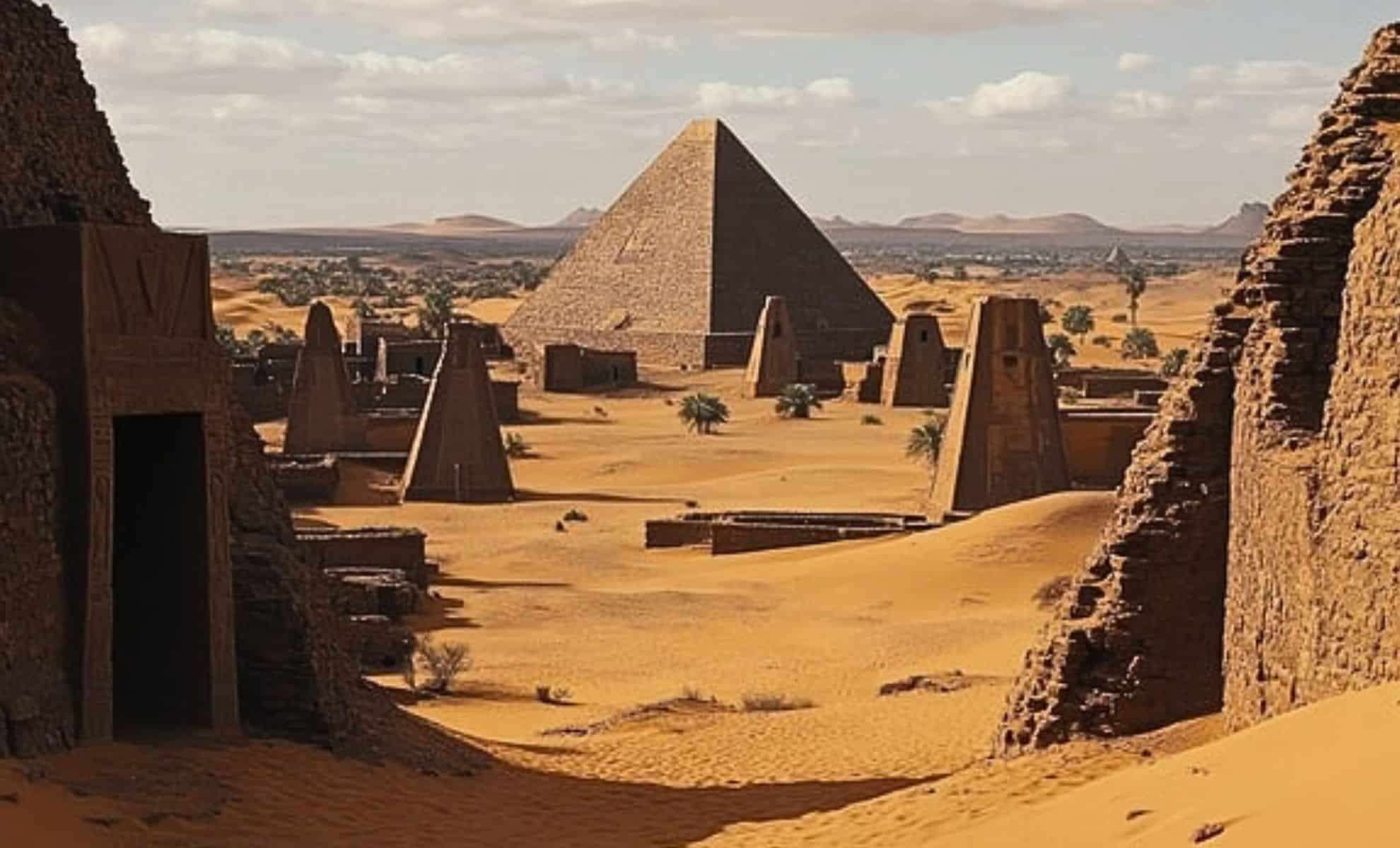
Archaeologists working in Tombos, located in Sudan, have uncovered findings that transform our comprehension of burial customs beneath the pyramids in Ancient Egypt. Leading this investigation, Sarah Schrader from Leiden University has unearthed evidence that questions the assumption that pyramid burials were reserved solely for high-ranking members of society.
Challenging Established Views With the Tombos Findings
Traditional Egyptological theories have held that pyramids primarily functioned as mausoleums for monarchs and wealthy elites. However, research recently published in the Journal of Anthropological Archaeology based on discoveries at Tombos in Sudan has contested this notion.
Evidence now points to pyramids serving as final resting places not only for rulers but also for individuals of lower social rank, including laborers. The region of Nubia, encompassing Tombos, was governed by the Egyptians following conquest by Pharaoh Thutmose I around 1500 BC, a period lasting nearly four centuries.

What Was Discovered at Tombos?
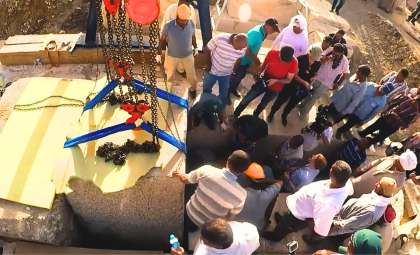
After more than ten years of excavation, Schrader’s team revealed a wide range of human skeletal remains within the pyramids at Tombos. The physical evidence demonstrated a variety of lifestyles, from less active individuals to those who showed biological markers indicative of intense physical labor.
Such findings contradict the belief that pyramid interments were exclusive to the affluent elite, revealing that working-class people may also have been buried in these sacred structures.
Reevaluating Who Was Entombed in Pyramids
The Tombos discoveries have driven a rethink in the archaeological community about who was eligible for pyramid burials. Initially, Schrader and colleagues found the results surprising, as the pyramids had been regarded as resting places unique to the privileged.
But analyzing the remains exposed signs that some of the pyramid occupants endured strenuous work, suggesting a more diverse social background incorporating builders and laborers.
Schrader now proposes that the established perspective excluding lower-status groups from pyramid burial might have overlooked crucial evidence regarding workers’ roles.
The Importance of Laborers in Pyramid Construction and Burial
New data from Tombos provide insights into the participation of laborers in pyramid construction and their inclusion in burial customs. The skeletal evidence reflects mixed social backgrounds, with some skeletons bearing marks of hard physical toil while others indicate less physically demanding lives. Schrader disputes the assumption that pyramid burials were solely for the elite.
Though it could be argued that high-activity remains belonged to nobles engaged in active pursuits, Schrader considers this improbable since the activity patterns typical of elites differ significantly from those of laborers. This suggests that hard laborers, rather than elites, made up many of the interred high-activity individuals.
The Transition From Pyramid Burials to Rock-Cut Tombs
Changes in burial traditions during Ancient Egypt’s development are also illuminated by these findings. By the time Egyptian powers controlled Tombos, the elite had moved away from pyramid tombs toward rock-cut burial sites, signaling an important evolution in royal internment.
This transformation eventually gave rise to the Valley of the Kings, where pharaohs like Tutankhamun were entombed. Once a significant settlement in ancient Nubia, Tombos now offers vital clues to interactions between Ancient Egypt and its neighbors.
The discovery provides valuable new perspectives on the period’s social stratification, revealing a more intricate and interconnected society than previously envisioned. It highlights the shared burial practices of both elite and working classes, challenging prior assumptions about status distinctions.
- Categories:
- Science




0 comments
Sign in to Comment