
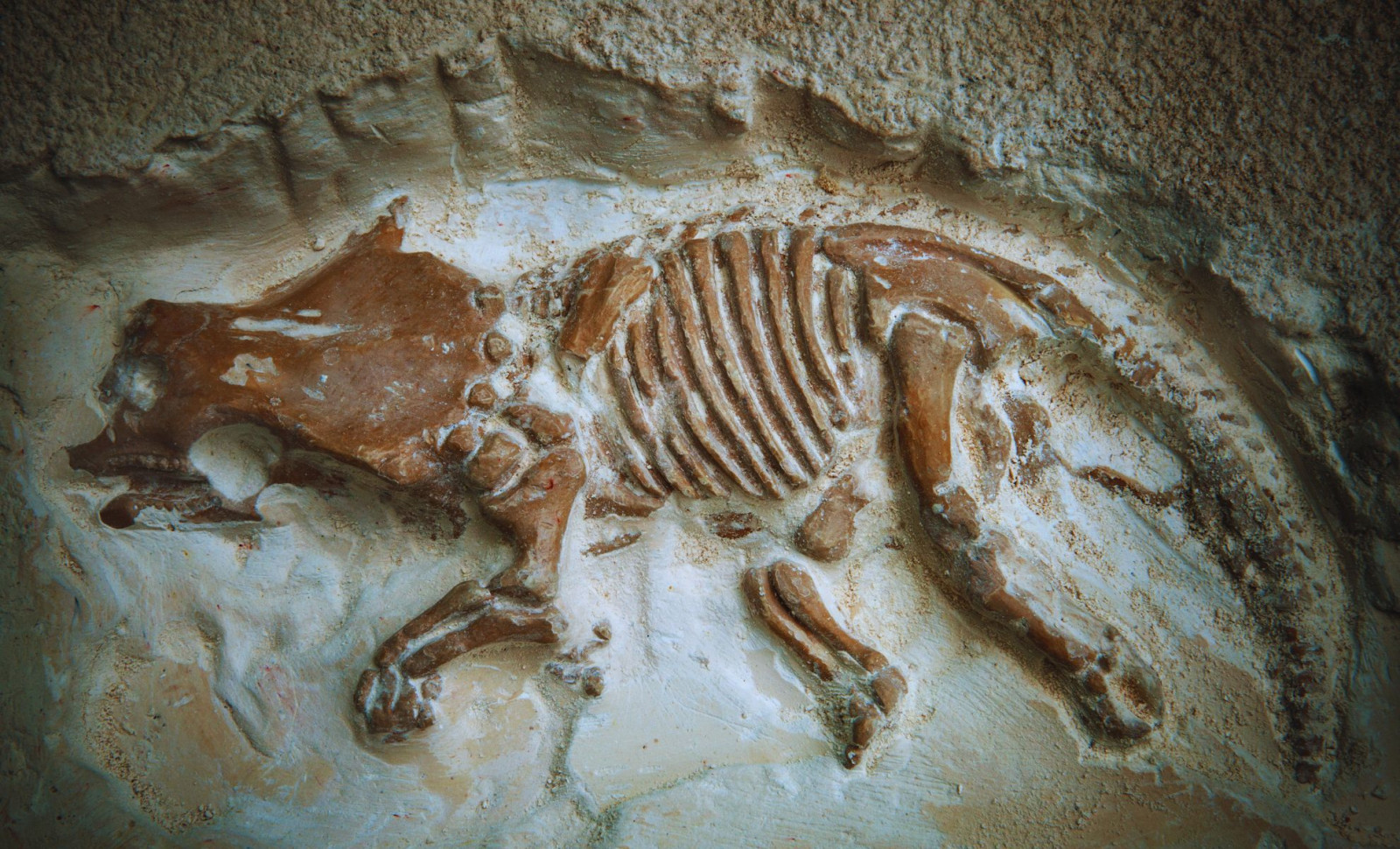
For more than 20 years, paleontologists were baffled by a collection of exceptionally small dinosaur fossils. Once believed to represent a miniature species, recent findings now reveal these remains are from infant ankylosaurs, some possibly just emerged from eggs.
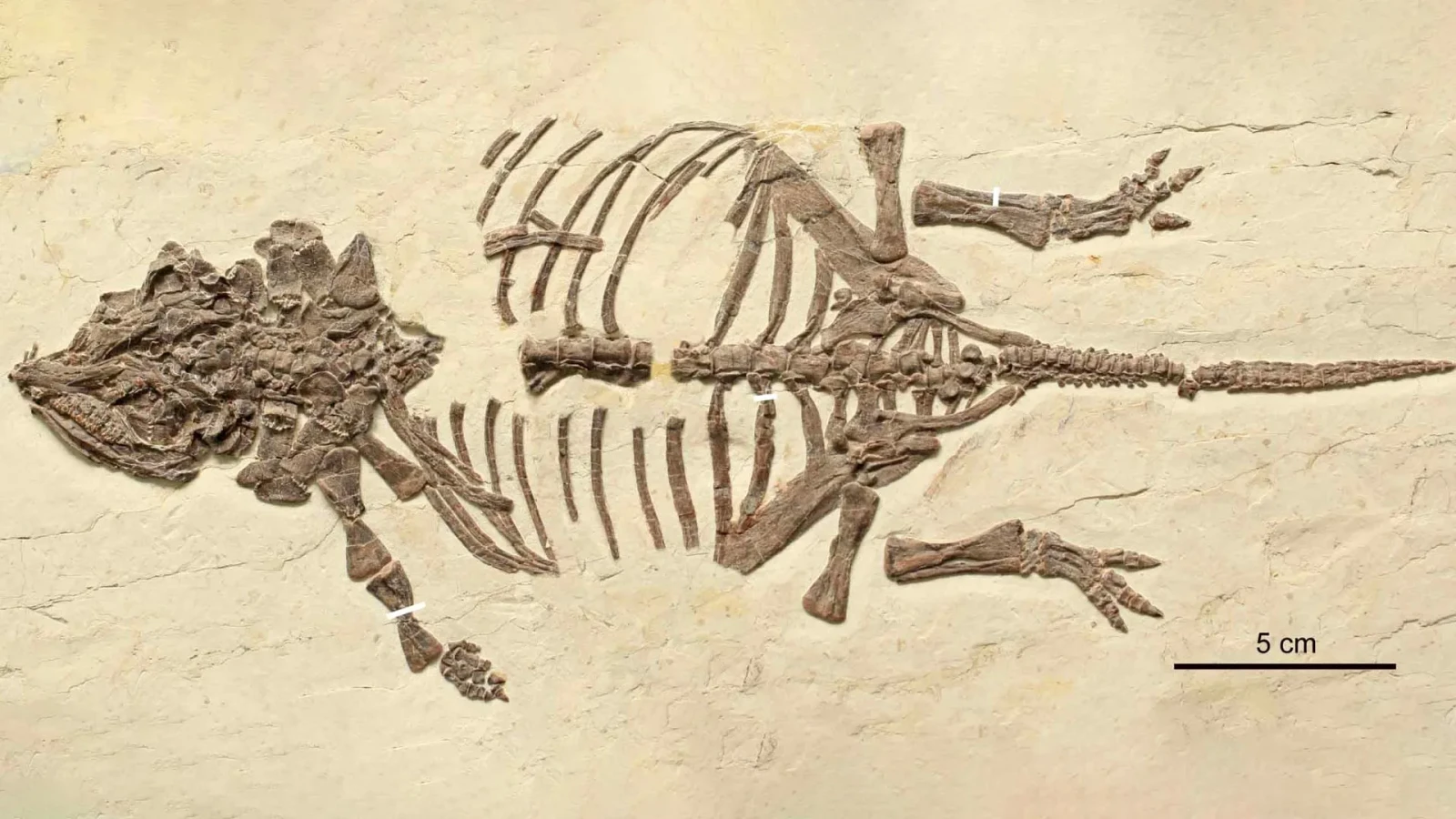
Unearthed in 2001, these fossils measured approximately 40 centimeters in length. Given that mature ankylosaurs can exceed three meters, the diminutive size raised many questions. Some experts speculated these might belong to a rare dwarf species or even semi-aquatic dinosaurs. After detailed bone analysis, however, researchers have reached a different conclusion.
The Mystery Dinosaur Challenging Assumptions
The fossils in question are attributed to Liaoningosaurus paradoxus, a species that has puzzled scientists for years. Their small size led some to interpret them as a distinct dwarf species.

These specimens were excavated in northeastern China, a site renowned for its exquisitely preserved Cretaceous-era fossils. The latest study, published in the Journal of Vertebrate Paleontology, offers new evidence that these fossils belong to juvenile ankylosaurs rather than small adults.
“Liaoningosaurus has caused a lot of debate because there is a lot we don’t know about this species and we haven’t managed to identify an adult,” said Professor Paul Barrett, the co-author of the study. “But our research confirms that these are baby dinosaurs rather than small adults. Fossils of young ankylosaurs are rare, so there is a lot that these remains can tell us about the early development of armored dinosaurs.”
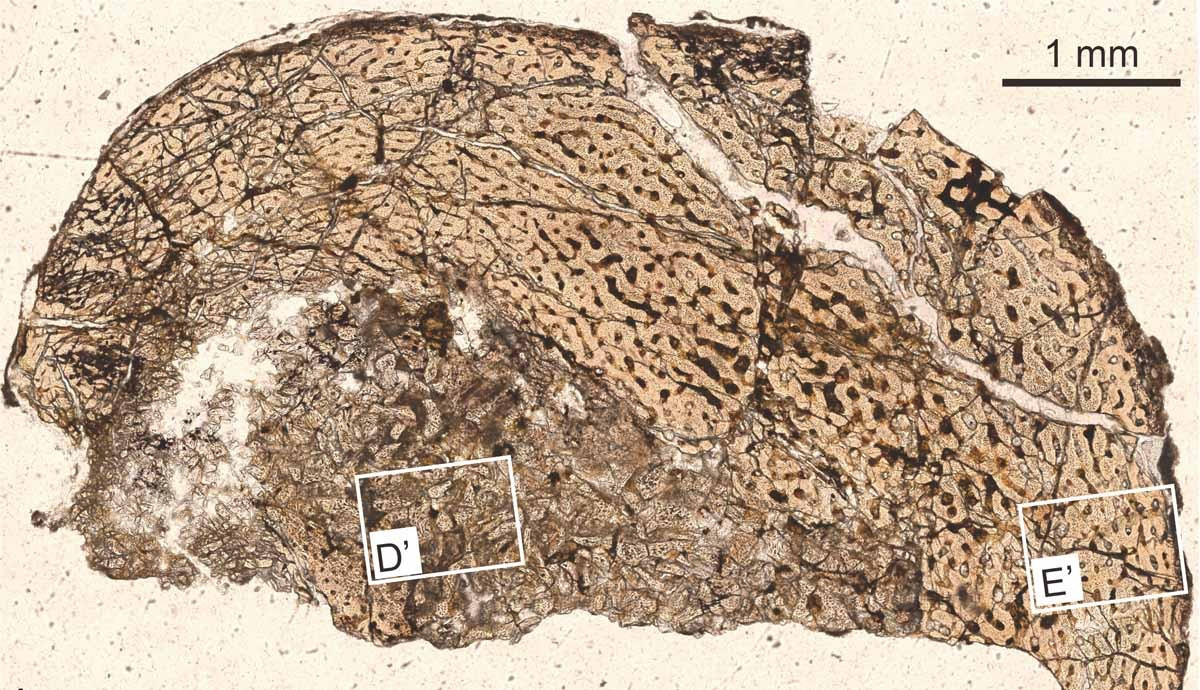
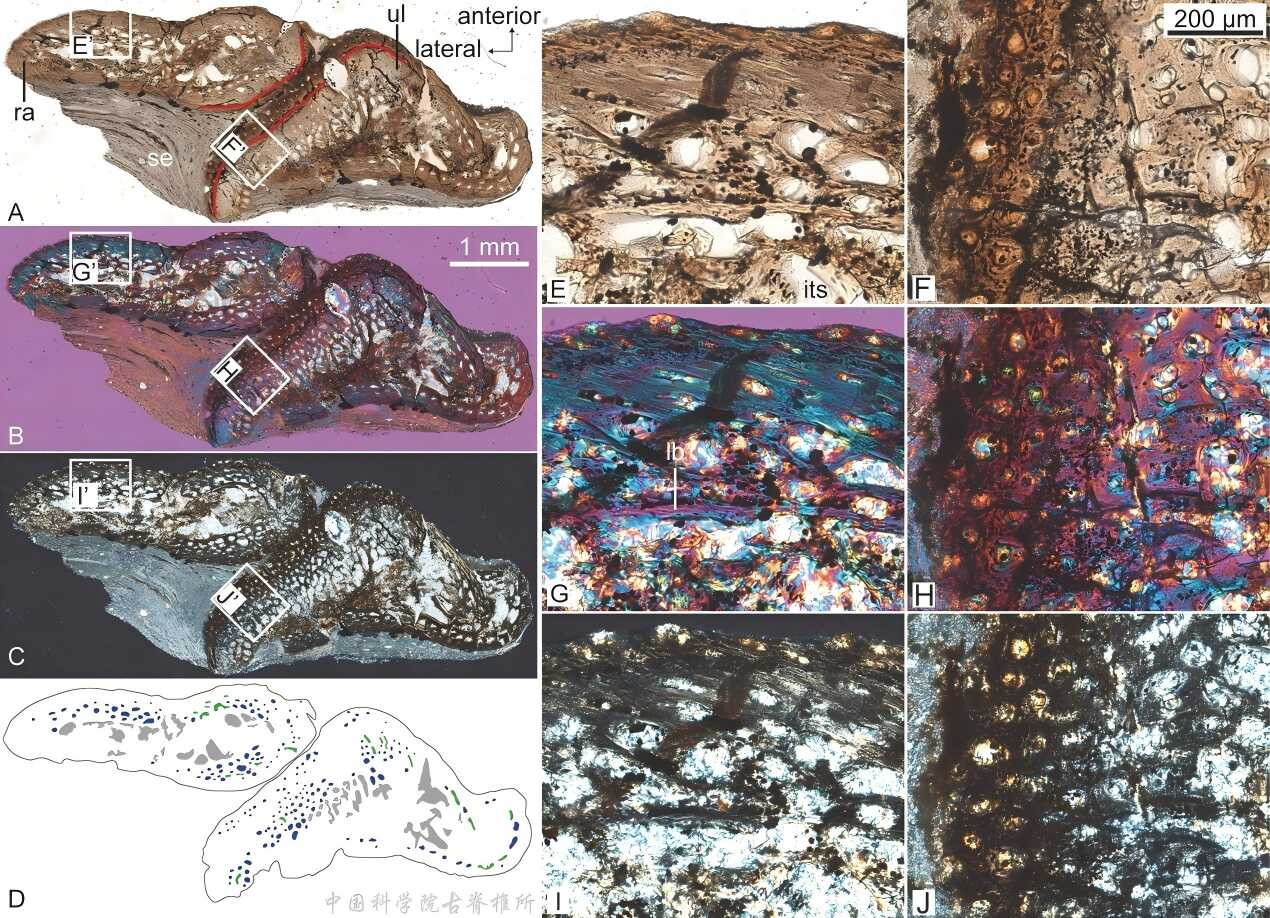
Crucial to solving the puzzle was examining the bone composition of two specimens—one of the smallest and one considerably larger. The lack of growth rings indicated these individuals were under a year old, with one showing evidence of being a recent hatchling.
“The smaller fossil showed characteristics that we can see in other newborn dinosaurs, such as the presence of a hatching line,” explained Professor Barrett in a statement from the Natural History Museum.
Did Young Ankylosaurs Possess Armor?
Understanding juvenile ankylosaur growth is crucial, as such fossils are exceptionally scarce. Most young ankylosaur specimens previously found lacked the characteristic protective armor typical of adults, leading scientists to believe this feature developed later in life.
“As we have found so few fossil babies, Liaoningosaurus is really the only good window we have into what ankylosaurs are like just after they hatch.” Professor Barrett added that: “The Liaoningosaurus fossils had already developed some armor. Now that we know they are babies and not miniature adults, we can say that these kinds of features came in quite early during the animal’s growth.”
Researchers are now eager to find adult specimens of Liaoningosaurus to better understand how their armor evolved from infancy to maturity.
Liaoning Province: A Fossil-Rich Region
The fossils originated from China's Liaoning Province, celebrated for its extraordinary preservation of Cretaceous fossils. Volcanic activity in the area helped fossilize intricate details, including soft tissues and delicate bone features.
This region has supplied paleontologists with iconic dinosaur fossils, such as Microraptor and Sinornithosaurus, making it a major resource for studying ancient life.
With the potential for more discoveries, scientists anticipate expanding knowledge about ankylosaur development, particularly concerning their famed armor.
- Categories:
- Science


0 comments
Sign in to Comment