
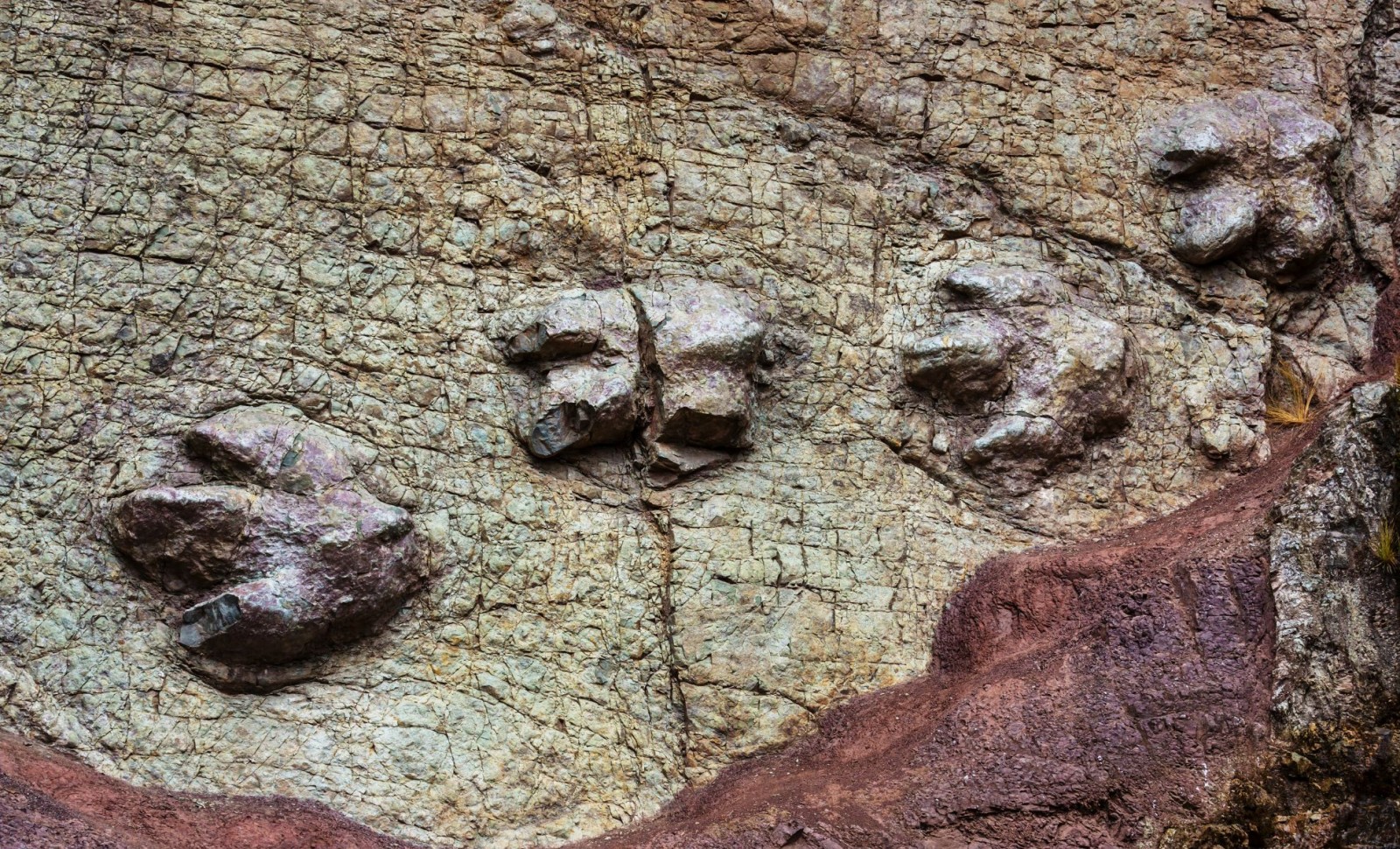
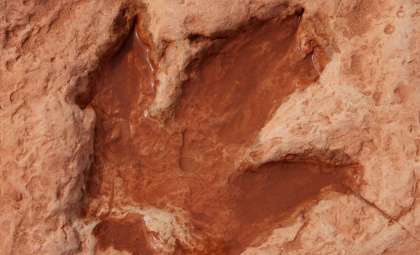
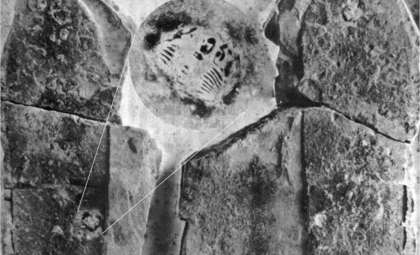
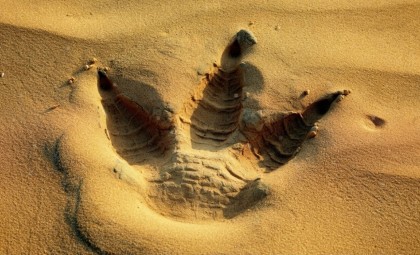
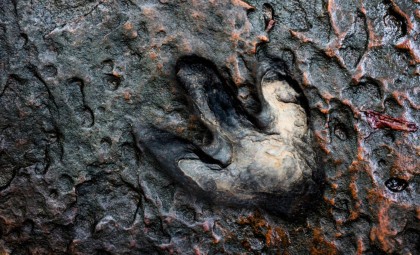
A remarkable 110-million-year-old fossil footprint uncovered in China offers fresh insight into the early life of stegosaurs. Measuring just 5.7 cm, this tiny imprint belongs to a juvenile stegosaur roughly the size of a house cat, revealing that its walking style may have differed greatly from that of adult stegosaurs.
The diminutive track, identified as the smallest stegosaur print ever documented, was discovered by a research team led by Associate Professor Lida Xing of the China University of Geosciences. While mature stegosaurs could grow as long as 9 meters (30 feet), this find highlights how the species started life in a surprisingly compact form.
A Small But Significant Discovery
According to a study published in Palaios, the tiny footprint was found amidst much larger tracks from adult stegosaurs, featuring sizes up to 30 cm long. In this context, the 5.7 cm baby print appears minuscule.

Interestingly, stegosaur footprints found in regions like Western Australia can reach up to 80 cm, making this juvenile mark notably small in comparison.
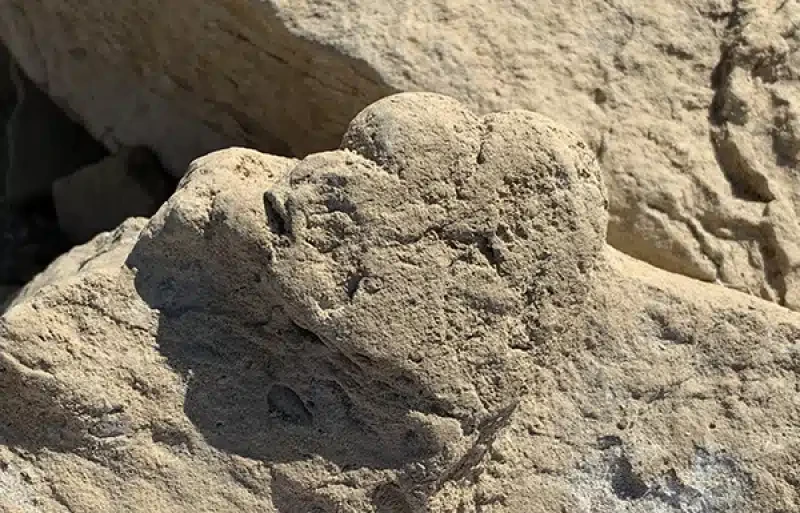
Researchers suggest this footprint sheds light on the distinct behaviors of young stegosaurs. Until now, fossil evidence of juvenile stegosaurs was scarce, so this imprint offers a rare perspective on their movement when newly hatched.
“A complete set of tracks of these tiny footprints would provide us with the answer to this question,” noted paleontologist Lida Xing from the China University of Geosciences, who found the print, “but unfortunately we only have a single footprint.”
Walking Lightly on Its Toes?
One of the most fascinating aspects of this fossil is the baby stegosaur’s manner of walking. Dr. Anthony Romilio of the University of Queensland explains:
“The tiny track shows that this dinosaur had been moving with its heel lifted off the ground, much like a bird or cat does today,” he said. “We’ve only previously seen shortened tracks like this when dinosaurs walked on two legs.”
This walking pattern contrasts markedly with adult stegosaur footprints, which indicate a heel-down, flat-footed gait. This difference suggests that younger stegosaurs might have been toe-walkers, transitioning to a fully flat-footed stance as they matured and gained weight.
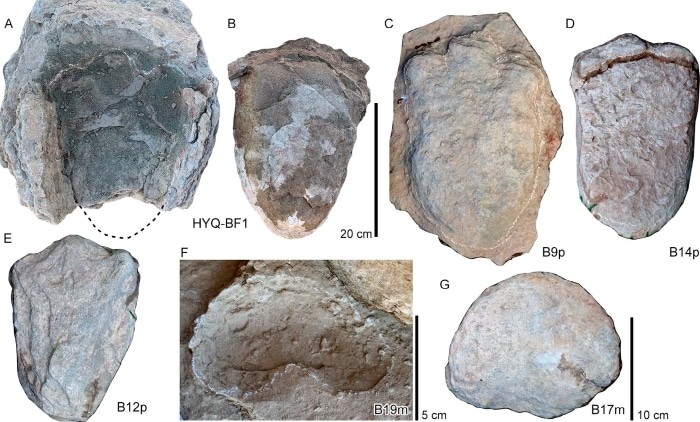
This new information challenges previous assumptions that stegosaurs walked the same way throughout their lives. As Dr. Romilio points out, “toe walking” has previously only been associated with bipedal dinosaurs, making this discovery particularly unexpected.
- Categories:
- Science







0 comments
Sign in to Comment