
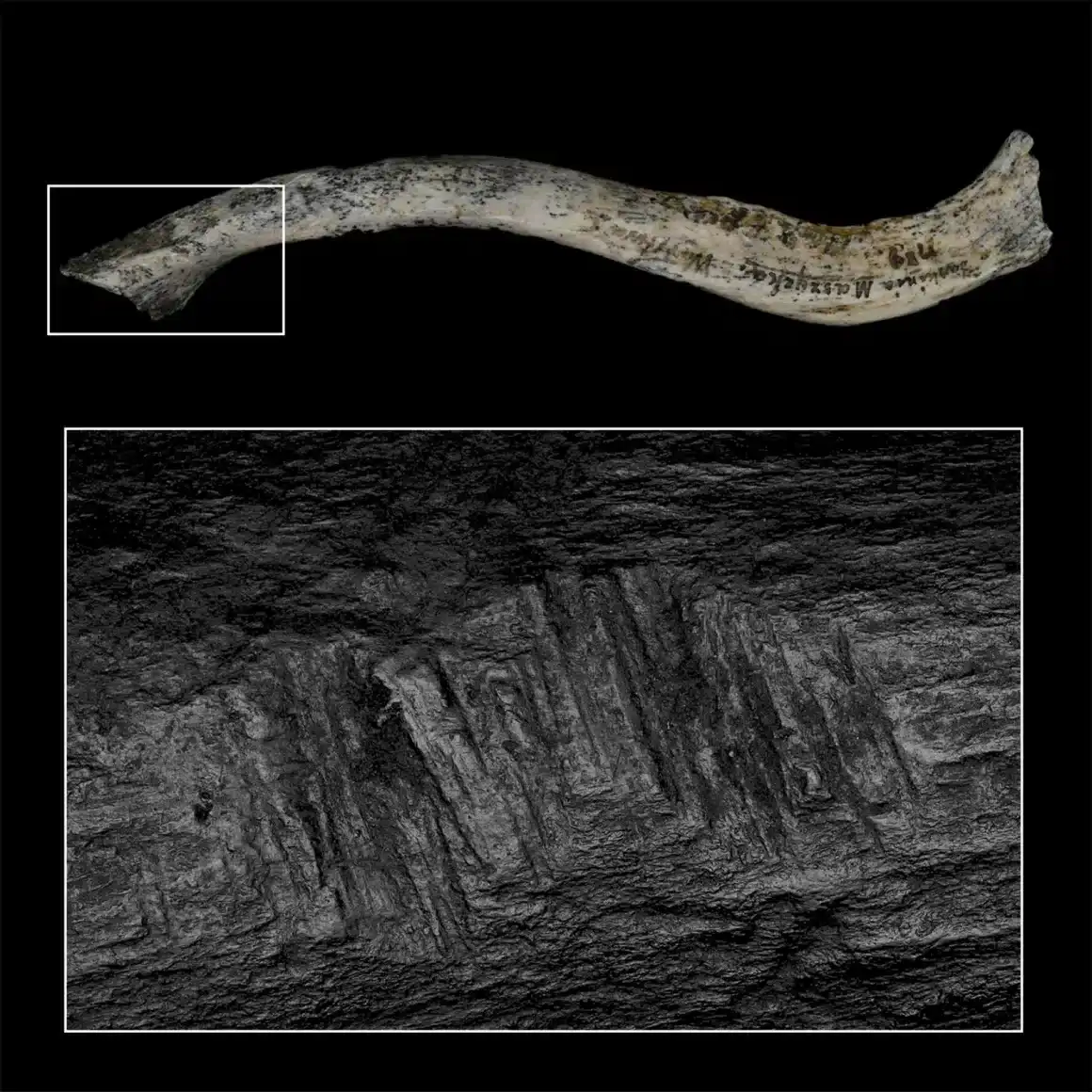
People from the Magdalenian culture, inhabiting Europe roughly between 11,000 and 17,000 years ago, might have practiced cannibalism linked to combat, recent findings indicate. Scientists uncovered specially marked bones revealing evidence that brains and marrow were extracted, likely following violent confrontations.
Harsh Clues Emerge From Ancient Cave Excavation
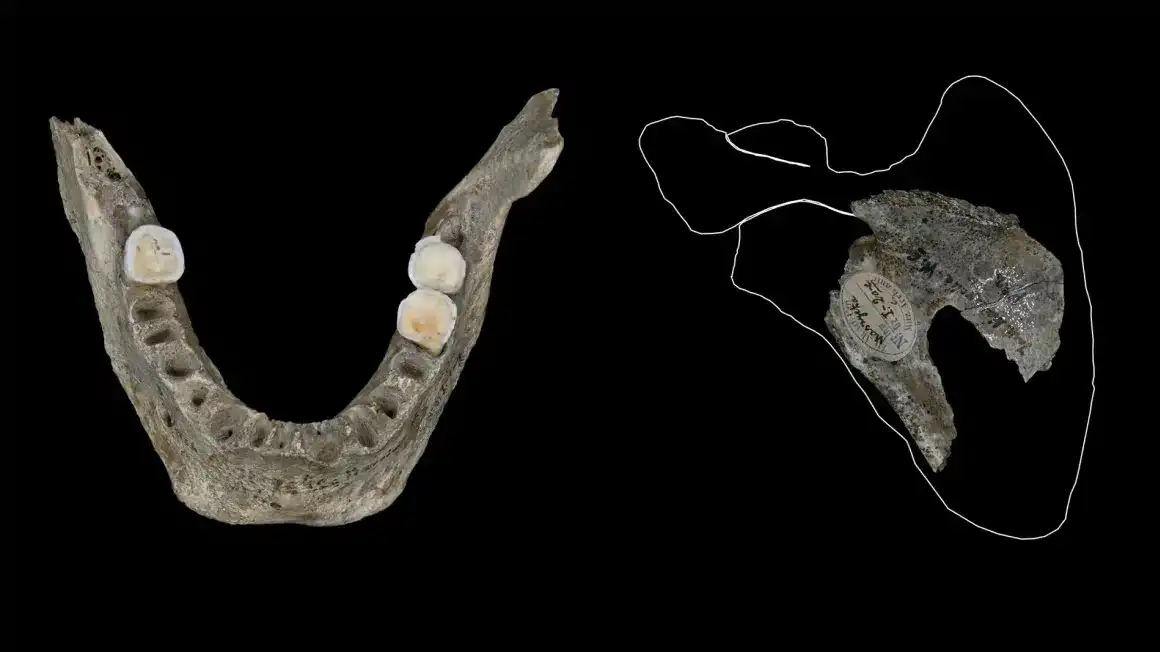
These insights come from exploring Maszycka Cave near Kraków, Poland, a longstanding archaeological site rich in ancient human remains. Examination of bones belonging to at least ten individuals, both young and adult, utilized electron microscopy to detect cut marks and breakage patterns. Researchers interpret these marks as remnants of butchery processes, suggesting removal and consumption of brain tissue and marrow.
In contrast to other related Magdalenian discoveries showing ritualistic alterations, such as crafted skull cups linked to ceremonial cannibalism, this study’s co-researcher Francesc Marginedas proposes that the evidence aligns more closely with wartime cannibalism rather than ritual practice.

Renewed Support for a Controversial Hypothesis
The notion that Magdalenian groups engaged in cannibalistic behaviors has persisted with debate for years. Initial suggestions from a 1990s investigation proposed cannibalism among cave occupants, but skepticism lingered due to the absence of distinct human bite marks on the remains.
The recent investigation contributes new evidence, revealing that 68% of analyzed bones exhibit unmistakable human modifications. Marginedas asserts these discoveries strengthen the argument that Magdalenian warriors may have incorporated the consumption of enemies into their post-conflict rituals.
Expert Opinions Remain Divided
Some specialists remain cautious about accepting the cannibalism claim. Bill Schutt, zoologist and author of Cannibalism: A Perfectly Natural History, praised the report as “very well-written” but urged careful interpretation.
“Alternate explanations exist regarding these ancient modifications,” Schutt noted, highlighting that some societies remove flesh from the dead as part of mortuary practices without necessarily consuming it. Without conclusive evidence of ingestion, it remains unclear if the Magdalenian peoples practiced combat cannibalism or had other motives behind the bone alterations.
Insights Into Early Human Conflict
Despite ongoing debate, this research offers valuable perspective on the harsh realities of Ice Age confrontations and the enigmatic cultural behaviors of prehistoric humans. Whether driven by survival needs, warlike customs, or symbolic rituals, the findings from Maszycka Cave challenge the notion of peaceful prehistoric European existence.
Further scientific efforts, including DNA analysis, may soon clarify these ancient cultural practices.
This article originally appeared in CNN USA.
- Categories:
- Science











0 comments
Sign in to Comment