
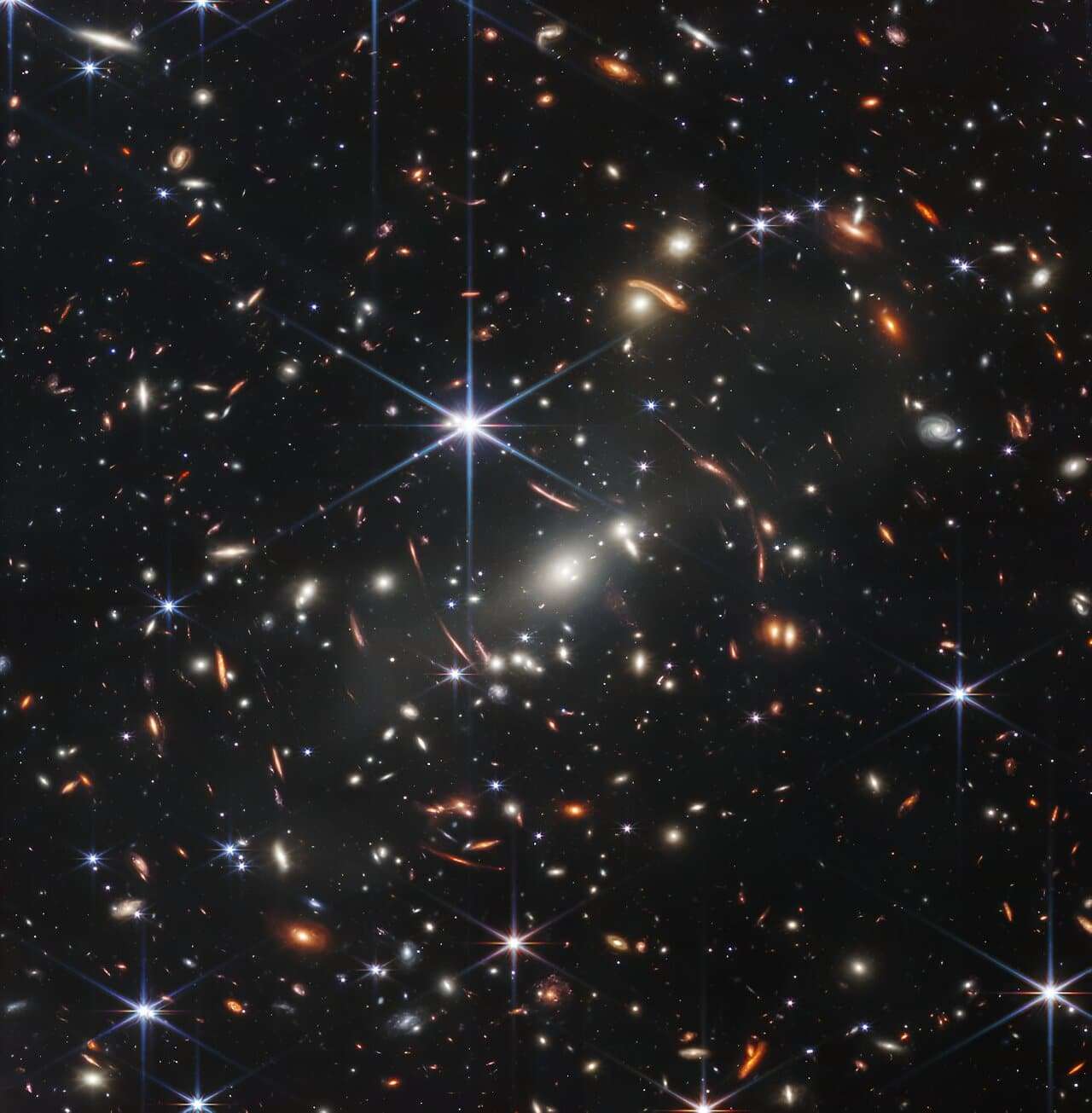
Astronomers leveraging the James Webb Space Telescope (JWST) have identified a strange collection of distant galaxies that challenge existing cosmic models.
These galaxies, nicknamed “Little Red Dots”, stand out because of their unusually small dimensions and vivid red hues. Their uncovering sheds light on the universe's infancy but also presents puzzling questions about galaxy formation and progression within the first billion years after the Big Bang.
Unveiling the “Little Red Dots”
The discovery emerged from JWST’s earliest captures—a cutting-edge NASA observatory engineered to probe the farthest cosmic realms. These diminutive galaxies have radii roughly 2% that of our Milky Way, ranking them among the tiniest found. Their deep red color results from their staggering distance, with the light reaching us today having traveled over billions of years from a universe less than a billion years old.

What amplifies their intrigue is uncertainty about what these objects really are. Astrophysicist Fabio Pacucci explains, “The Little Red Dots puzzle astronomers, because they look like different astrophysical objects. They’re either massively heavy galaxies or modestly sized ones, each containing a supermassive black hole at its core.” This conundrum is fueling ongoing research into their composition and the underlying causes of their characteristics.
Competing Theories: Crowded Stars or Giant Black Holes?
Two main theories have arisen to explain the nature of the Little Red Dots. One suggests these are ultra-dense galaxies, potentially harboring upwards of 100 billion stars within their tiny footprints. Such stellar concentration would represent some of the most compact star clusters ever observed, raising questions about their physical viability.
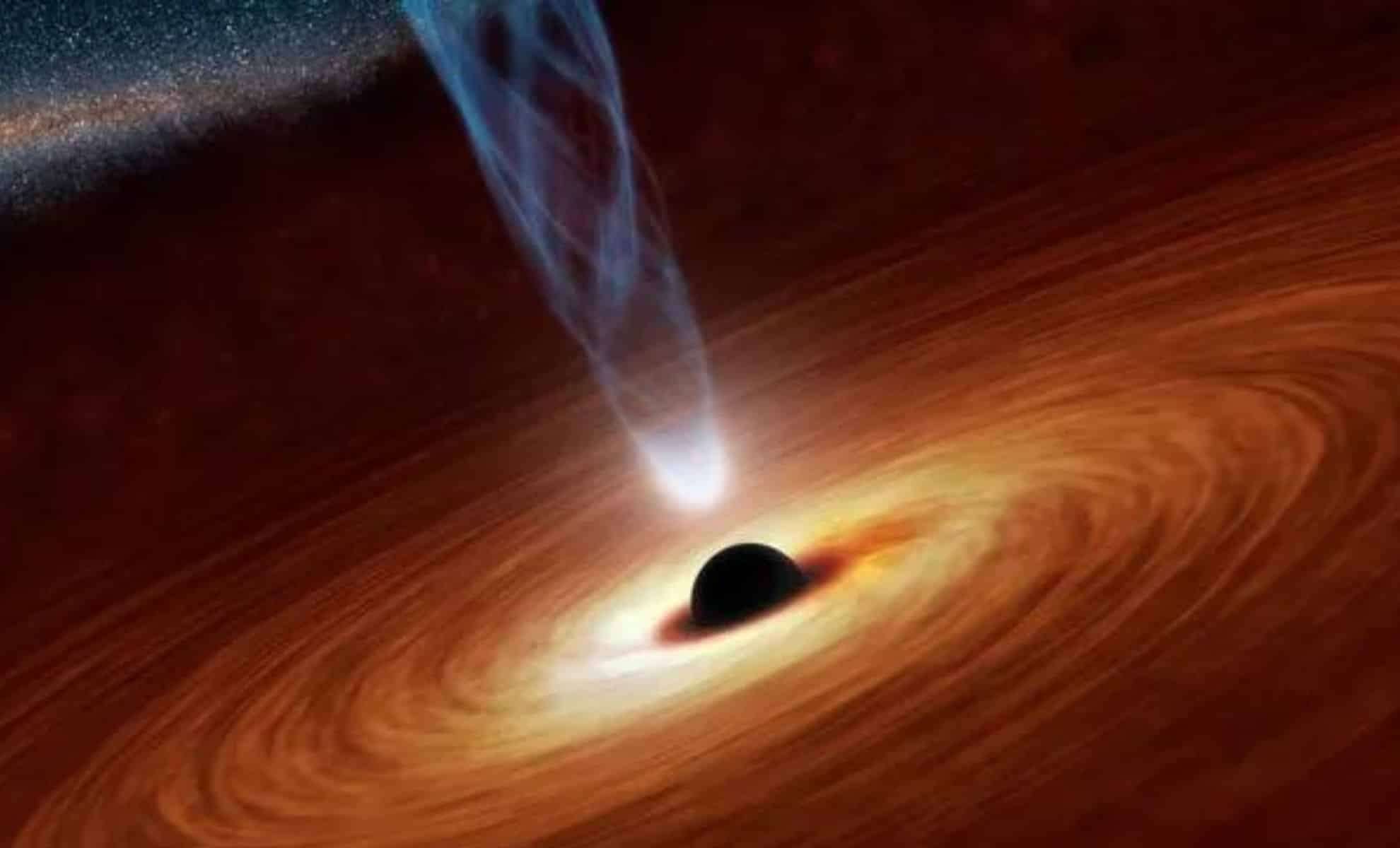
The alternative theory posits that these celestial bodies host supermassive black holes at their centers. These black holes might explain the distinctive emission lines noted in their light spectra, a telltale sign. However, the black holes seem disproportionately massive compared to the host galaxies, with some black holes possessing masses nearly equal to the entire stellar content of their galaxies.
A particularly confounding aspect is the conspicuous absence of X-ray signals typically emitted by such black holes. As Pacucci notes, “The black holes are too big, or overmassive, and they don’t show any sign of X-ray emission. Even in the deepest, high-energy images available, where astronomers should be able to easily observe these black holes, there’s no trace of them.” This lack of X-ray evidence complicates efforts to definitively identify these black holes, deepening the enigma surrounding the galaxies.
Next Steps: Probing the Universe's Dawn
Although many questions remain, the detection of the Little Red Dots marks a vital advance in researching the universe’s earliest epochs. These small galaxies provide a snapshot of cosmic conditions shortly after star and galaxy formation began. Exploring their origin and growth patterns could unlock key insights about the evolution of larger galaxies like our own.
Future analyses with JWST alongside upcoming more sensitive X-ray observatories aim to unravel these mysteries. Detecting X-ray or radio emissions would help distinguish whether supermassive black holes reside within or if the galaxies primarily consist of densely packed stars. As Pacucci summarizes, “Using the Webb telescope and more powerful X-ray telescopes to take additional observations will eventually uncover a feature that astronomers can attribute to only one of the two scenarios.”
The enigma of the Little Red Dots endures but their discovery paves new pathways for understanding the universe’s formative years. Continued observations promise to clarify how these compact galaxies fit into the broader cosmic story.
- Categories:
- Astronomy ,
- News ,
- Space ,
- Nasa







0 comments
Sign in to Comment