

A powerful solar event this week is expected to make the northern lights visible in multiple northern states of the U.S., giving enthusiasts a unique opportunity to witness the breathtaking aurora borealis.
How Are the Northern Lights Formed?
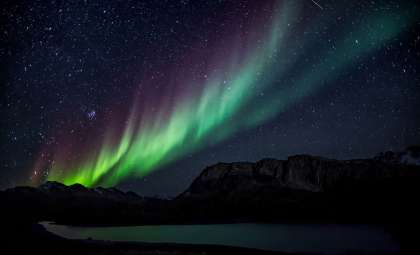
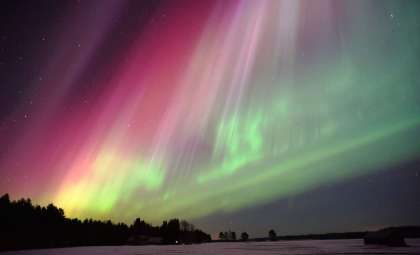
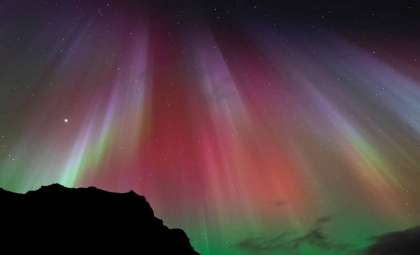
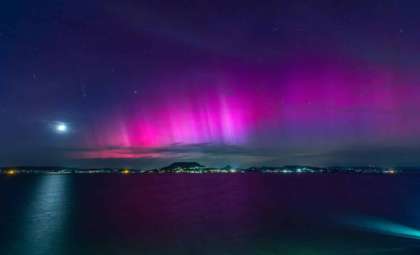
The aurora borealis, commonly known as the northern lights, appears when energetic particles emitted by the sun—often during coronal mass ejections (CMEs)—interact with Earth’s magnetic field. These charged particles are guided toward the polar regions, where they collide with molecules like oxygen and nitrogen in the upper atmosphere. These interactions emit light in vivid shades of green, red, purple, and sometimes blue, creating the spectacular light shows observed in the night sky.
This week's vibrant auroras are triggered by a recent coronal mass ejection that propelled solar particles toward our planet. These particles will engage with Earth's magnetosphere, producing a G1-class geomagnetic storm, according to predictions from NOAA. Typically confined near Arctic latitudes, this storm could carry the auroras further south, making them visible across more northern states in the U.S.

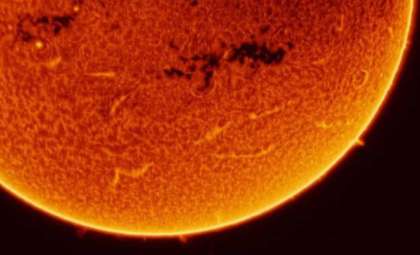
The elevated solar activity is part of the sun's ongoing 11-year solar cycle. Currently, we are approaching the zenith of Solar Cycle 25, characterized by increased sunspot frequency and solar storms. This peak, expected around 2025, indicates a rise in solar events, meaning more auroral displays may light up the skies in coming years.
Optimal Viewing Locations and Times for the Aurora
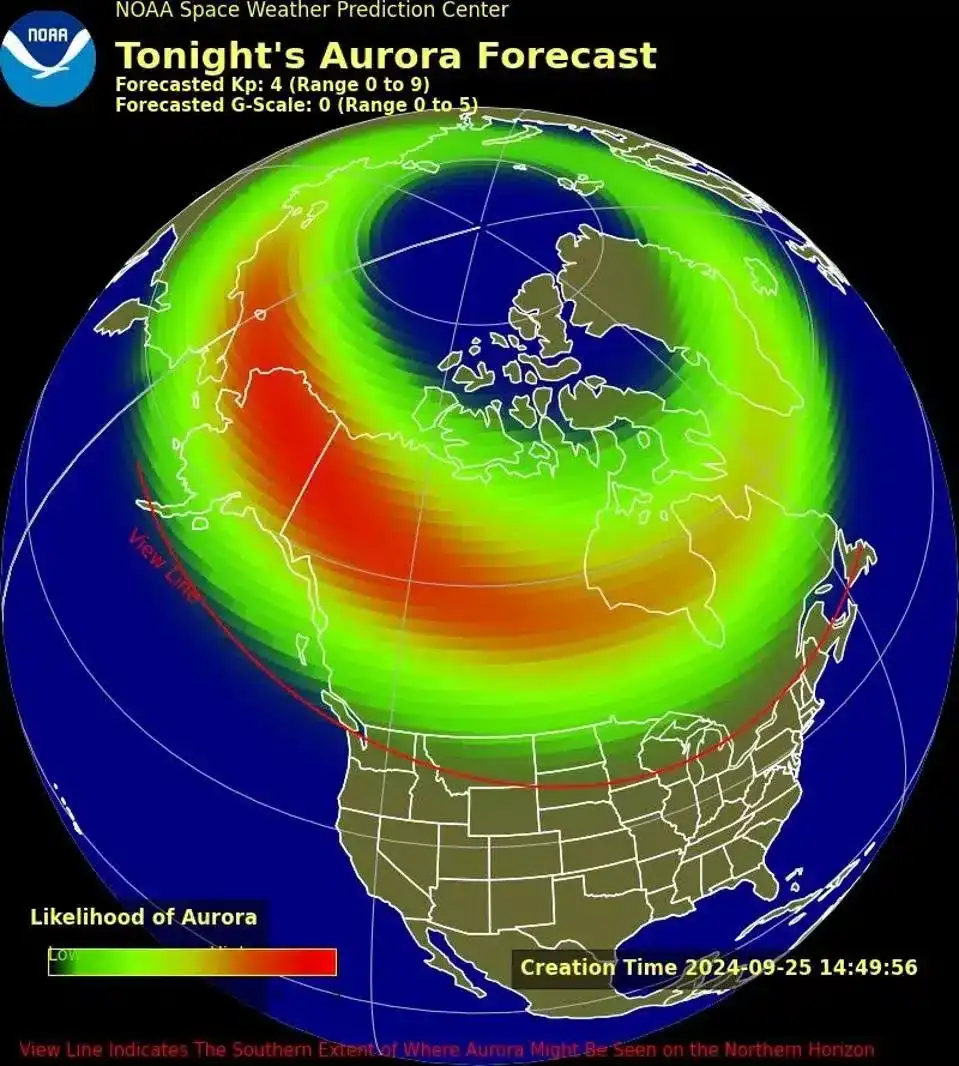
Based on data from NOAA, the northern lights may be seen in several northern U.S. states like Washington, Idaho, Montana, North Dakota, South Dakota, Minnesota, Wisconsin, Michigan, and Maine. This prediction uses the Kp index—a scale from 0 to 9 that measures geomagnetic storm intensity. With an anticipated Kp value of five, the aurora could extend to lower latitudes than normal, though the brightest displays will still appear closer to the Arctic Circle.
The ideal viewing window is typically between 10 p.m. and 2 a.m., when darkness is at its peak and geomagnetic activity is strongest. However, clear skies and low light pollution are crucial for good visibility. For the best chance to see the aurora, it's advisable to seek out remote or elevated areas away from city lights.
NOAA offers a live aurora dashboard for tracking ongoing geomagnetic activity, helping skywatchers determine if the northern lights will be visible in their region. This tool monitors solar winds and provides real-time updates on aurora visibility, aiding enthusiasts in planning their observation sessions.
Effects of Solar Storms and Upcoming Viewing Prospects
Solar storms provide more than just stunning visual displays; they can also influence technology reliant on satellites and electrical grids. Strong geomagnetic storms can interfere with communication systems, GPS navigation, and power infrastructure by causing variations in Earth's magnetic environment. Although this week’s event is minor, more intense storms like the G4-class storm seen in May have the potential to cause greater disruptions.
Rising solar activity correlates with the ongoing solar cycle, which affects space weather and the frequency of auroras. As Solar Cycle 25 approaches its peak phase, increased solar storms will likely boost aurora visibility at lower latitudes, offering more chances for continental U.S. residents to experience these natural light shows.
In fact, recent months have already seen auroras appearing well below their usual ranges. For example, a strong geomagnetic event in May 2024 allowed the northern lights to be seen as far south as Virginia. With solar activity ramping up, even more regions may soon witness these extraordinary phenomena.
For anyone unable to see this week's display due to weather or location, additional opportunities will arise soon as solar activity stays elevated. With the peak of Solar Cycle 25 expected near 2025, the coming years promise more frequent and widespread aurora events.





0 comments
Sign in to Comment