
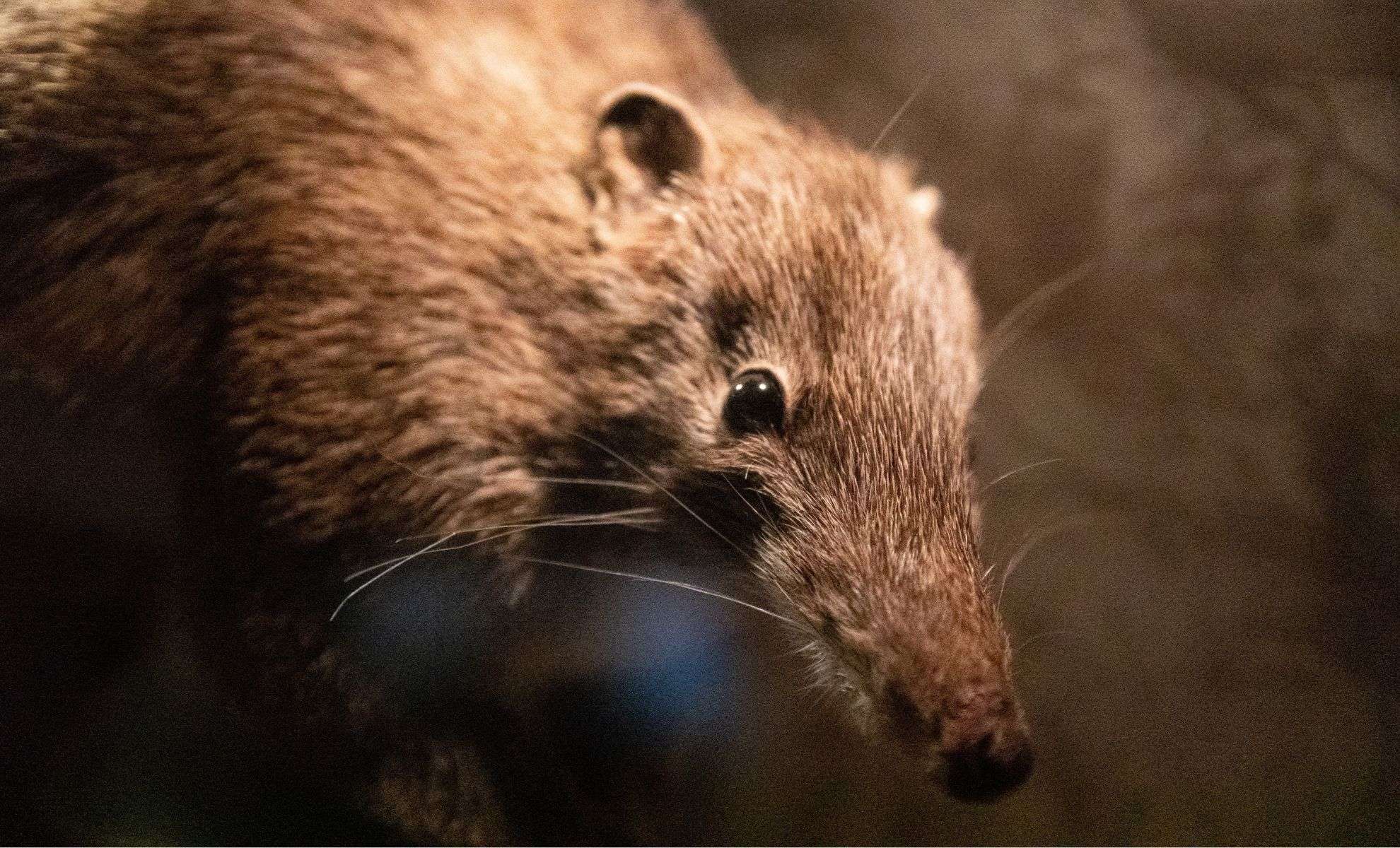
Recently published in the Proceedings of the Royal Society B, researchers from Chile have revealed the identification of Yeutherium pressor, a tiny mammal roughly the size of a mouse that coexisted with dinosaurs around 74 million years ago. Unearthed in the secluded Rio de las Chinas Valley within Chile’s Magallanes region, this remarkably intact fossil sheds new light on the rich biodiversity present in South America during the late Cretaceous.
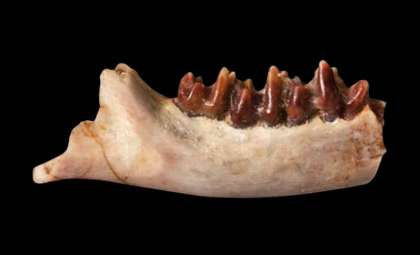
Lead researcher Hans Puschel from the University of Chile and the Millennium Nucleus research center described the find as “a fragmentary jawbone featuring one molar and parts of two others,” sufficient evidence to classify it as an entirely novel species.
An Unusual Combination of Mammalian Characteristics
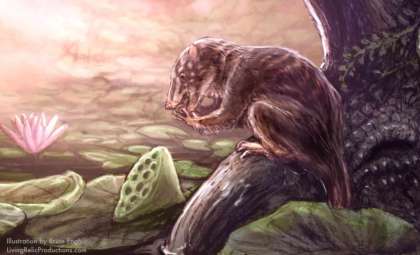
Yeutherium pressor is distinguished by its unique combination of anatomical and reproductive traits. Scientists propose it was an egg-laying mammal, akin to today’s platypuses, while also nurturing its young in a pouch, similarly to kangaroos or opossums. This discovery implies that early mammals in ancient Patagonia were exploring diverse reproductive approaches long before placental mammals became widespread.

Estimated to weigh between 30 and 40 grams, it represents the smallest mammal recorded so far from that region in the Cretaceous. Dental analysis suggests a diet adapted to consuming tough plant materials, possibly allowing it to thrive alongside much larger herbivores and predators.

Surviving Amid Dinosaurs
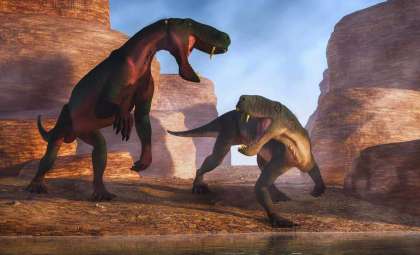
The late Cretaceous era in Patagonia was teeming with life, hosting enormous sauropods, fierce theropods, and now, thanks to this discovery, diminutive mammals with specialized adaptations. Yeutherium pressor likely inhabited verdant landscapes, skillfully maneuvering between carnivorous threats and competing plant eaters.
This species disappeared during the mass extinction event approximately 66 million years ago. Its fossil’s exceptional condition and location—over 3,000 kilometers south of Chile’s capital Santiago—highlight untapped paleontological potential in Patagonia’s remote fossil sites.
Puschel’s group considers this finding more than a new species; it provides valuable insights into mammalian development in Gondwana, the ancient southern supercontinent comprising South America, Antarctica, Africa, and Australia. Its unique trait combination suggests evolutionary innovation was geographically broader than formerly assumed.
Patagonia’s Rising Importance in Paleontology
Recently, the Magallanes region has yielded numerous notable fossils including massive marine reptiles and feathered dinosaurs, establishing it as a prime location for paleontological study. The identification of Yeutherium pressor underscores the value of continued exploration in challenging environments where ancient life forms remain remarkably preserved.
Each new discovery from this region not only bridges gaps in the prehistoric record but also fuels further questions on how species adapted during key evolutionary transitions. For the public, it serves as a potent reminder that alongside towering dinosaurs, tiny mammals—no larger than a human palm—played vital roles in their ecosystems.
- Categories:
- Science




0 comments
Sign in to Comment