
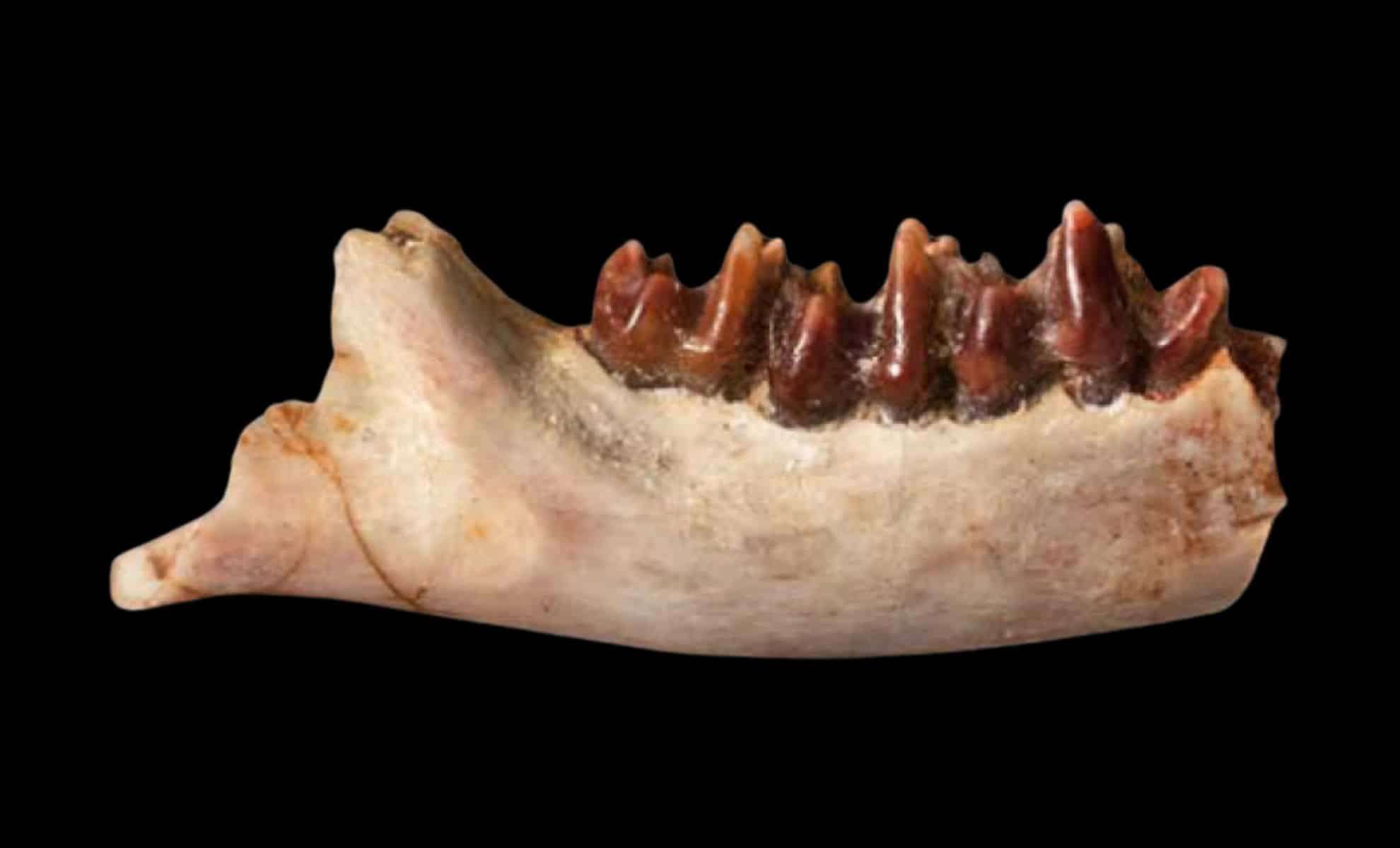
Scientists exploring Mongolia’s Gobi Desert have uncovered a previously unknown mammal species dating back to the Late Cretaceous epoch, offering fresh insights into prehistoric life that coexisted with dinosaurs.
Introducing Ravjaa ishiii: A New Genus from the Past
The fossil represents a novel genus and species labeled Ravjaa ishiii.
This small mammal, barely bigger than a mouse, was excavated from the Baynshire Formation during a collaborative 2019 field mission.

Its scientific name pays tribute to 19th-century Buddhist monk Dulduityn Danzanravjaa and commemorates Kenichi Ishii, whose efforts forged the research partnership between Mongolia and OUS.
A Remarkably Small Fossil with Significant Impact
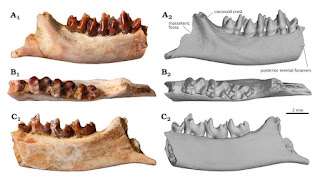
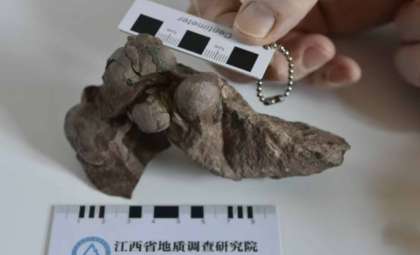
The specimen consists of a partial lower jaw, roughly one centimeter in length, identified as a member of the Cretaceous mammalian group Zhelestidae.
Though diminutive, its distinctive tall molars and uniquely shaped jaw differ markedly from related species, resulting in classification as a new genus and species, according to the published research.
This marks the inaugural discovery of a Zhelestid mammal within Mongolian territory. Previously believed to inhabit predominantly coastal zones, this finding reveals their presence extended to interior regions during the Late Cretaceous.
Ecological Context of the Late Cretaceous Environment
The Baynshire Formation dates to a period when angiosperms—flowering plants—were beginning to spread across terrestrial ecosystems.
These plants played a crucial role in shaping ecological food webs, potentially influencing mammalian diets at the time.
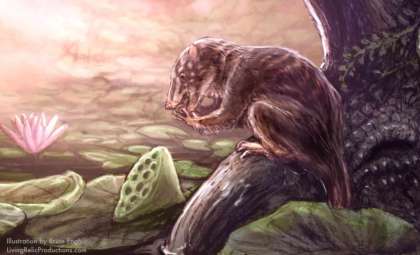
The robust molar structure of Ravjaa ishiii suggests a diet adapted for consuming seeds and fruits.
Lead researcher and OUS doctoral student Tsukasa Okoshi noted, “The paper’s release was delayed due to the COVID-19 pandemic, but we ultimately succeeded in demonstrating this specimen’s scientific significance.”
Insights into the Late Cretaceous Gobi Desert Biodiversity
This fossil find enriches understanding not only of mammals but also the diverse ecosystem of the Gobi Desert during the Late Cretaceous era.
Known for its abundant fossil sites, the region hosted a broad array of ancient life, including various dinosaur species.
“Our hope is that this discovery will initiate additional taxonomic research on small vertebrate fossils from this locality and time period, ultimately revealing the extensive biodiversity—including dinosaurs—that flourished in the Gobi Desert during the dinosaur age,” stated Okoshi.
Overcoming Challenges in Paleo-Research
The international team managed to complete their study and highlight this rare finding.
Professor Mototaka Saneyoshi of OUS described the experience, saying, “Uncovering such a tiny fossil in the vast Gobi Desert feels truly like a gift from the desert itself. It’s nothing short of miraculous. ”
Advancing Our Knowledge of Ancient Mammals
The identification of Ravjaa ishiii represents a crucial advancement in mammalian paleontology.
With ongoing fossil discoveries, scientists anticipate further revelations that will deepen our comprehension of the ancient world inhabited by dinosaurs.
- Categories:
- Science

0 comments
Sign in to Comment