
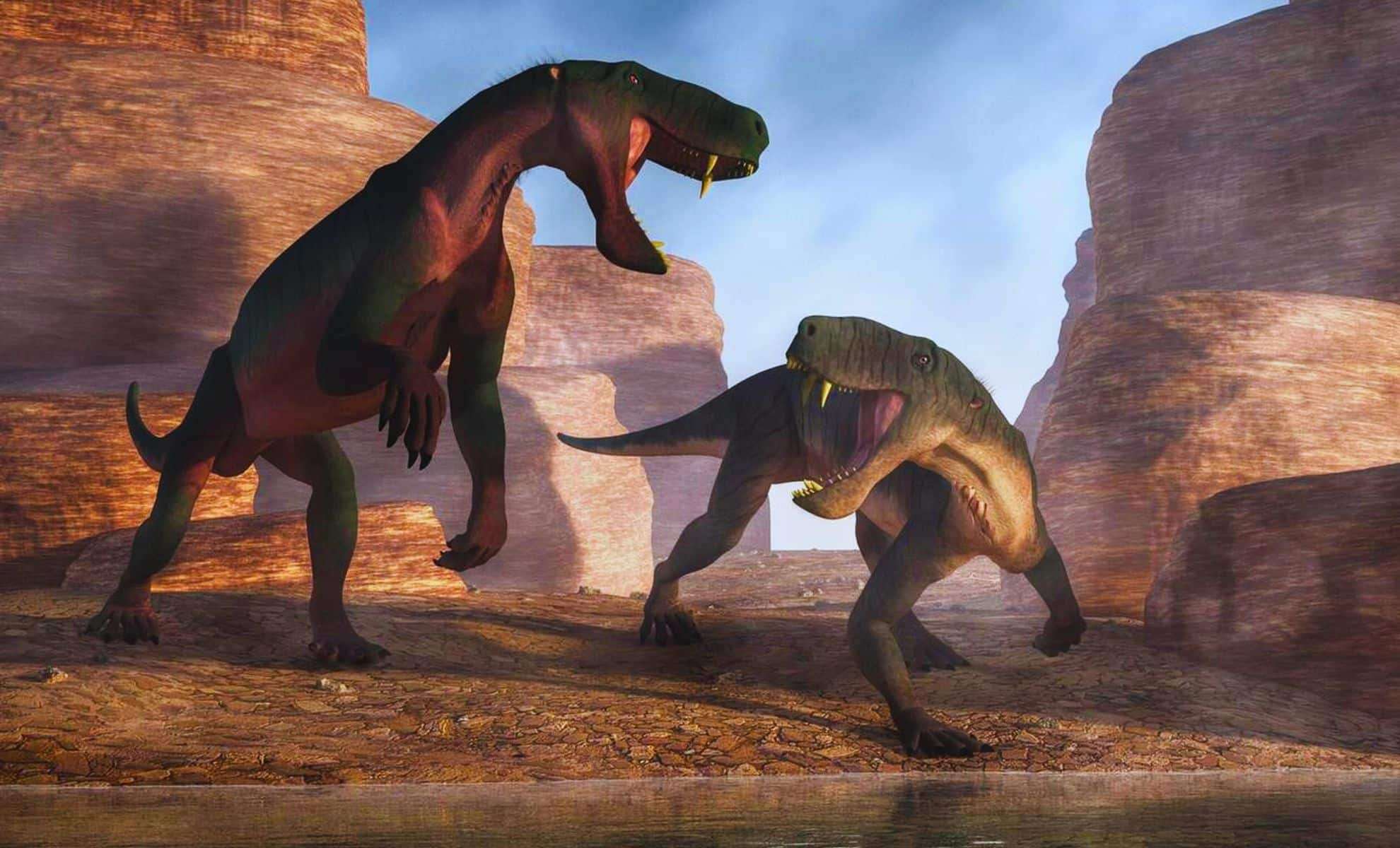
The story of life on our planet stretches back billions of years, and among the key players in this deep history are therapsids, the early relatives of mammals. A groundbreaking fossil find on the Mediterranean island of Mallorca has revealed an exceptional specimen: a saber-toothed gorgonopsian. Estimated to be around 270–280 million years old, this fossil represents the oldest known gorgonopsian and significantly reshapes our understanding of mammalian origins.
Therapsids: The Forebears of Mammalian Life
In the Permian period, over 250 million years ago, therapsids flourished with a blend of reptilian and emerging mammal-like characteristics. They developed specialized teeth, complex jaw structures, and skeletal innovations that laid the foundation for mammals. Some therapsids also showed primitive forms of warm-bloodedness and temperature regulation, traits that later became hallmarks of mammals.
Essential Features of Therapsids
- Jaw and dental evolution: Jawbones evolved into mammalian middle ear bones, paired with teeth adapted to various diets.
- Locomotion improvements: Advanced mobility supported their success in terrestrial habitats.
- Ecological diversity: Filling roles comparable to modern mammals, they ranged from plant-eaters to top predators.
Although therapsids dominated their ecosystems, the Permian-Triassic extinction event nearly wiped them out. Only a few groups endured, eventually giving rise to the vast array of mammals we see today.

Mallorca’s Rare Saber-Toothed Find
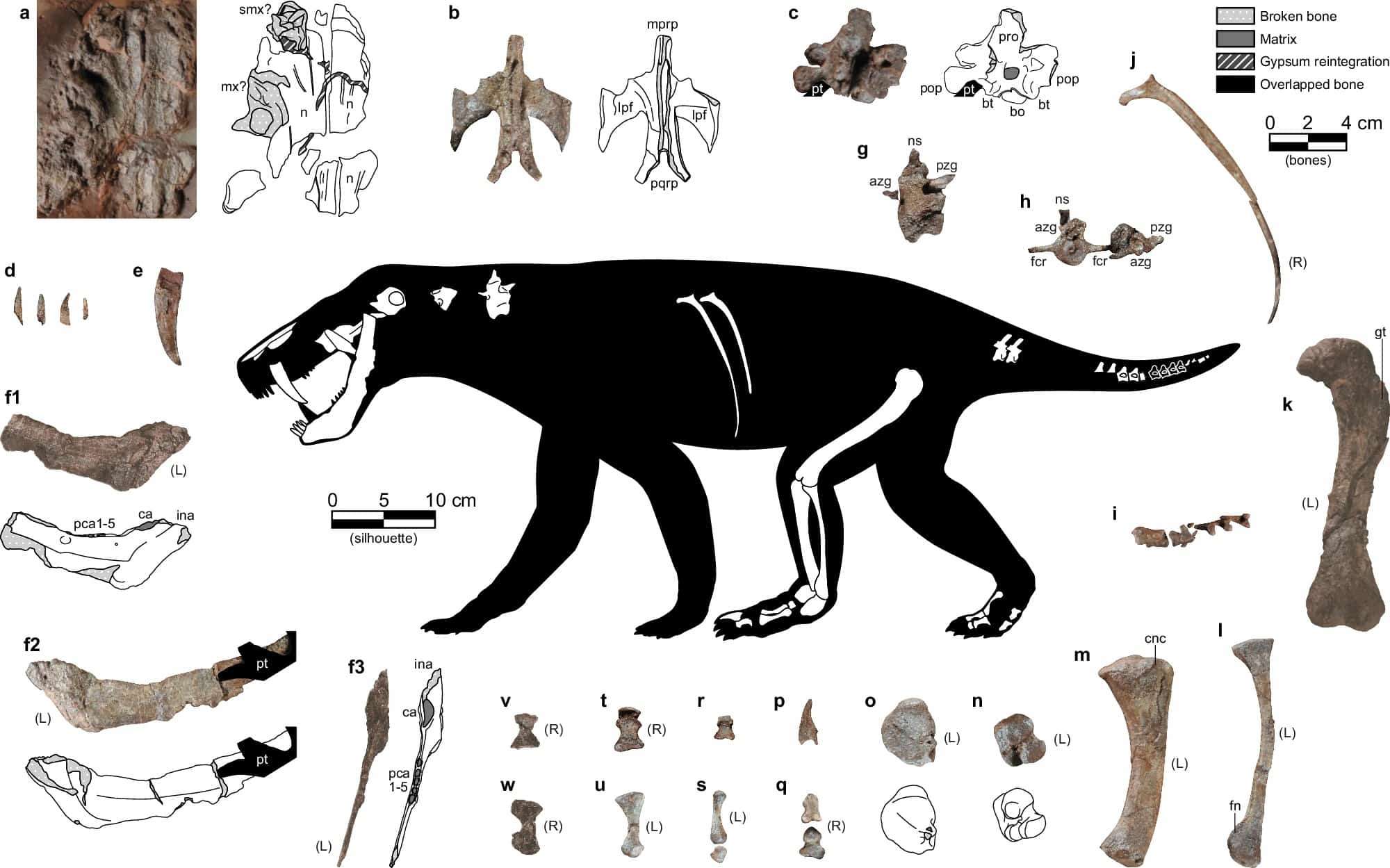
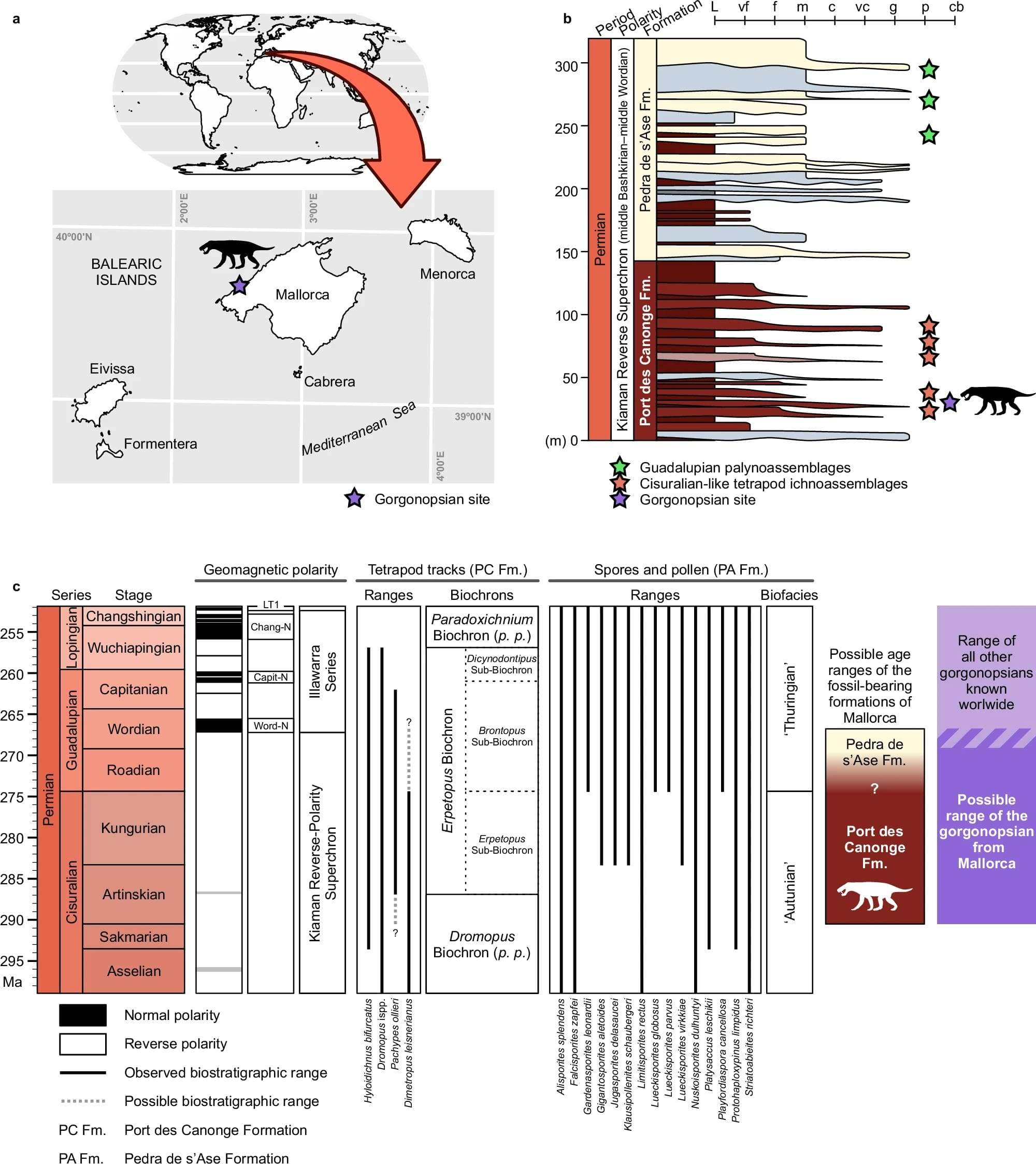
The recent fossil belongs to the group of gorgonopsians, saber-toothed hunters that symbolized therapsid supremacy. Located at the Torrent de na Nadala site within the Serra de Tramuntana, this discovery extends gorgonopsian history back by over 5 million years, making it the earliest such specimen ever documented.
Ken Angielczyk, MacArthur Curator of Paleomammalogy at the Field Museum, highlighted the importance of the find:
“They don’t have any modern descendants and, while they’re not our direct ancestors, they’re related to species that were our direct ancestors.”
Abundance of Fossil Evidence
The volume of bones recovered astonished researchers. Rafel Matamales, curator at the Museu Balear de Ciències Naturals (MUCBO | MBCN), commented:
“We never thought we would find so many remains of an animal of this type in Mallorca.”
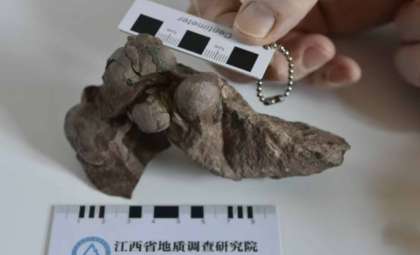
The fossilized bones include an almost complete femur, skull fragments, vertebrae, and ribs. Scientists used these to piece together the predator’s anatomy, revealing a creature about the size of a large dog, equipped with long saber-like teeth and a nimble physique, reigning as the top carnivore of its tropical floodplain habitat.
Setting New Milestones in Therapsid History
Prior to this discovery, the oldest gorgonopsian fossil was believed to be about 265 million years old. This new specimen extends that timeline to 270–280 million years, indicating that therapsids diversified earlier than once thought and suggesting a tropical Pangaean origin rather than one in cooler temperate zones like South Africa or Russia.
“It is most likely the oldest gorgonopsian on the planet,” stated Josep Fortuny, senior author and head of the Computational Biomechanics and Evolution of Life History group at the Institut Català de Paleontologia Miquel Crusafont (ICP).
Tracing Therapsid Evolution Through Time
Olson’s Extinction Spurred Therapsid Success
The fossil dates just after Olson’s Extinction, a devastating event around 273 million years ago that wiped out many early tetrapods, opening ecological niches for therapsids. This era sparked their rapid expansion and diversification into groups such as gorgonopsians, biarmosuchians, and anomodonts. The Mallorca find captures a vital moment in this evolutionary radiation, illustrating adaptations to new environments and climates.
A Mediterranean Gem in Evolutionary Research
This finding underscores the untapped scientific value of Mediterranean fossil-sites like Mallorca’s Port des Canonge Formation. Formerly part of equatorial Pangaea, this area offers a rare view into tropical Permian ecosystems.
Angielczyk emphasized how the fossil challenges earlier perceptions:
“Before the time of dinosaurs, there was an age of ancient mammal relatives. Most of those ancient mammal relatives looked really different from what we think of mammals looking like today. But they were really diverse and played lots of different ecological roles.”
This saber-toothed carnivore is more than a notable fossil — it's a vital chapter in the story of mammalian evolution. Further examination of its remains promises new insights into how therapsids evolved from early survivors into the progenitors of modern mammals.
- Categories:
- Science




0 comments
Sign in to Comment