
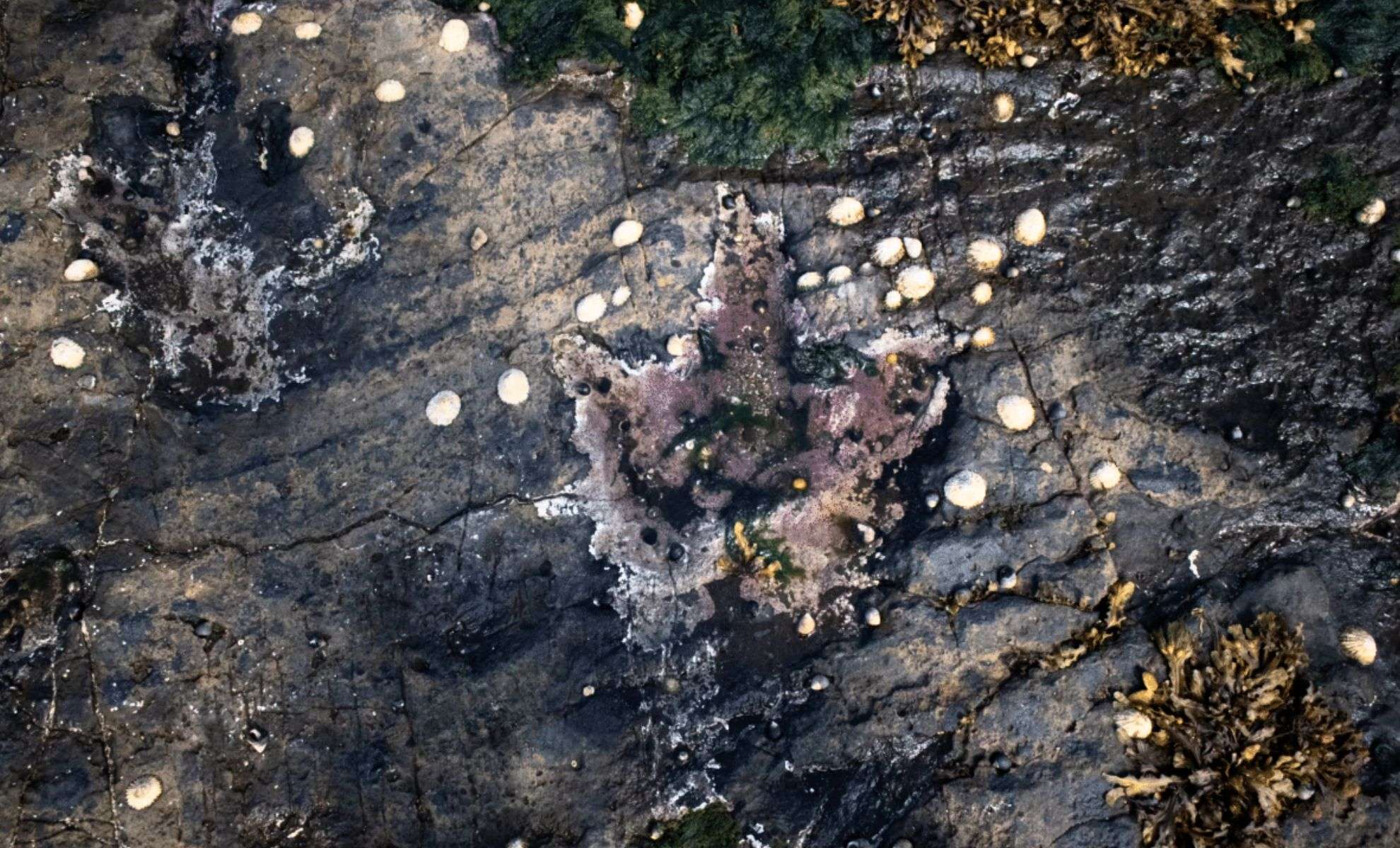
Scientists have made a remarkable find on the Isle of Skye in Scotland, uncovering exceptionally well-preserved traces from the Middle Jurassic period. This rare discovery consists of an extensive collection of dinosaur footprints located on the remote tidal platform known as Prince Charles’s Point. These tracks shed light on the lifestyles and environment of dinosaurs inhabiting a subtropical lagoon that existed over 167 million years ago.
A Window into a Jurassic Lagoon Habitat
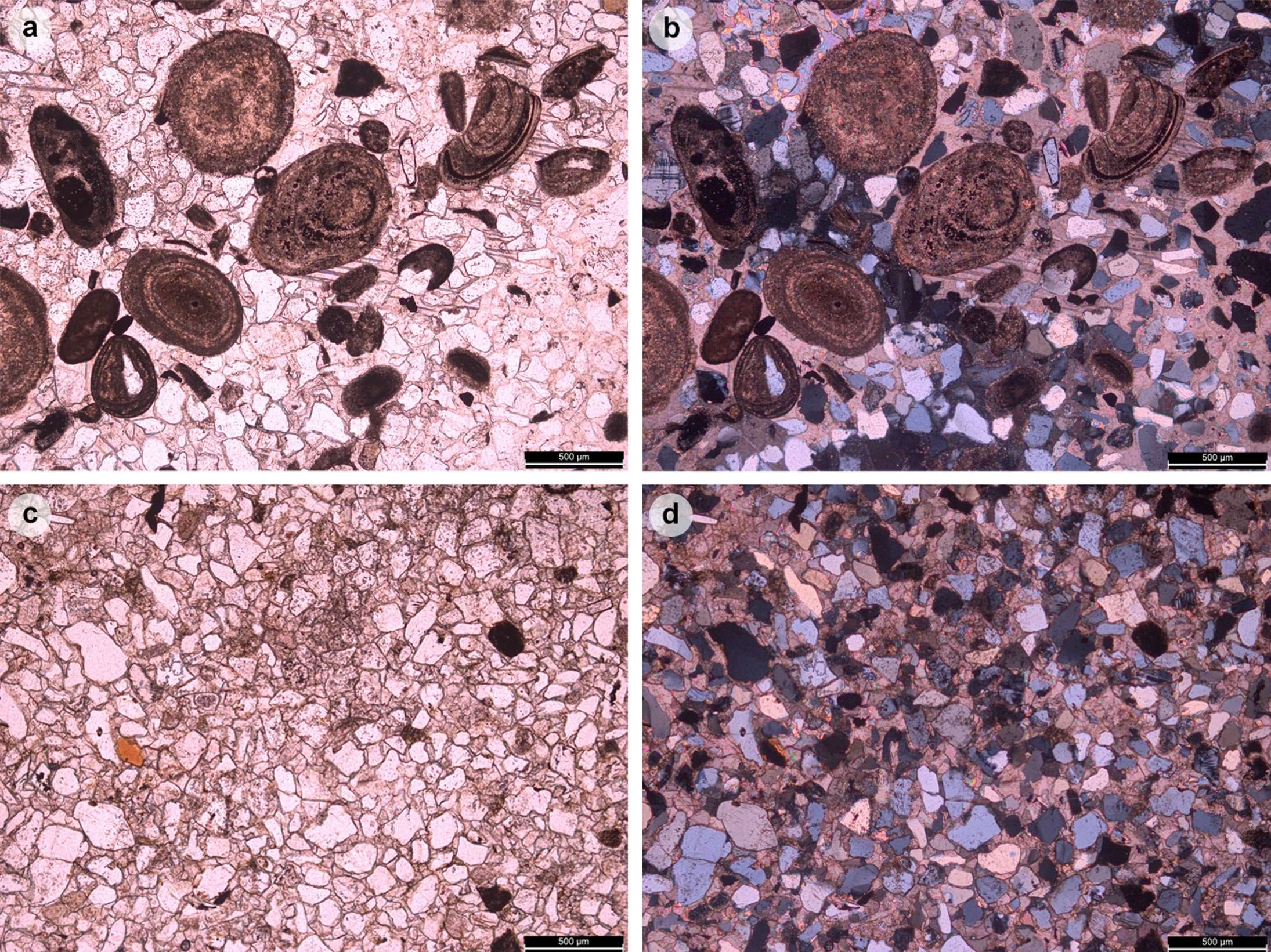
The site preserves 131 in-situ dinosaur footprints embedded in rippled sandstone layers of the Kilmaluag Formation, dating back to the Late Bathonian stage of the Middle Jurassic era. Belonging to the Great Estuarine Group, these sedimentary beds represent sediments deposited in a non-marine delta environment featuring shallow freshwater lagoon conditions.
Researchers publishing in the journal PLOS One report that the footprints are found within several layers, predominantly in beds 2 and 5, composed of fine-grained sandstone. These exposures along the northwest coastline of Skye’s Trotternish Peninsula were formed along a shallow lagoonal margin that was occasionally influenced by small rivers and episodes of drying out.

The lagoon’s ecosystem, reconstructed using fossil pollen and sediment studies, included conifers, large ferns, and ginkgos, alongside ostracods, fish remains, and terrestrial pollen grains. Absence of marine microfossils confirmed the lagoon was predominantly freshwater.
Theropods Dominate This Ancient Ecosystem
This discovery is notable for an unusually high number of theropod footprints, exceeding those made by sauropods in a lagoon environment—a contrast to other fossil sites within the Great Estuarine Group. The tracks likely belong to two main groups: large megalosaurid theropods and sauropods that may be early neosauropods or non-neosauropods.
Remarkably, a theropod footprint was found directly overlapping a sauropod print, suggesting a possible interaction, such as predator-prey proximity or pursuit. Paleontologist Stephen Brusatte from the University of Edinburgh stated, “Footprints from this era are exceptionally rare, but when discovered, they provide vital clues about dinosaur behavior.”
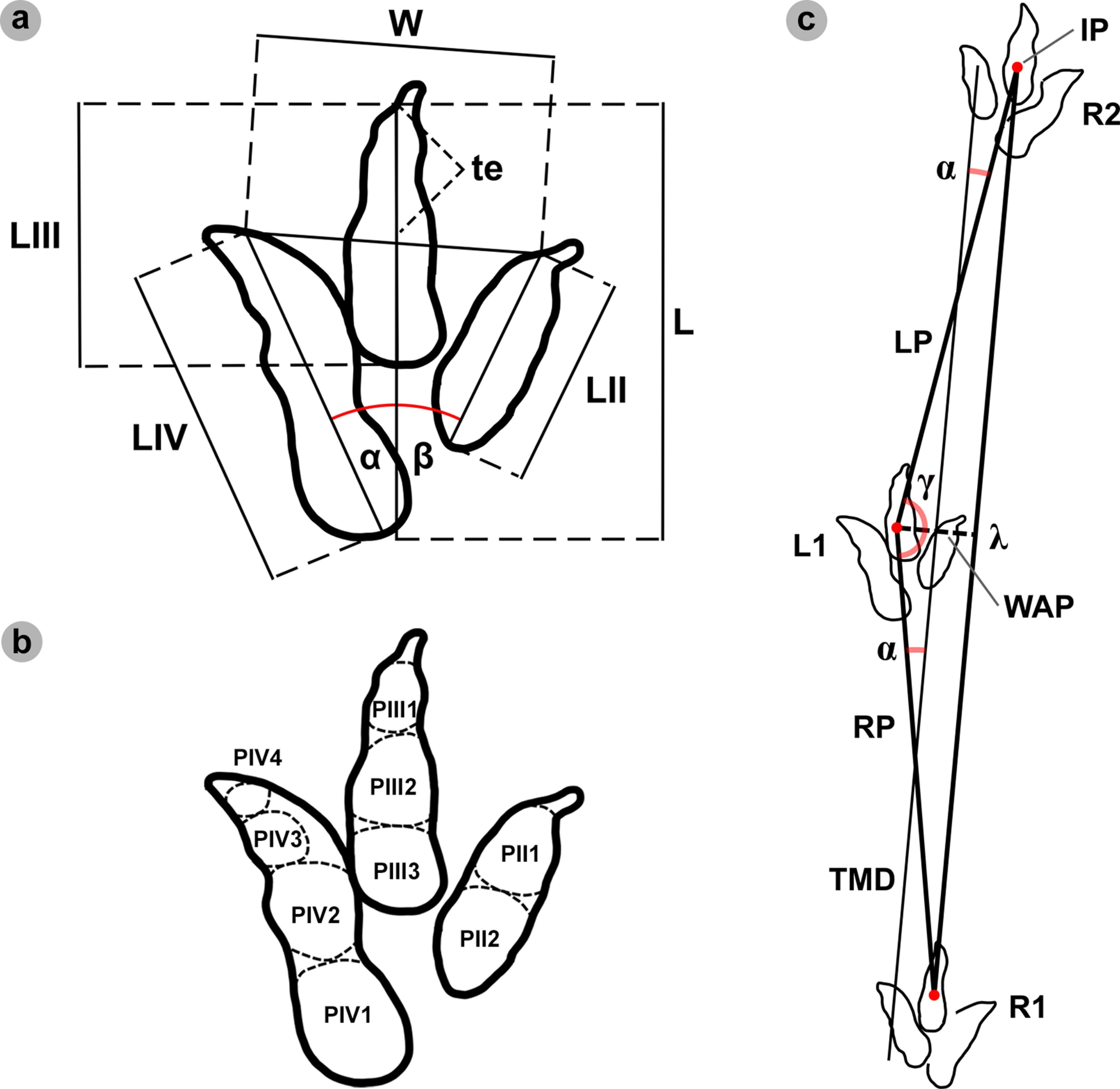
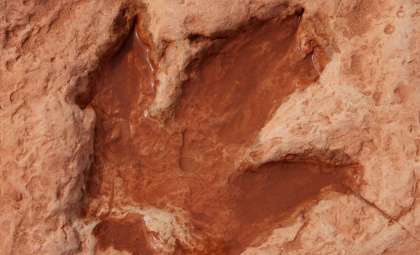
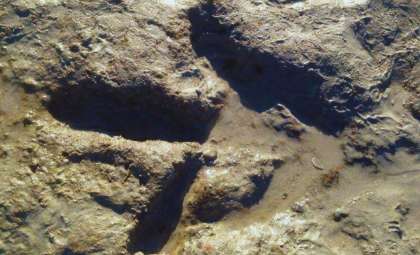
Theropod tracks measure up to 53 cm long, showcasing clear three-toed impressions with sharp claw marks. Some display a classic “2:3:4” arrangement of phalangeal pads, offering insight into foot structure and locomotion. Sauropod footprints, in contrast, are wider and rounder, sometimes reaching 50 cm across, consistent with the movement of massive herbivores like Cetiosaurus.
Previous geological assessments had mistakenly identified some sauropod prints as fish resting burrows, highlighting the significance of careful morphological examination. The corrected classification raises the possibility that similar trace fossils elsewhere might also be dinosaur-made, particularly in analogous environments.
Overlapping Tracks Reveal Dynamic Dinosaur Activity
The footprints are preserved across at least two principal sections of the site. One area contains 17 theropod and 23 sauropod prints within a 92-square-meter zone. Photogrammetric analyses detected overlapping footprints, providing a sequence that aids in establishing relative timing.
For example, a theropod print over a sauropod’s track indicates these animals crossed the same area within a brief timeframe. This pattern indicates what paleontologists call “time-averaged milling behavior,” where multiple dinosaurs frequented the same habitat over time.
Some prints display remarkable detail, whereas others are partially eroded by tidal forces, offering a comprehensive dataset illustrating preservation variability, animal movement, and sediment interactions.
Stride measurements for theropods ranged between 2.3 and 3 meters, suggesting they walked at moderate speeds. Calculations of hip height and locomotion imply walking rather than running, and footprint orientations demonstrate dinosaurs moving in various directions rather than along fixed paths.
High-Tech Imaging Captures Ancient Footsteps
Researchers deployed drones equipped with high-resolution cameras to document the complex site, capturing more than 4,500 overlapping photos. Using photogrammetry tools, they created detailed 3D reconstructions, digital elevation models, and contour maps to analyze footprint shape and structure in unprecedented detail.
Ground-based photographs and manual cleaning helped capture smaller or partially obscured prints accurately. Each footprint was catalogued with unique identifiers and assessed based on digit clarity and pad preservation.
The team identified distinct footprint categories, such as “morphotype-1a” for large tridactyl theropod tracks and “morphotype-2” for sauropod prints. These classifications facilitate comparisons with similar dinosaur trace fossils worldwide, underscoring the site’s paleontological significance.
Lead researcher Tone Blakesley, a paleontology graduate student at the University of Edinburgh, emphasized, “These footprints reveal dinosaur behaviors and interactions with their environment in ways that skeletal fossils alone cannot.”
The research was conducted by the PalAlba group, funded by the National Geographic Society and supported by a Philip Leverhulme Prize awarded to Brusatte. Data and 3D models from the study were made publicly accessible through the Dryad database to encourage ongoing research.
- Categories:
- Science

0 comments
Sign in to Comment