
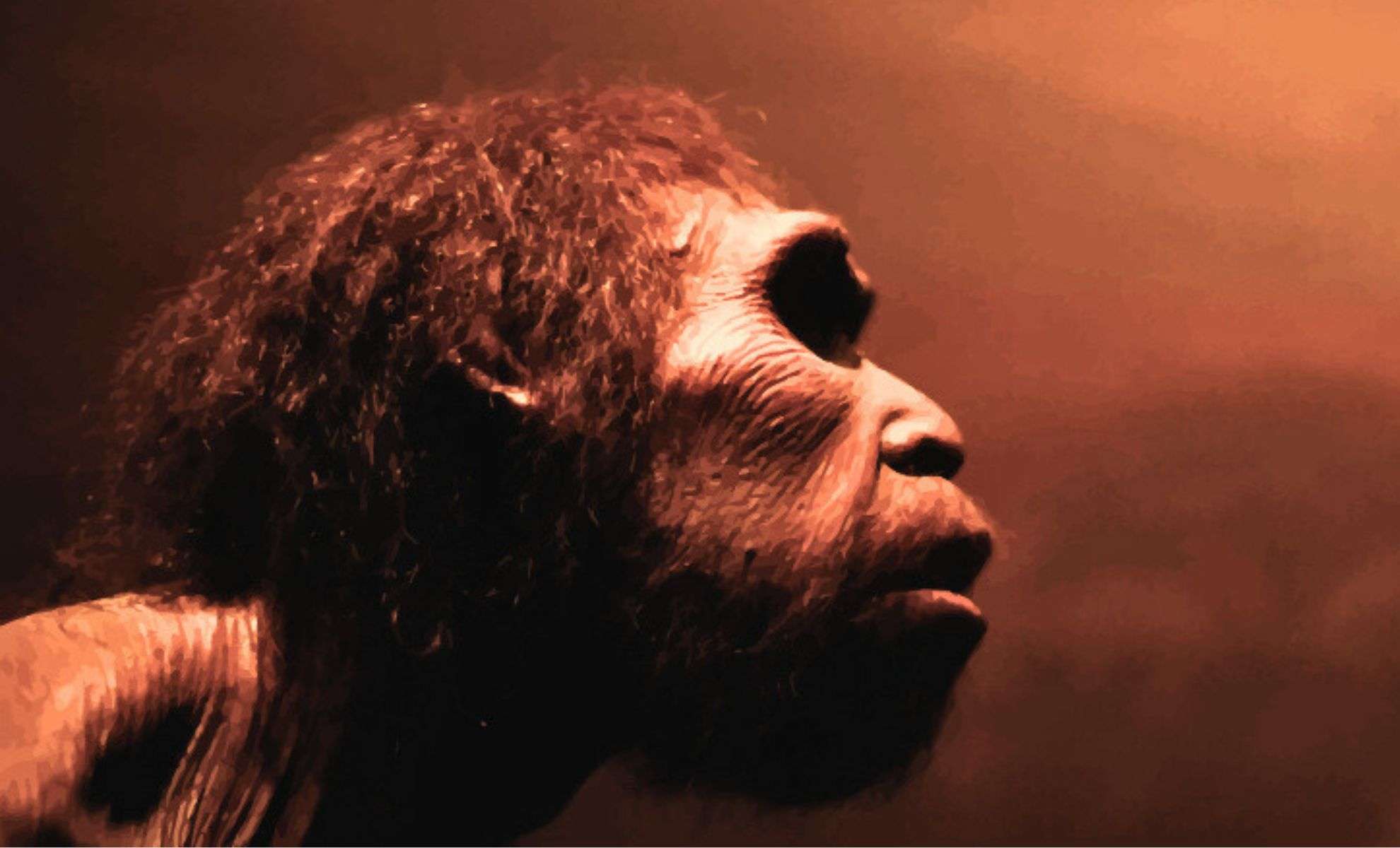
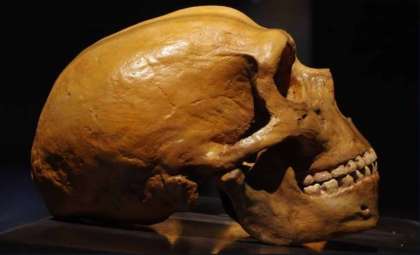
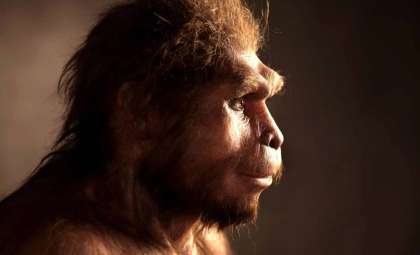
Scientists have uncovered a previously unidentified Australopithecus species in Ethiopia's Afar region, which existed alongside early members of the genus Homo more than 2.6 million years ago, overturning established ideas about human evolutionary history.
The findings, detailed in Nature, were led by Dr. Brian Villmoare from the University of Nevada, Las Vegas, and are part of the extensive Ledi-Geraru Research Project, which seeks to fill crucial gaps in early human fossil evidence through about 20 years of research.
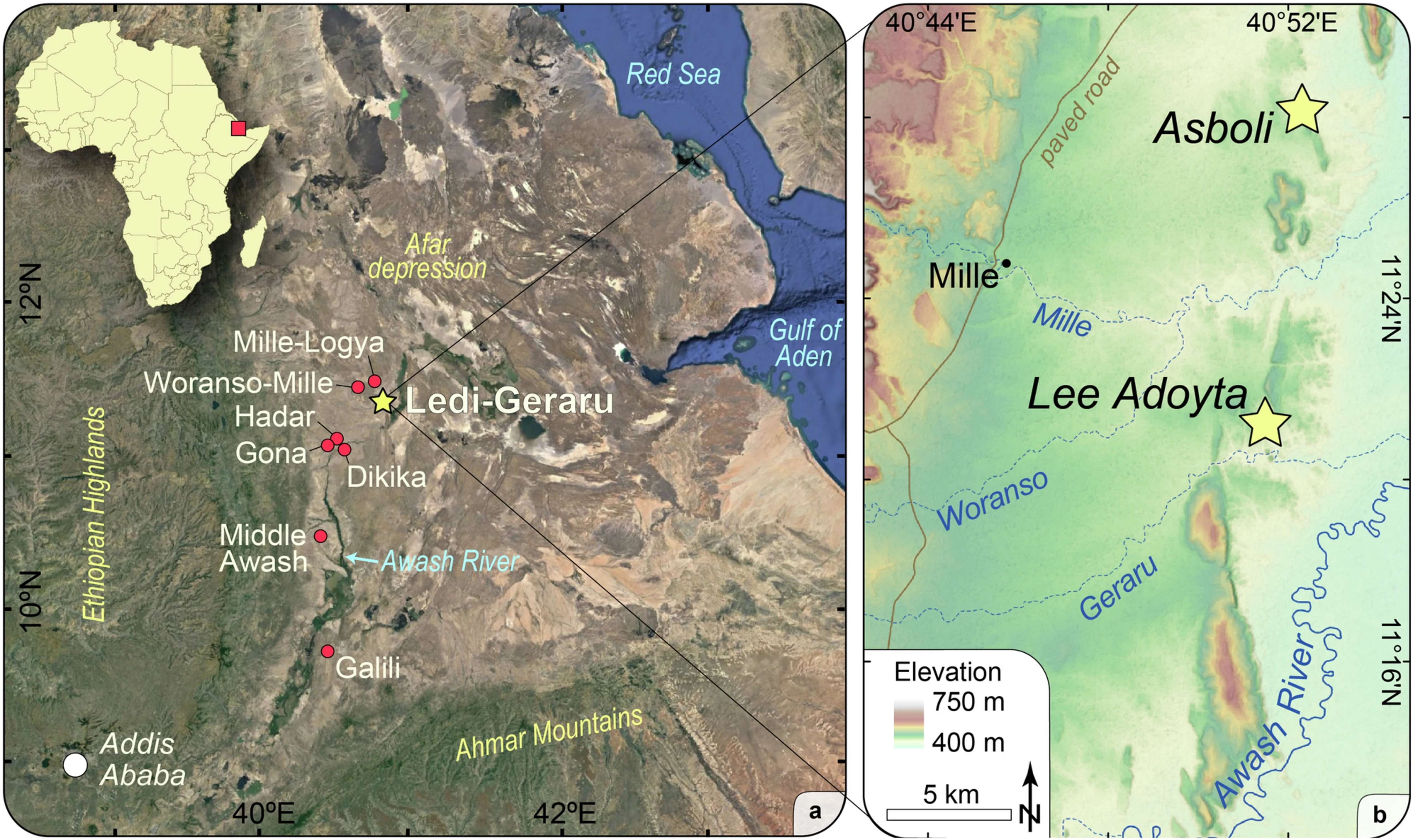
Researchers analyzed 13 fossilized teeth found across three sites near the Lee Adoyta and Asboli regions. Some teeth show characteristics aligning with early Homo, while others represent a previously unknown Australopithecus species. Remarkably, these fossils date between 2.6 and 2.8 million years ago, a period once thought to be devoid of such discoveries.

“This challenges the old image of a neat evolutionary line from ape to human,” said Dr. Villmoare. “Instead, we’re seeing a more tangled story, with overlapping lineages and evolutionary experiments happening side by side.”
Reevaluating Lucy’s Role and Homo’s Emergence
Until now, it was widely accepted that Australopithecus afarensis, the species to which the famous fossil "Lucy" belongs, disappeared roughly 2.95 million years ago, paving the way for the evolution of Homo. However, the new evidence reveals a more intricate evolutionary landscape.
The fossils discovered, particularly at the LD 760 locale, possess molars that are notably larger and broader than those of A. afarensis, lacking the quintessential crown shape of that species. Additionally, distinctive wear patterns on the canine teeth highlight a unique evolutionary trajectory for this group.
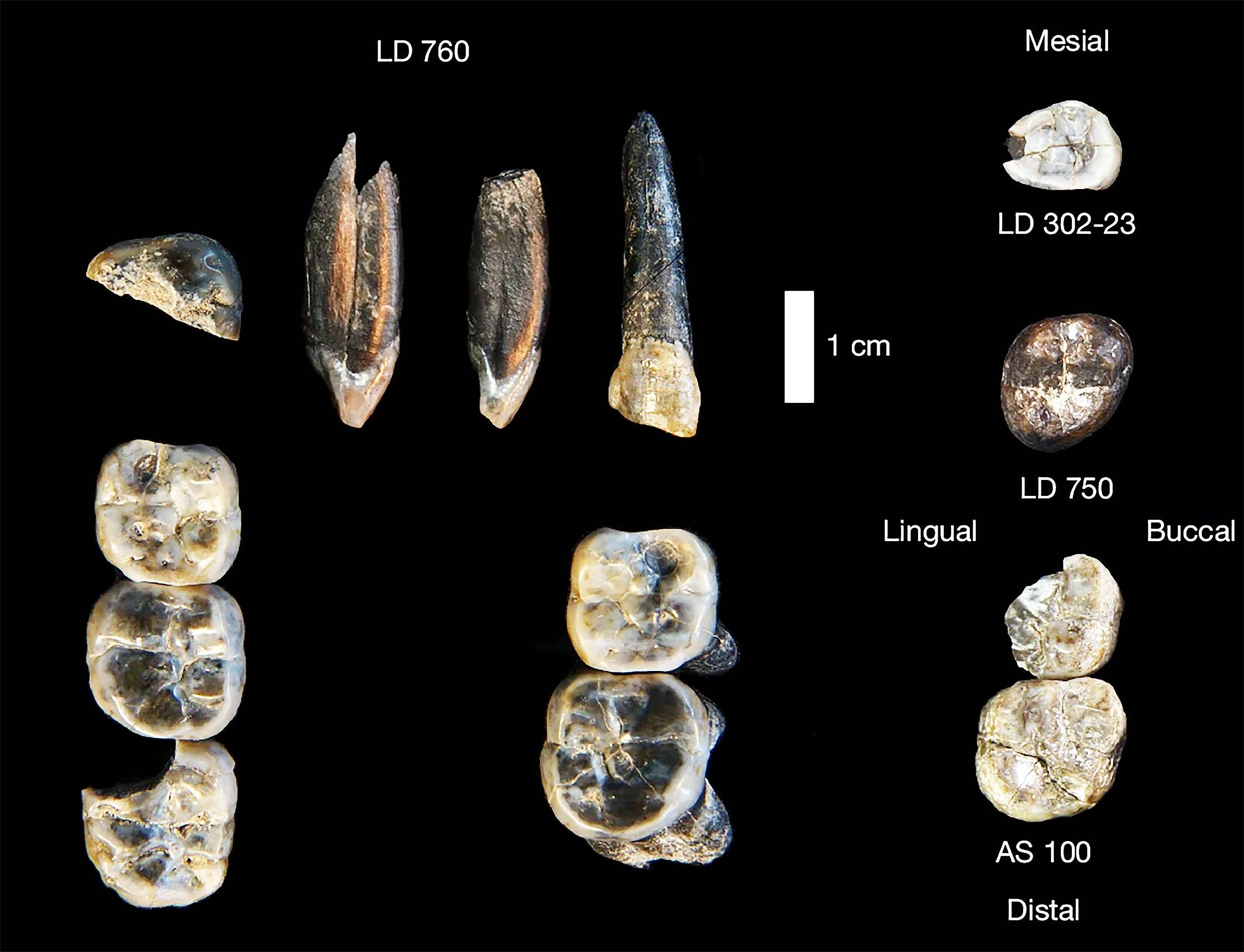
The team cautiously suggests that these fossil remains do not correspond to any known species, implying that at least three distinct hominin lineages — early Homo, A. garhi, and this new Australopithecus species — cohabited the area simultaneously.
Kaye Reed, a paleoecologist at Arizona State University and co-author, points out, “These species likely shared ecosystems, resources, and possibly competed, painting a picture of evolution as a complex, dynamic process rather than a straightforward progression.”
A Unique Geological Archive Illuminates a Lost Chapter
The scarcity of fossil-rich layers from the critical period between 3 and 2.5 million years ago hindered discoveries until the emergence of the Ledi-Geraru Research Project in 2002.
Thanks to volcanic ash deposits in the region, scientists applied 40Ar/39Ar radiometric dating and detailed stratigraphic analyses to accurately date fossils. For example, the Gurumaha Tuff, where one early Homo premolar was found, has been dated to 2.782 ± 0.006 Ma, while the Giddi Sands Tuff, source of another specimen, dates to 2.593 ± 0.006 Ma. These overlapping strata create one of the most precise timelines for early human evolution yet.
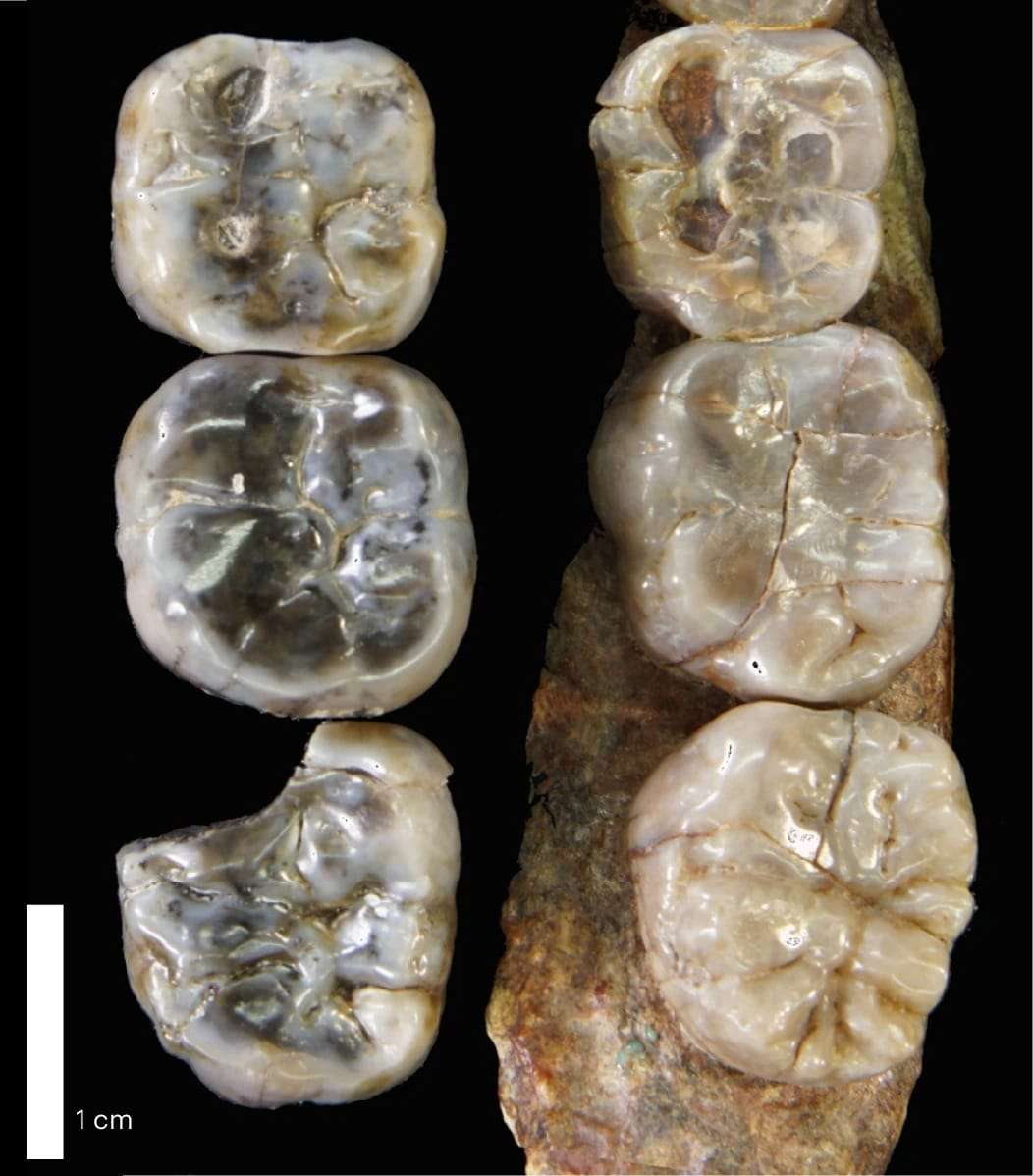
In 2015, this team discovered the oldest known Homo jawbone, dating back 2.8 million years. The recent addition of multiple dental fossils—including molars, premolars, and canines—strengthens the case for an early presence of Homo in East Africa and reveals greater diversity than previously believed.
An Increasingly Complex Picture of Early Human Ancestors
New fossil finds from Kenya and Tanzania have dated Paranthropus to about 2.66 million years ago, while Australopithecus africanus likely inhabited South Africa around the same time. The Afar region, famous for Lucy’s discovery, now provides the clearest record of a diverse community of hominins shortly before the widespread use of stone tools.
Despite these temporal and spatial overlaps, Paranthropus fossils have yet to be found in Afar. Some researchers propose the newly identified Australopithecus species may have filled similar ecological roles, potentially outcompeting or preventing robust-jawed hominins from settling there.
“Evolution tends to experiment broadly before settling on a winning formula,” said Reed. “We’re just lucky this one spot preserved the evidence.”
Future research will focus on analyzing tooth enamel isotopes and microscopic wear patterns to shed light on dietary habits and social interactions. Understanding whether early Homo had different feeding strategies or behaviors compared to their relatives may explain why their lineage endured while others vanished.
Implications for Our Understanding of Human Origins
For decades, human evolution was popularly portrayed as a simple linear sequence—from Lucy to Homo habilis and eventually modern humans. The new discoveries advocate for a more complex ‘bushy’ evolutionary tree, featuring multiple contemporaneous hominin species that interacted, interbred, or went extinct in response to changing environments and selective pressures.
“It’s not that the old model was wrong,” said Villmoare. “It was just too simple.”
The recently found fossils are now curated at the National Museum of Ethiopia in Addis Ababa, awaiting further examination and classification. These remains stand as a testament to the ongoing unfolding story of human ancestry, highlighting how much remains to be discovered.
- Categories:
- Science







0 comments
Sign in to Comment