
Approximately 86 million years ago, during the Late Cretaceous, Earth housed a multitude of fierce predators. Among them was Khankhuuluu mongoliensis, a relatively small but crucial dinosaur whose discovery has reshaped how scientists trace the ancestry of the formidable Tyrannosaurus rex.
Unearthed from Mongolia’s Bayanshiree Formation, a region rich with ancient remains, this species is smaller than its tyrannosaur heirs but now recognized as a vital forebearer in the lineage of one of the planet’s most renowned hunters.
The Emergence of an Early Tyrannosaur
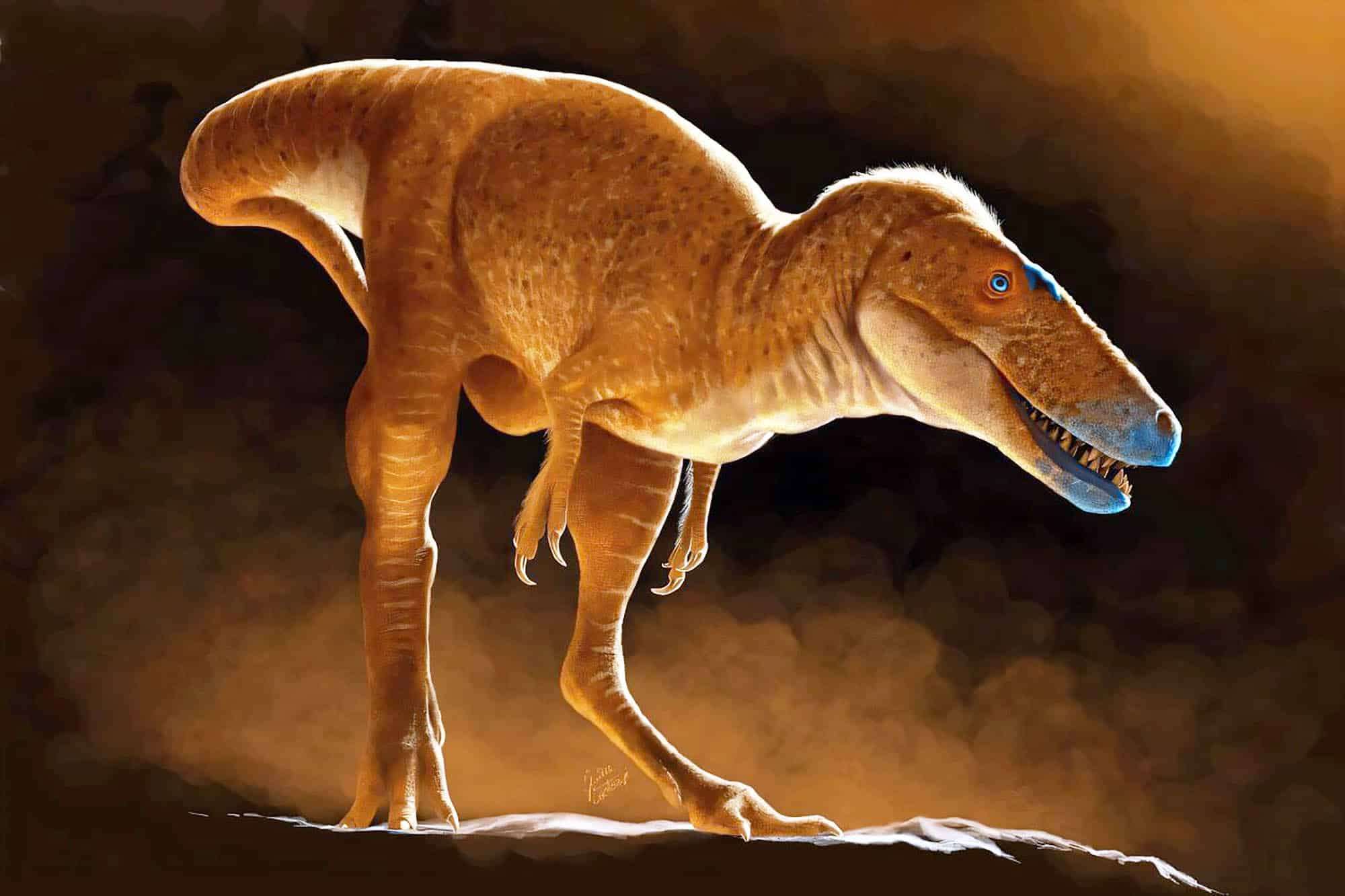
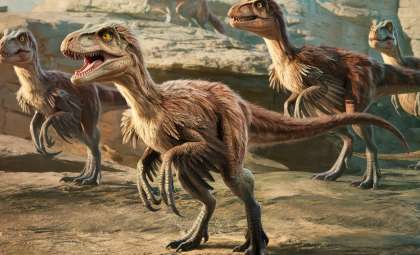
A recent paper in Nature outlines how Khankhuuluu mongoliensis lived amidst ecological shifts when dominant apex predators were declining. Unlike the later massive Tyrannosaurus rex, Khankhuuluu was a mesopredator—built for speed and agility rather than sheer power. Weighing around 750 kilograms, roughly equivalent to a modern horse, this dinosaur prioritized swift movement over brute force.

Researchers describe it as a nimble hunter with elongated limbs well-suited to pursuing smaller prey, supported by keen sensory capabilities. Its long, shallow skull lacked the bone-crushing bite strength found in larger tyrannosaurs. Instead, it relied on outpacing and outmaneuvering prey, much like today’s coyotes.
Ecologically, Khankhuuluu likely occupied the role of a fast and adaptable predator exploiting niches left open by disappearing larger carnivores.
A Long-Overlooked Fossil Reclassified
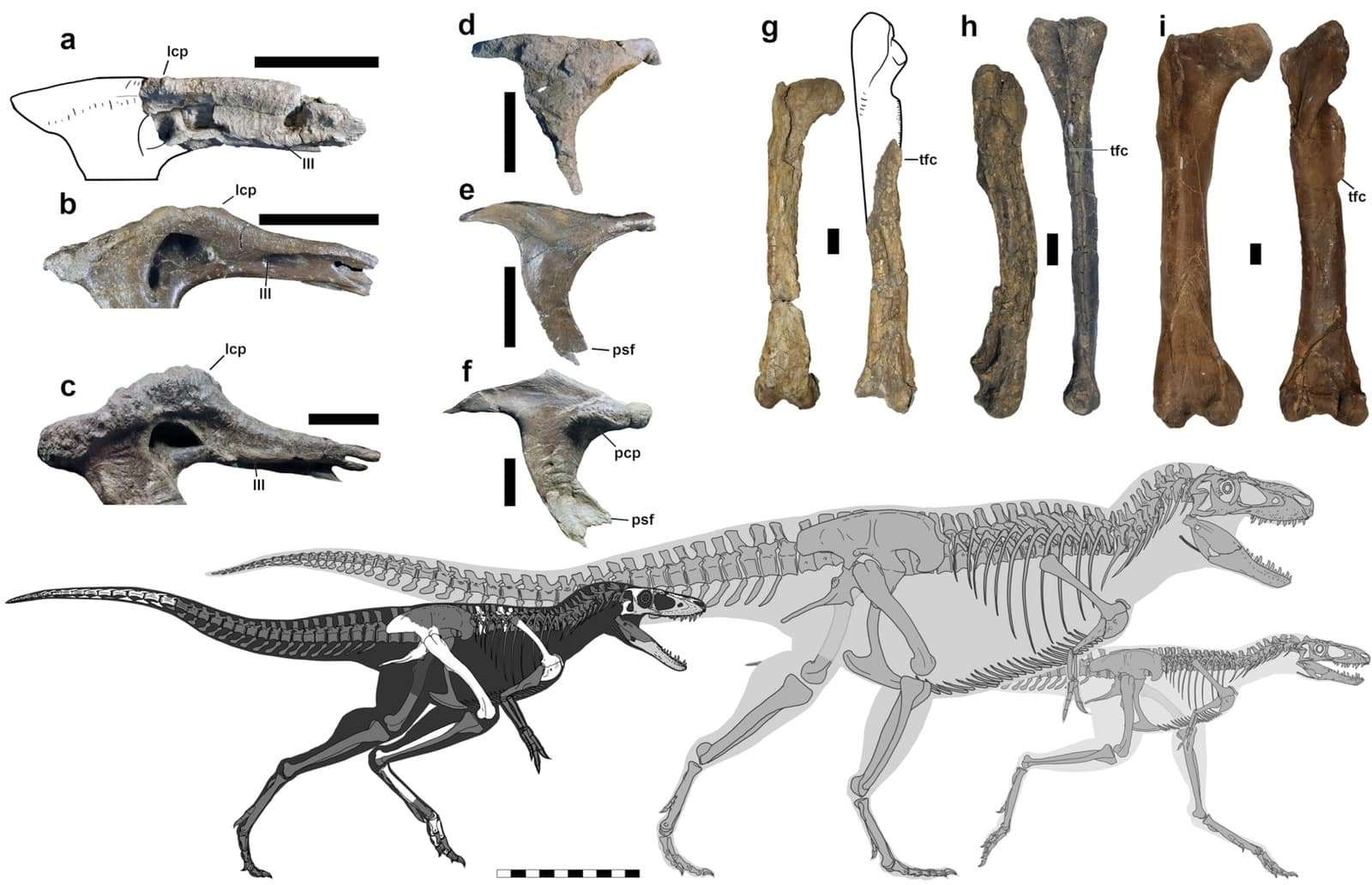
The fossils of Khankhuuluu aren’t recent discoveries; they were initially uncovered in the 1970s by Mongolian paleontologist Altangerel Perle from the same Bayanshiree site. For many years, experts mistakenly classified the bones as belonging to Alectrosaurus, a related species found primarily in China. Consequently, the specimen’s true importance remained hidden.
Only in 2023 did Jared Voris, a doctoral researcher at the University of Calgary, re-examined the fossils. Along with paleontologist Dr. Darla Zelenitsky, Voris identified distinctive skull and limb traits that warranted a detailed reassessment.
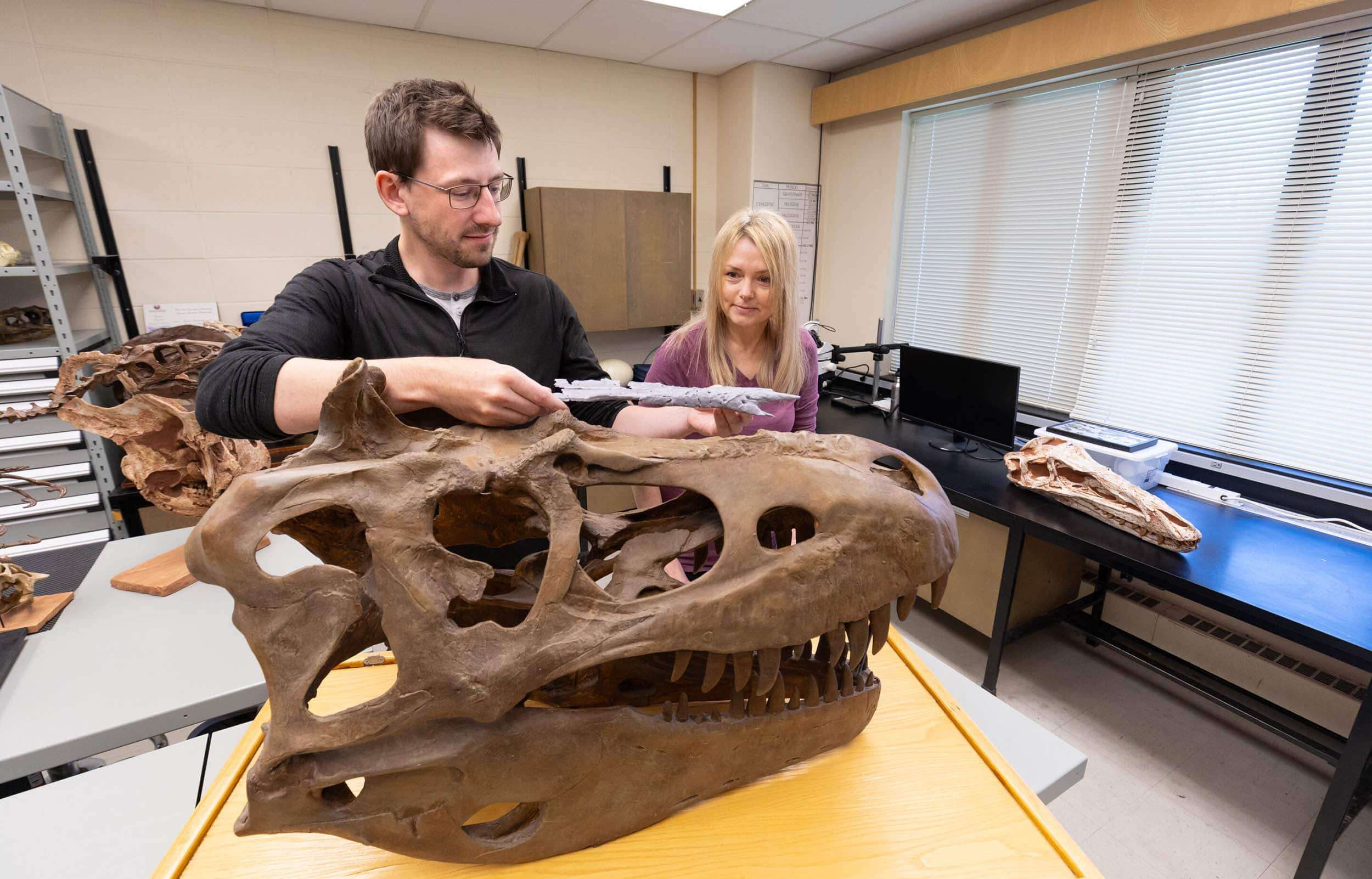
Detailed study at Mongolia’s Institute of Paleontology confirmed the fossils belonged to a previously unrecognized species rather than Alectrosaurus. This led to naming the dinosaur Khankhuuluu mongoliensis, meaning “prince of dragons” in Mongolian, reflecting its pivotal role in tyrannosaur ancestry. This discovery offers new perspectives on the evolutionary steps leading from smaller, agile hunters to the giant carnivores we know today.
Tracing Tyrannosaur Journeys Across Continents
The importance of Khankhuuluu extends beyond its Mongolian origins. Co-author Dr. Zelenitsky highlights that Khankhuuluu or its close kin likely migrated to North America around 85 million years ago. This relocation was a critical chapter in tyrannosaur evolutionary history, setting the stage for the rise of some of the globe’s deadliest predators.
This intercontinental movement not only established tyrannosaur dominance on both continents but also paved the way for the species’ diversification. As tyrannosaurs adapted to new habitats, two major evolutionary branches arose: one comprising massive apex predators with powerful jaws, and another that stayed medium-sized with elongated snouts.
The migration event is crucial for understanding tyrannosaur spread and evolution, illustrating that their development was shaped by geographic dispersal and diverse evolutionary pathways rather than a simple linear progression.
- Categories:
- Science










0 comments
Sign in to Comment