
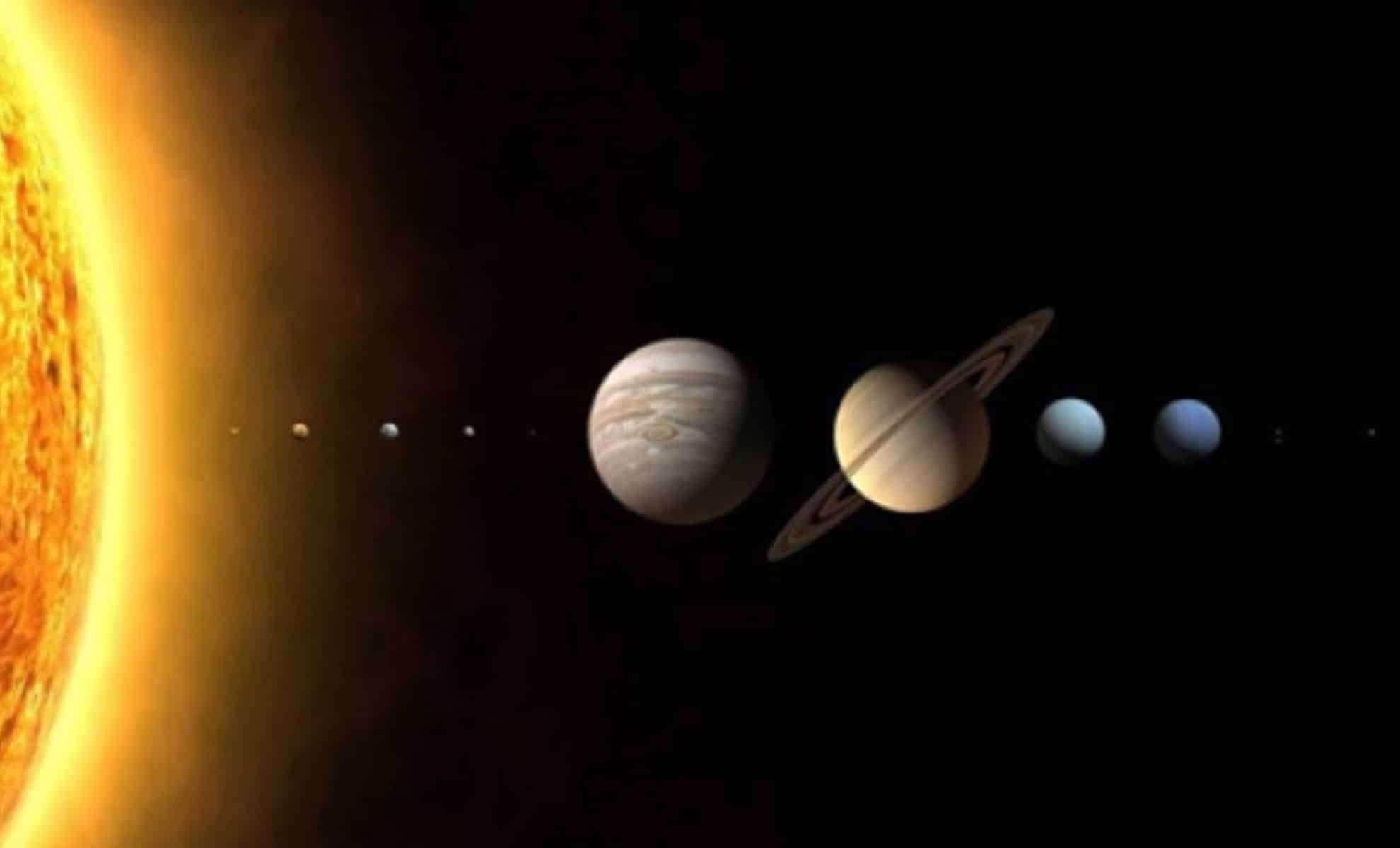
The dawn of 2025 brings an exceptional astronomical event as Venus, Saturn, Jupiter, and Mars line up in a rare planetary alignment visible throughout January. Skywatchers will delight in viewing these four radiant planets arranged along a singular path, creating an unforgettable spectacle for avid astronomers and casual night sky enthusiasts alike.
Tracing their orbits along the ecliptic, these planets showcase the elegant harmony of our solar system’s motion. This remarkable procession is not only a feast for the eyes but also an invitation to observe the synchronized journey of these planetary neighbors orbiting the Sun.
Understanding the Planetary Alignment
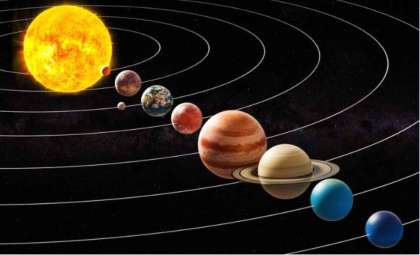
The phenomenon occurs because all the planets orbit roughly within the same flat plane known as the ecliptic, the Sun's perceived path across our sky. From Earth’s viewpoint, their positions occasionally line up, resulting in an impressive visual chain where the planets appear close together or neatly aligned.

“This is, incidentally, why we sometimes observe planets appearing to approach closely to each other in the sky, as we view them along a line while they careen around the cosmic racetrack,” NASA clarifies. Despite their apparent nearness, these planets maintain vast separations and travel distinct orbits at varying speeds.
How to View the January Planetary Alignment
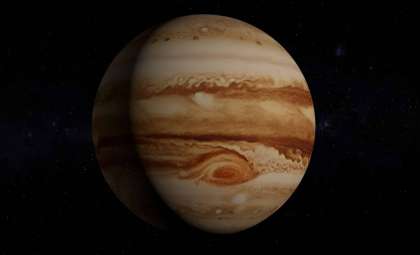
After sunset, direct your gaze southwest to catch this spectacular event. Positioned in the sky:
Observers armed with telescopes might also glimpse Uranus and Neptune near the planetary lineup, enriching the viewing experience.
Important Dates to Mark
- Early January: Venus and Saturn start converging in the southwest.
- Mid-January (17-18): Closest approach of Venus and Saturn before they begin to diverge.
- Throughout January: Mars reaches opposition, presenting its brightest display.
Optimal conditions for watching this event include dark, clear skies with limited light interference.
Mars Opposes the Sun
A major feature of this alignment occurs as Mars reaches opposition — a configuration where Mars stands directly opposite the Sun from Earth’s vantage point. This positioning causes Mars to shine with increased brightness and apparent size.
During opposition, Mars’s vivid crimson color becomes unmistakable. Telescope users may observe details such as its polar ice caps or massive dust storms, providing an excellent opportunity to study the Red Planet closely.
Significance of the Planetary Alignment
Witnessing four prominent planets arranged in the sky is a rare and breathtaking experience. This planetary alignment highlights the dynamic and precise motions governing the solar system, offering a vivid demonstration of celestial mechanics.
Beyond its visual spectacle, this event serves as a learning moment, showcasing the ecliptic and planetary orbits, and offering a window into the vast universe surrounding us.
Maximizing the Planetary Viewing Experience
Enhance your observation by keeping these tips in mind:
- Select a clear night: Aim for evenings without cloud coverage to ensure clear sightlines.
- Find a dark sky location: Avoid urban light pollution for the best views.
- Bring binoculars or telescopes: Use optical tools to observe planetary details more closely.
- Utilize stargazing apps: Identify planets and track their positions effortlessly.
- Plan your viewing time: Early evening after sunset is prime for spotting the alignment.
Experience This Rare Celestial Event
The January 2025 planetary parade promises a captivating glimpse into the universe’s wonders. Venus, Saturn, Jupiter, and Mars will grace the night sky in remarkable formation, delivering both a stunning display and a moment of cosmic connection.
No matter how you choose to observe—through a telescope or with the naked eye—don’t miss this chance to witness the solar system’s graceful dance in the heavens.
- Categories:
- News







0 comments
Sign in to Comment