
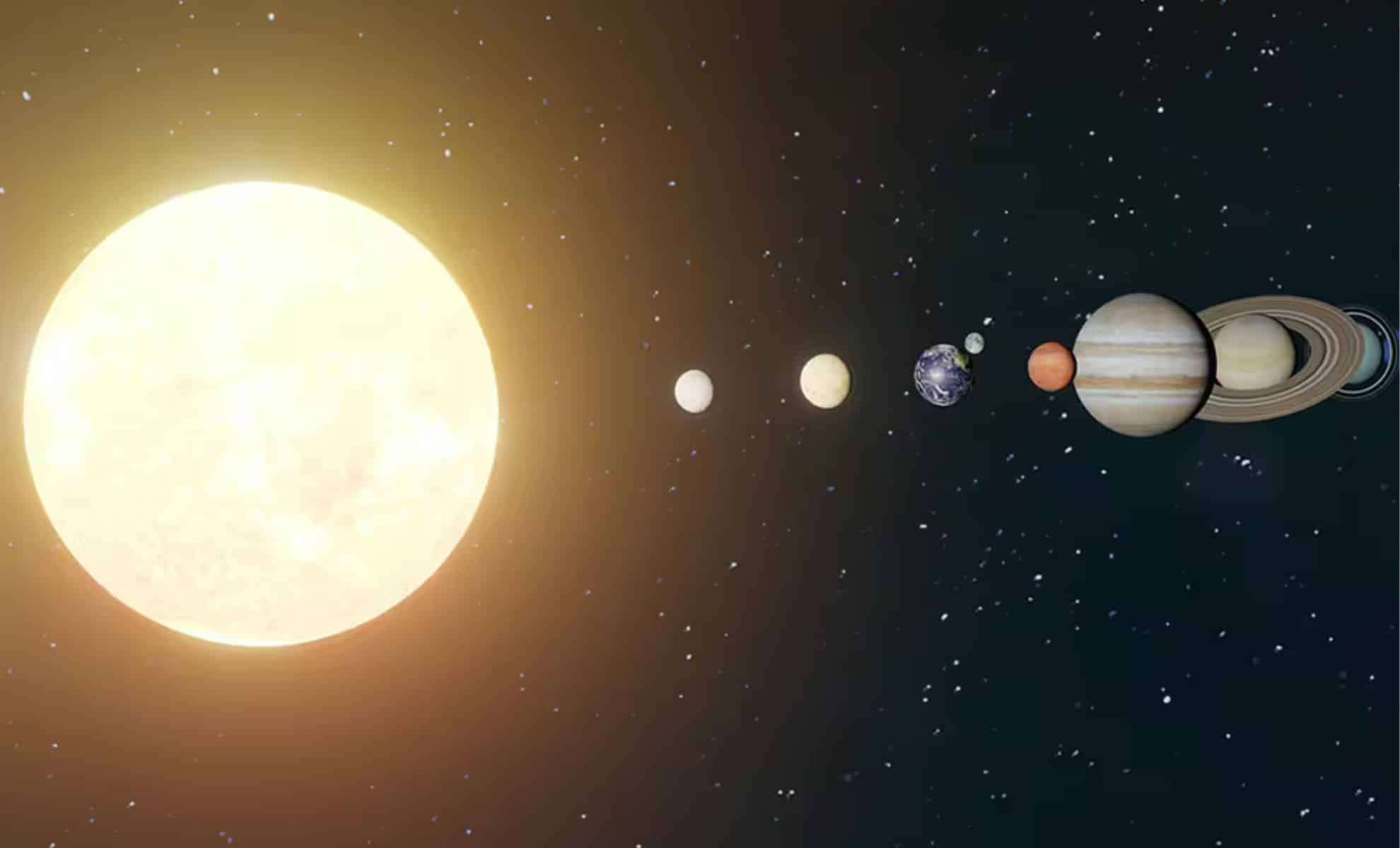
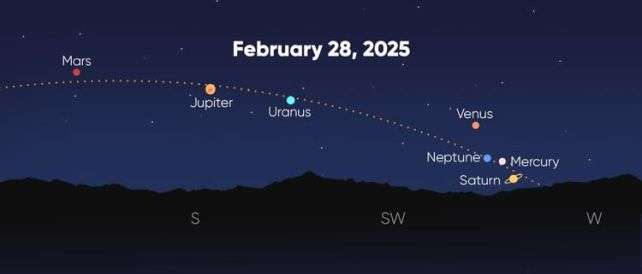
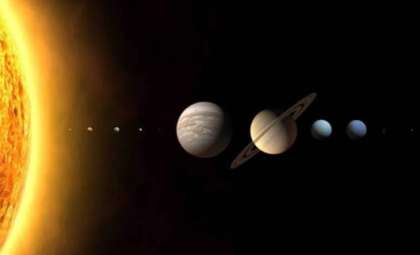
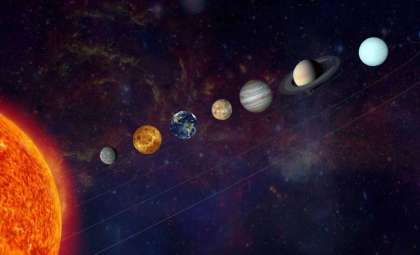
A stunning celestial event is on the horizon for astronomy enthusiasts. This week brings a rare opportunity to witness a seven-planet lineup across the night sky. Mercury, Venus, Mars, Jupiter, Saturn, Uranus, and Neptune will align along the ecliptic plane, a phenomenon that only happens every few years. While planetary groupings are not unusual, having seven planets aligned simultaneously is an extraordinary occurrence, visible on the evening of February 28, 2025.
An Uncommon Celestial Phenomenon
As reported by ScienceAlert, this planetary arrangement ranks among the year's most remarkable astronomical spectacles. Such alignments happen when planets cluster on one side of the Sun, forming an arc-like pattern in the sky. Although three or four-planet conjunctions happen with relative frequency, observing seven planets together is truly exceptional.
The planets won't form a perfectly straight line, as often seen in illustrations, but will be positioned along the ecliptic—the invisible plane of their orbits around the Sun. Despite this slight spread, the event remains a magnificent cosmic display, accessible to anyone with clear skies and the proper viewing aids.

Understanding Why Planetary Alignments Occur
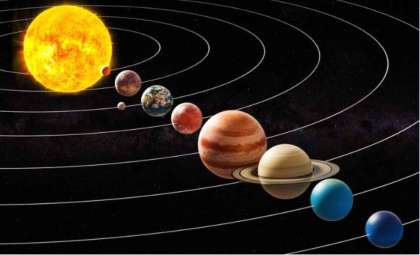
Planetary alignments are rooted in the solar system's formation history. Billions of years ago, the Sun was encircled by a spinning disk of gas and dust that eventually condensed into planets. This disk’s flat shape means planets orbit within the same plane, the ecliptic.
As planets travel at different speeds in their orbits, their positions occasionally converge when observed from Earth. The upcoming seven-planet alignment happens because these planets currently share overlapping points along their orbits, creating this rare and awe-inspiring event.
Tips for Observing the Planetary Alignment
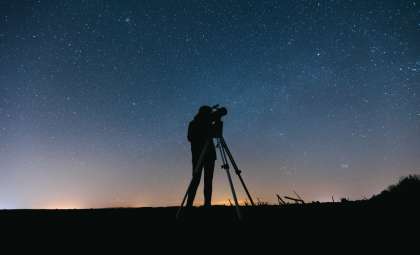
Your ability to see all seven planets will vary depending on geographic location, weather conditions, and ambient light pollution. Viewers in the Northern Hemisphere will have especially favorable conditions just after sunset, when the planets first become visible in the darkening sky.
To improve your chances of spotting these worlds, consider utilizing these helpful tools:
- Time and Date offers interactive sky maps pinpointing planet visibility times and locations.
- Stellarium provides a real-time digital planetarium experience tailored to any location.
- Sky Tonight is a mobile app that identifies celestial bodies by pointing your phone at the sky.
While Venus, Jupiter, and Mars shine bright enough to see without equipment, Uranus and Neptune will require binoculars or a telescope to discern. For optimal viewing, find a dark spot far from city illumination.
The Rarity of a Seven-Planet Gathering
The occurrence of planetary alignments depends heavily on the number of planets involved. Alignments of three or four planets happen multiple times per decade, but those featuring six or seven planets are far less common. The last time seven planets were aligned visibly was in 2016, with the next prominent events scheduled for 2036 and 2040.
This particular alignment is especially notable because it includes the outer planets Uranus and Neptune, whose lengthy orbits of 84 and 165 years respectively, make multi-planet lineups involving them exceedingly rare — enhancing the importance of this celestial occasion.
- Categories:
- News









0 comments
Sign in to Comment