
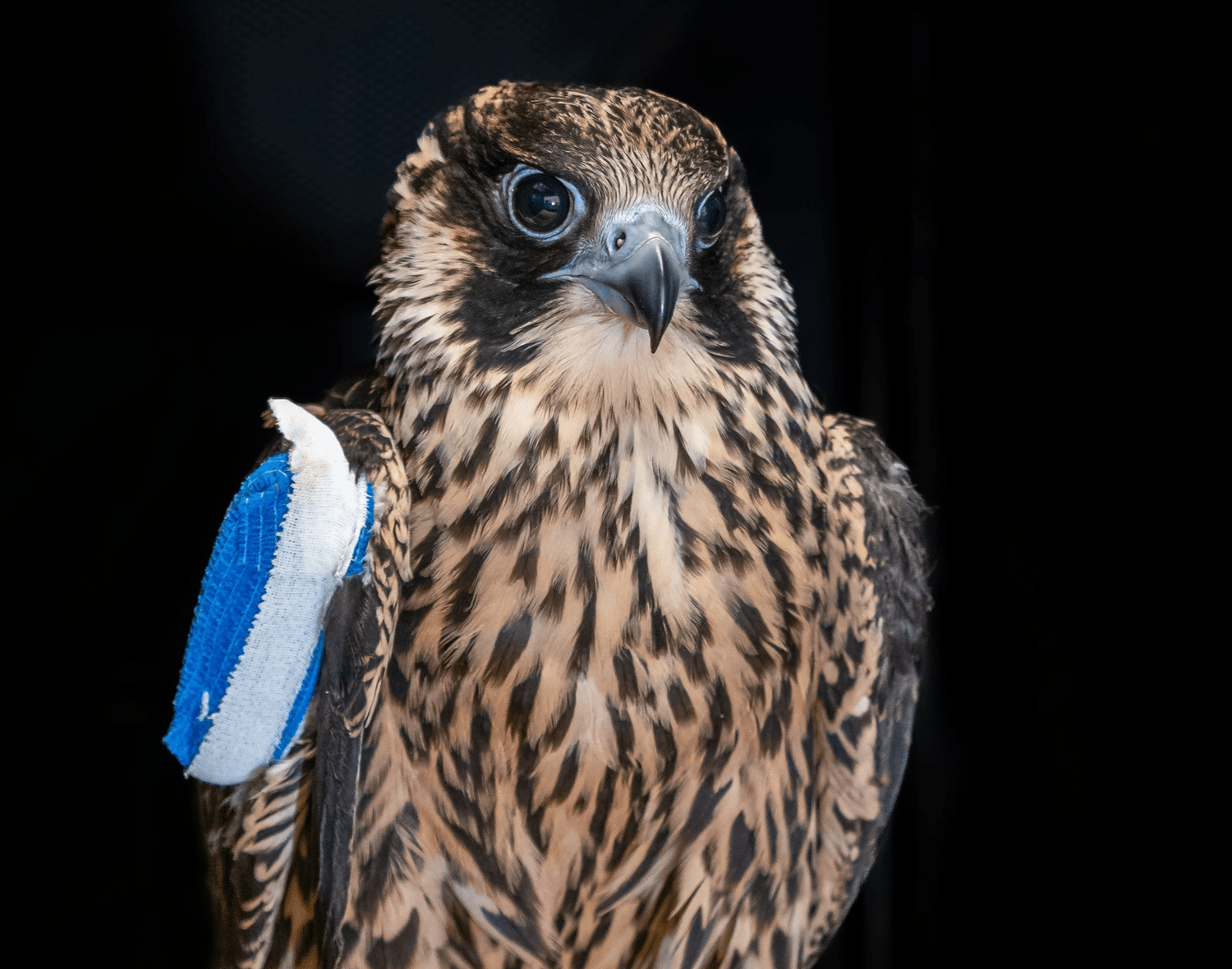
In July 2024, rescuers discovered a peregrine falcon injured at Berkeley Marina, California. The bird, named Equinox but nicknamed “Nox,” suffered a critical break in its right wing. Years ago, such a wound would likely have been fatal, especially for a raptor living in the wild. Yet thanks to cutting-edge veterinary techniques, Nox's fate became one of hope rather than loss.
Immediately after being found, Nox was taken to the University of California, Davis Veterinary Medical Teaching Hospital. There, veterinarians tackled the difficult task of repairing several fragile fractures in the falcon’s wing. Dr. Michelle Hawkins, head of the California Raptor Center at UC Davis, noted, “Using specialized orthopedic materials, we were able to piece together tiny bones comparable to those in a human’s pinky finger, providing the support crucial for Nox’s healing.”
The success of this operation highlighted major strides in veterinary orthopedics, echoing other recent advancements such as cutting-edge cognitive therapies for domestic cats.

Recovery journey and unforeseen obstacles
Post-surgery, Nox entered a comprehensive rehabilitation program at the California Raptor Center. A seasoned falconer tailored exercises aimed at gradually restoring the bird’s flight capability in hopes of eventual release. At first, prospects for Nox flying freely again were uncertain. However, the falcon’s steady improvement was truly inspiring.
Bill Ferrier, vet, falconer, and former California Raptor Center director, reflected, “The wing injury was a major handicap, similar to someone struggling to walk on a broken leg. We weren’t confident about release, but with every flight, he improved dramatically... his muscles were intact, just needing reactivation.”
Nox’s rehabilitation included:
- Targeted physical therapy to rebuild wing strength
- Structured flight training sessions
- Incremental increases in flight time and complexity
- Careful nutritional management
The falcon’s remarkable progress gave the medical team renewed optimism, demonstrating the power of modern techniques combined with expert rehabilitation practices.
A poignant release and harsh realities
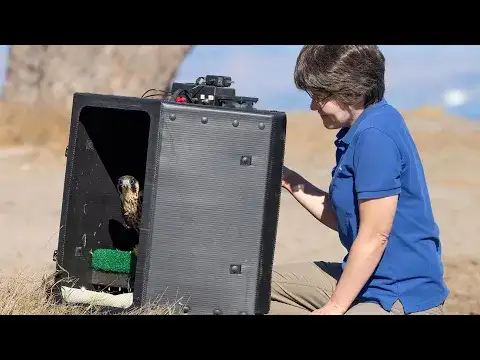
On October 19, 2024, after months of dedicated care, Nox was released into a protected coastal area. To keep track of the falcon’s adaptation back to the wild, veterinarians equipped Nox with a GPS tracking device. Initial data was promising, showing the bird covering over 80 miles within days—an encouraging sign of recovery.
Yet the situation quickly changed. Just two days later, on October 21, Nox had to be recaptured due to severe weight loss, a stark reminder of the challenges wildlife face after medical treatment. This event underlined the complexity of wildlife rehabilitation, where physical healing does not always guarantee survival in nature.
Below is a summary of Nox’s timeline:
Date Event July 2024 Nox discovered injured at Berkeley Marina July-October 2024 Surgery and recovery at UC Davis October 19, 2024 Released into coastal habitat October 21, 2024 Recaptured due to severe emaciation October 23, 2024 Nox’s death announced
Enduring influence on wildlife care
Sadly, on October 23, 2024, Nox passed away, a loss deeply felt by the California Raptor Center team. Despite this outcome, Nox’s experience has notably influenced veterinary medicine by highlighting both extraordinary advances and the ongoing difficulties in rehabilitating wild animals.
Nox’s case has driven further investigation into post-release support and monitoring of rehabilitated species. It stresses the vital importance of balancing medical treatment with understanding how animals acclimate to their environments. This insight is critical not only for raptors but for all wildlife undergoing recovery.
The innovations applied in Nox’s care resonate beyond birds. For example, in France, a prosthetic limb was fitted to a 180 kg deer, saving its life. These veterinary accomplishments complement research in animal behavior, seen in studies like recent discoveries about chimpanzee behavior and disease control.
While Nox’s tale ended in heartbreak, it stands as a testament to the progress of veterinary science and the hope it offers injured wildlife. It also underscores the critical need for ongoing research aimed at improving survival outcomes following rehabilitation.
- Categories:
- Science ,
- Science ,
- Evolution ,
- Evolution










0 comments
Sign in to Comment