

A remarkable astronomical event is poised to dazzle observers across the mid-latitude regions of the United States and Europe.
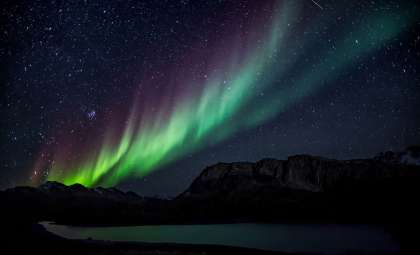
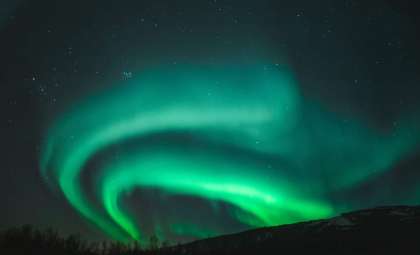
The Space Weather Prediction Center at NOAA has issued an alert for an impending geomagnetic storm rated G3, signaling the potential for the aurora borealis—or Northern Lights—to be visible unusually far south in states like Illinois, Oregon, and Pennsylvania.
This extraordinary event stems from recent solar storms, including a particularly intense phenomenon known as a “cannibal CME,” where solar ejections combine to form a powerful wave of charged particles heading toward Earth. This could create rare opportunities for aurora sightings well beyond the Arctic Circle.

Understanding Solar Eruptions and the Cannibal CME
Our sun has entered a highly active phase, unleashing multiple M-class solar flares that propel plasma and magnetic fields into space. Among these, the “cannibal CME” is notable for its unique behavior.
This occurs when a swifter coronal mass ejection overtakes a slower one, blending into an amplified burst of energized particles. NOAA forecasts these solar storms to make contact with Earth's magnetosphere between July 30 and early August 1, potentially igniting a geomagnetic storm rated G3.
These solar ejections carry charged ions that interact with Earth's magnetic shield on arrival. This interaction sparks geomagnetic disturbances that excite atmospheric gases, producing luminous auroral displays.
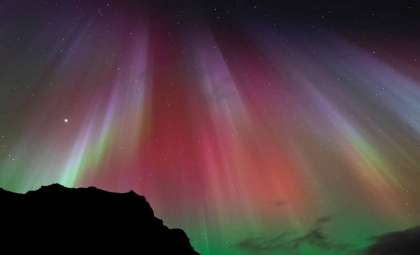
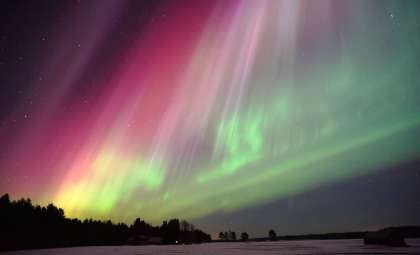
The “cannibal CME” alongside subsequent solar events could considerably disturb Earth's magnetic environment, resulting in vivid auroras visible at much lower latitudes than usual. The G3 classification implies a moderate to strong storm, extending the Northern Lights viewing zone to include regions usually deprived of this spectacle.
How to Experience the Aurora and Stay Safe
For those eager to catch this awe-inspiring celestial display, choosing the right time and place is essential. Geomagnetic storms of this level can produce brilliant auroral lights visible across wide areas of the sky. To enhance your chances, seek out locations with low artificial light—ideally dark rural spots or recognized dark sky reserves. Optimal viewing also depends on cloud-free skies, so monitor weather conditions and utilize space weather monitoring apps such as “My Aurora Forecast & Alerts” or “Space Weather Live” to obtain live updates and personalized forecasts.
While primarily a dazzling visual phenomenon, geomagnetic storms can also impact technology, including satellite operations, navigation systems, and electrical grids. Stronger geomagnetic activity has the potential to briefly disrupt these infrastructures. The projected G3 storm might produce minor disturbances, though infrastructure is typically prepared to handle such events.
Space weather expert Tamitha Skov highlighted the event's significance, pointing out that the cluster of solar storms could push auroras farther south than usual. She stated, “It may not be as intense as the Gannon Storm back on May 10, but this compression of multiple back-to-back storms has at least G3 if not G4-level potential.” This suggests the upcoming auroral displays could rival some of the most impressive recent events.
With at least three if not four Earth-directed #solarstorms launched earlier today, this is sure to be the icing on the cake. It may not be as intense as the Gannon Storm back on May 10, but this compression of multiple back-to-back storms has at least G3 if not G4-level… https://t.co/cYnDnPNqig
— Dr. Tamitha Skov (@TamithaSkov) July 28, 2024
Getting Ready for the Aurora Event
As the solar storm approaches, it’s vital for skywatchers and space weather enthusiasts to keep informed. Factors like exact CME impact timing and atmospheric conditions affect aurora visibility and intensity. Although space weather apps and monitoring services can offer timely updates, the nature of auroras means sudden changes can occur.
To fully enjoy the event, plan to be outside during evening and nighttime hours when geomagnetic activity peaks. Exercising patience is important, as auroras may appear intermittently. Dressing warmly, securing a cozy viewing spot, and having photography gear ready will enrich the overall experience.
This infrequent chance to observe the Northern Lights far beyond their usual locations offers a stunning display of one of Earth's most captivating natural wonders.
- Categories:
- Astronomy ,
- News ,
- Space





0 comments
Sign in to Comment