
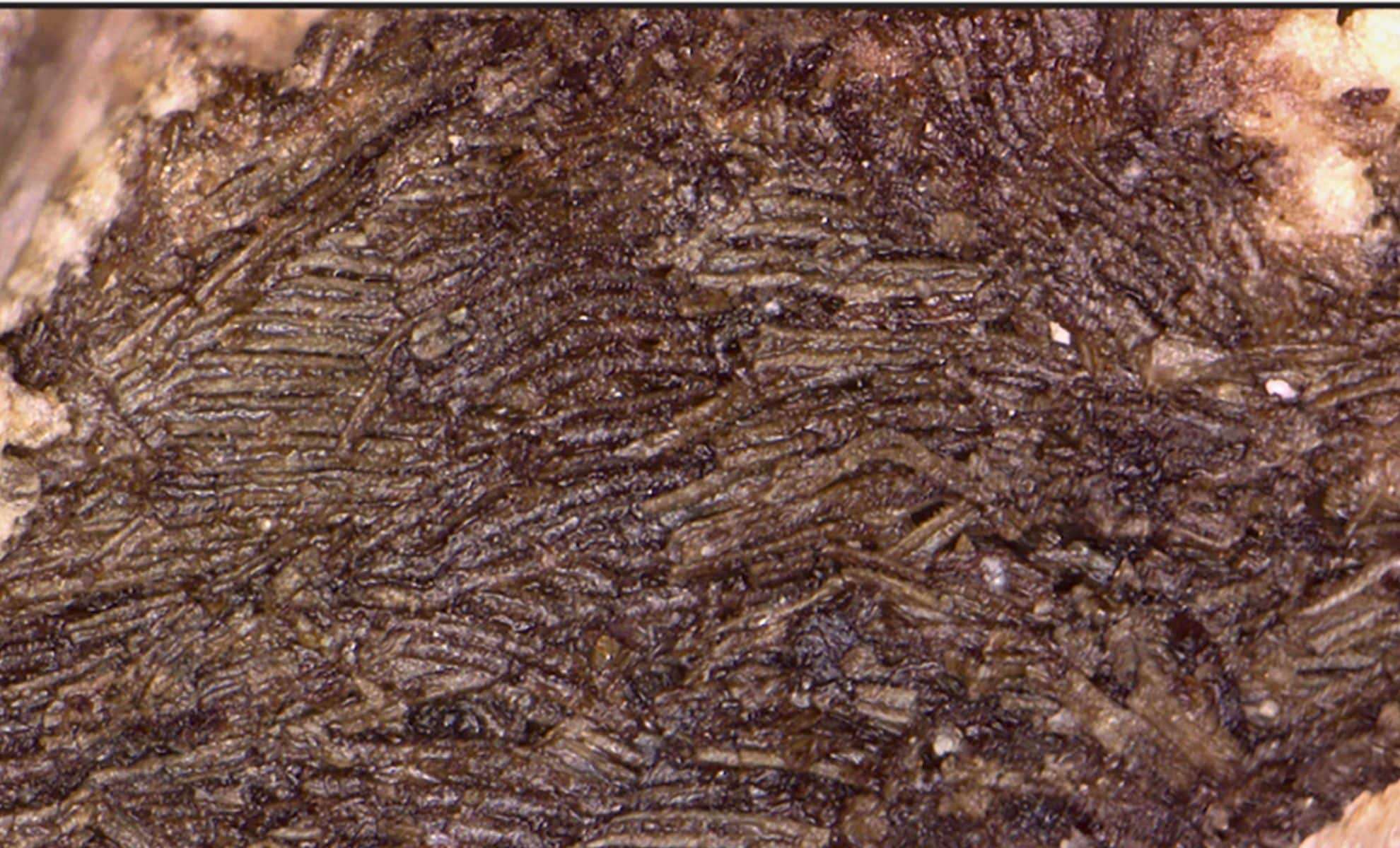
A piece of fossilized reptile skin discovered in an Oklahoma cave is transforming scientists’ insights into early terrestrial life. Estimated to be almost 300 million years old, this specimen now holds the title of the oldest preserved skin ever documented, exceeding prior records by more than 21 million years.
Leading the investigation, a team from the University of Toronto detailed their findings in a paper published in Current Biology. The preserved skin offers vital evidence illuminating how early vertebrates adapted to terrestrial environments.
Remarkable Preservation in a Tar-Soaked Cave Environment
The fossil originates from the well-known Richards Spur limestone cave system in Oklahoma, renowned for its wealth of Paleozoic fossils. This site’s extraordinary condition stems from a unique mix of low oxygen levels, fine clay sediments, and persistent petroleum seepage linked to nearby shale deposits. These elements combined to safeguard delicate soft tissue remains, including skin, from deterioration over several hundred million years.

Ethan Mooney, one of the study’s authors, described the site as a natural time capsule. He noted, “During the Permian, this cave system was an active location for oil seepage. The interaction between petroleum hydrocarbons and tar likely played a key role in preserving the skin.” The fossil became enveloped in tar and oil originating from the Woodford Shale, which created a protective barrier against microbial decay.
Tiny Fossil With Big Significance
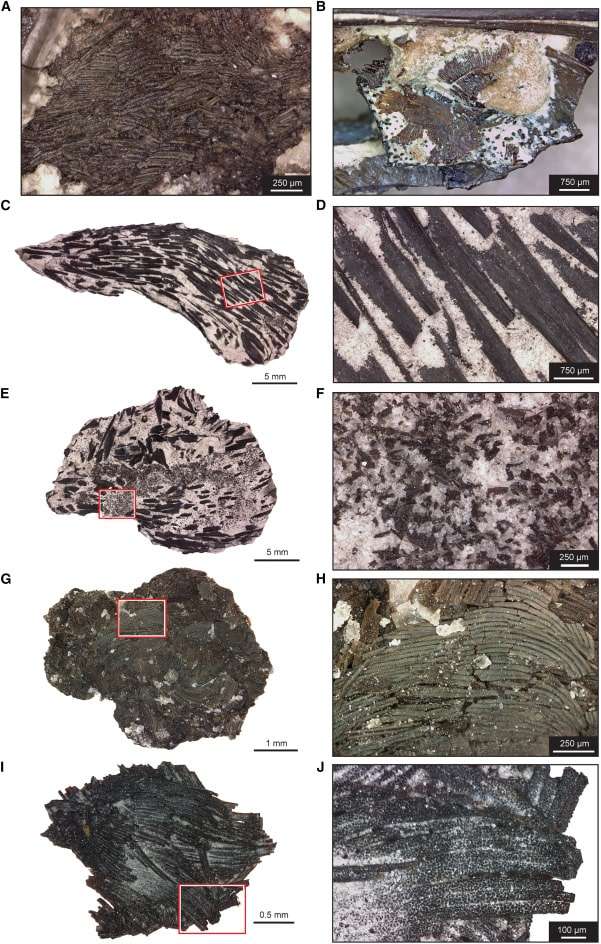
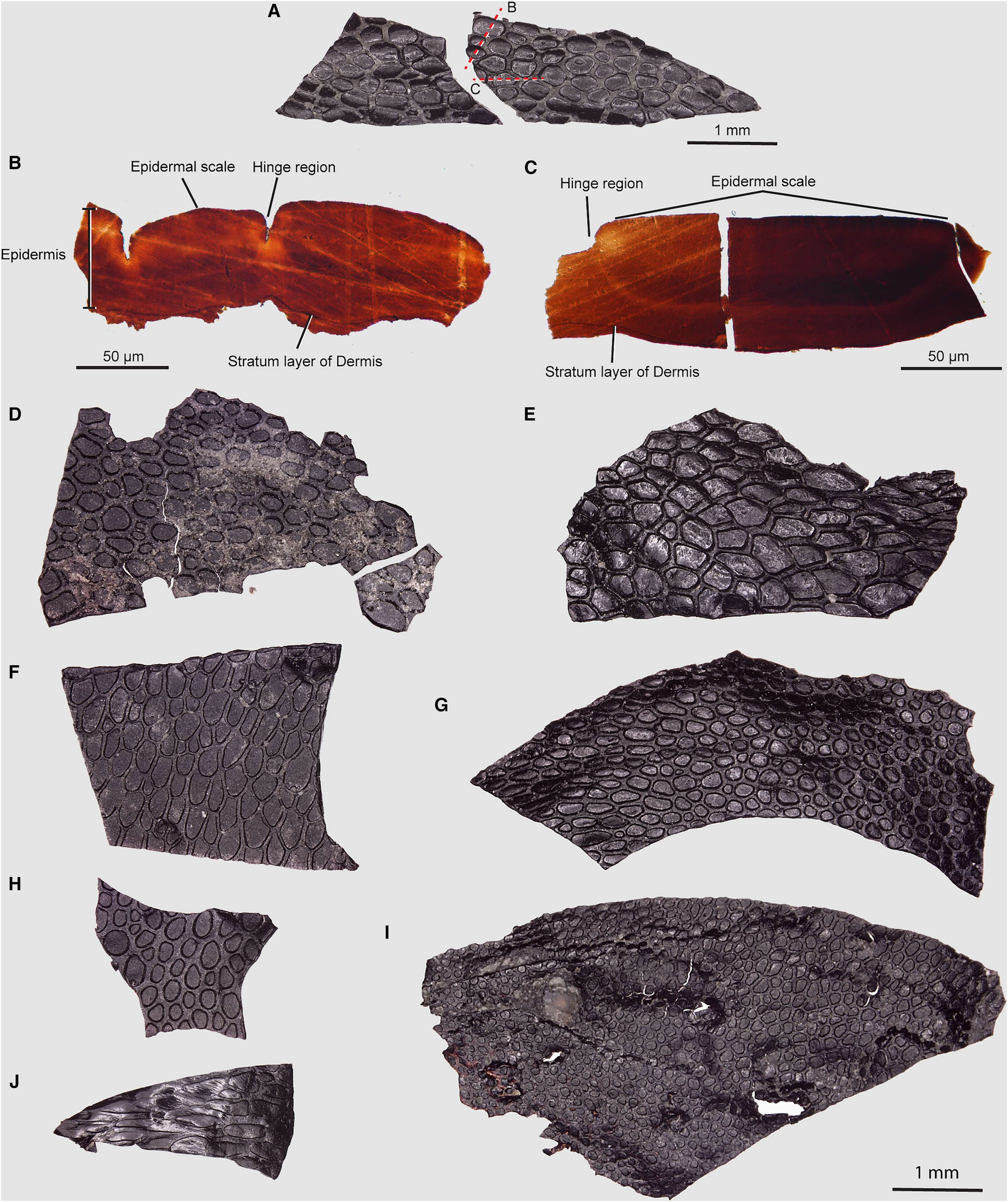
This fragment of fossilized skin is so minute it could easily have been overlooked. Found in 2018 by fossil hobbyists Bill and Julie May, it lay among numerous other discoveries from the Richards Spur site. Initially, it resembled a small bone shard. But under microscopic examination, distinctive scale patterns and flexible hinge regions emerged—traits similar to those that enable modern reptiles to move and grow.
What sets this fossil apart isn’t just its age, but the exceptional preservation of both the outer epidermis and inner dermis. This rare degree of soft tissue conservation provides unprecedented insight into how the earliest land vertebrates biologically coped with terrestrial life.
Because no skeletal remains were discovered alongside the skin, the exact species remains unidentified. However, the likely origin is Captorhinus aguti, a small, lizard-like reptile known for its distinctive overbite. This species’ fossils are the most common in Richards Spur, making it the prime candidate.
Extremely Rare Evidence of Early Terrestrial Adaptations
The discovery of such exquisitely preserved skin enables researchers to deepen their understanding of how amniotes evolved features suited for life in dry, land-based habitats. Mooney emphasized, “The epidermis was essential for vertebrates living on land, acting as a vital barrier protecting internal organs from the external environment.”
The fossil displays a striking resemblance to modern reptilian skin, particularly with its scaled surface and jointed structures. Paleontologist Phil Bell, uninvolved in the original study, remarked that this suggests the complex architecture of reptilian scales has remained largely unchanged over hundreds of millions of years.
Soft tissue fossils like this are exceedingly uncommon, especially from such an ancient era. Previous well-preserved skins have mostly come from younger sites in Russia and South Africa, and none have undergone analysis as comprehensive as this specimen. Though diminutive in size, this relic of prehistoric skin holds crucial information linking the distant past to present-day evolutionary biology, unlocking secrets that science is only beginning to unravel.
- Categories:
- News












0 comments
Sign in to Comment