
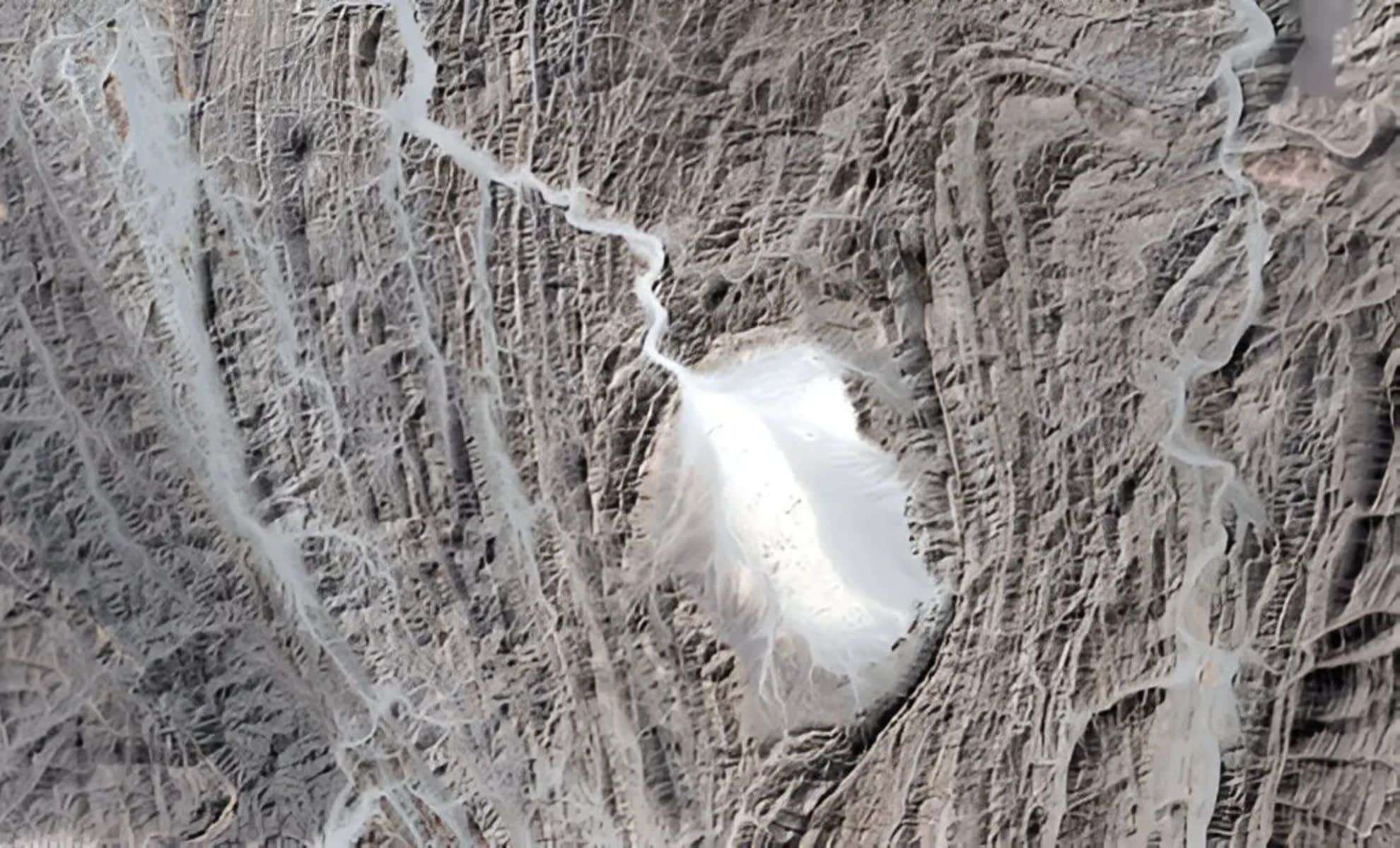
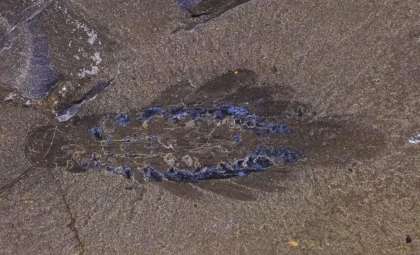
Researchers have identified the most ancient fossilized animal sperm ever recorded, preserved within a 50-million-year-old cocoon discovered in Antarctica. This finding extends the known existence of fossil sperm by an impressive 10 million years.
Groundbreaking Find from the Antarctic Region
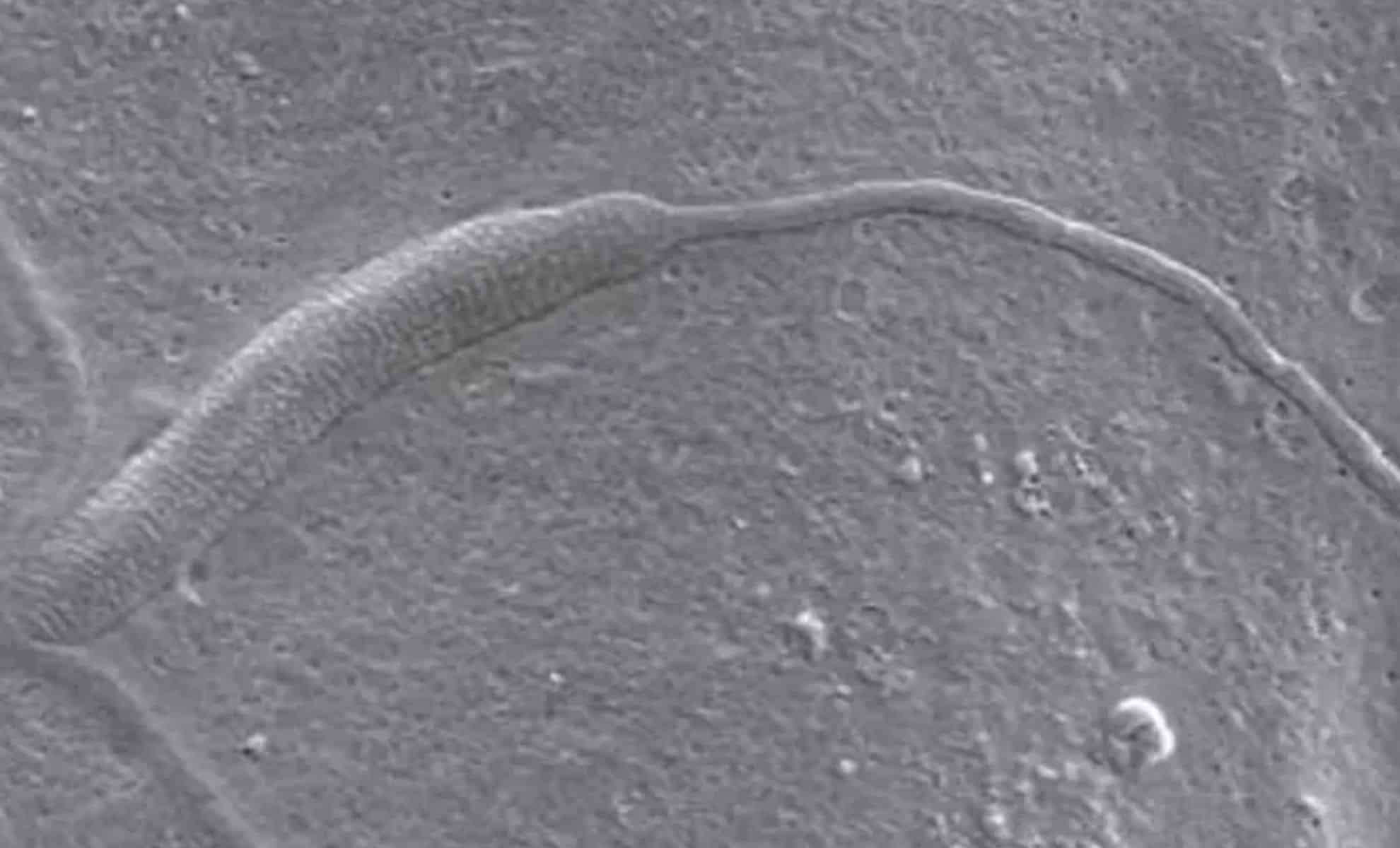
The breakthrough came from Dr. Benjamin Bomfleur and his team at the Swedish Museum of Natural History. The sperm originates from an animal related to earthworms and leeches and was encased in a cocoon that remained intact for millions of years. Dr. Bomfleur highlighted the rarity of this discovery, noting that sperm cells are fragile, short-lived, and composed of delicate cellular structures, which rarely survive fossilization.
Published in Biology Letters, this discovery unveils an extraordinary form of preservation. These sperm fossils predate previously known samples by about 10 million years. While plant fossil sperm have been found before, examples from animals are extremely scarce.

Links to Contemporary Crayfish-Associated Worms
The fossilized sperm exhibit strong similarities to sperm from modern crayfish worms—species that feed on materials found on crayfish exteriors. Both belong to the same lineage as the extinct species responsible for the discovered cocoon.
Though the originating species is now extinct, the exceptional preservation offers an unprecedented chance to analyze sperm morphology from that era. However, the sperm’s original organic matter is no longer present despite the preserved external form.
Dr. Bomfleur stated, “There is a possibility that the internal anatomical details of the sperm cells remain intact, but confirming this requires x-ray scanning.” This opens the door for detailed exploration of ancient sperm cells’ microscopic features.
An Unexpected Scientific Treasure
This valuable fossil emerged by chance when Dr. Stephen McLoughlin, a paleontologist working with Bomfleur, was examining rock specimens from Antarctica. “These surprises frequently occur and are part of the excitement in scientific research,” remarked Dr. Bomfleur. McLoughlin’s meticulous attention led to the unexpected discovery.
While the team had prior experience studying fossilized cocoons due to their potential microbial contents, uncovering sperm cells within one was entirely unforeseen. This lucky find paves the way for additional investigations into ancient cocoons and their role in uncovering prehistoric biological secrets.
Revolutionizing Insights on Evolutionary History
Looking ahead, the researchers intend to expand their study of ancient cocoons, hopeful for further revelations. Their work underscores the value of systematic examinations of these structures as they could offer a rare glimpse into the evolutionary past of soft-bodied microorganisms, many of which left no conventional fossil record. Such research promises to enrich our knowledge of early Earth life forms that have long gone unrecognized in paleontology.
- Categories:
- News


0 comments
Sign in to Comment