
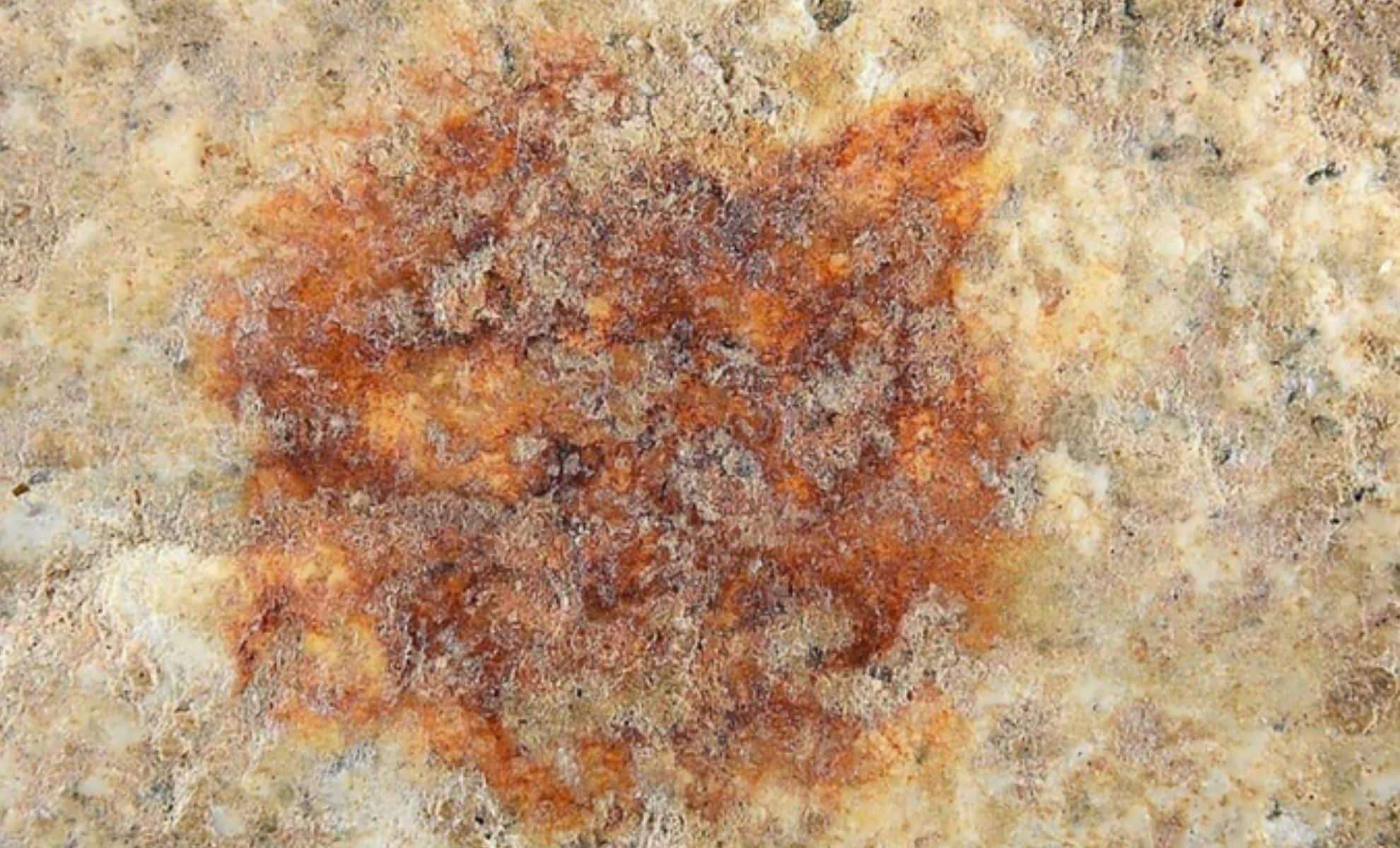
A recent find in Spain is reshaping perceptions of Neanderthal ingenuity. Researchers have discovered a stone fragment bearing red pigment, identified as the oldest complete human fingerprint ever documented. This prehistoric print, dated to approximately 43,000 years ago, might represent the earliest known artwork crafted by Neanderthals.
Evidence of Deliberate Artistic Intent
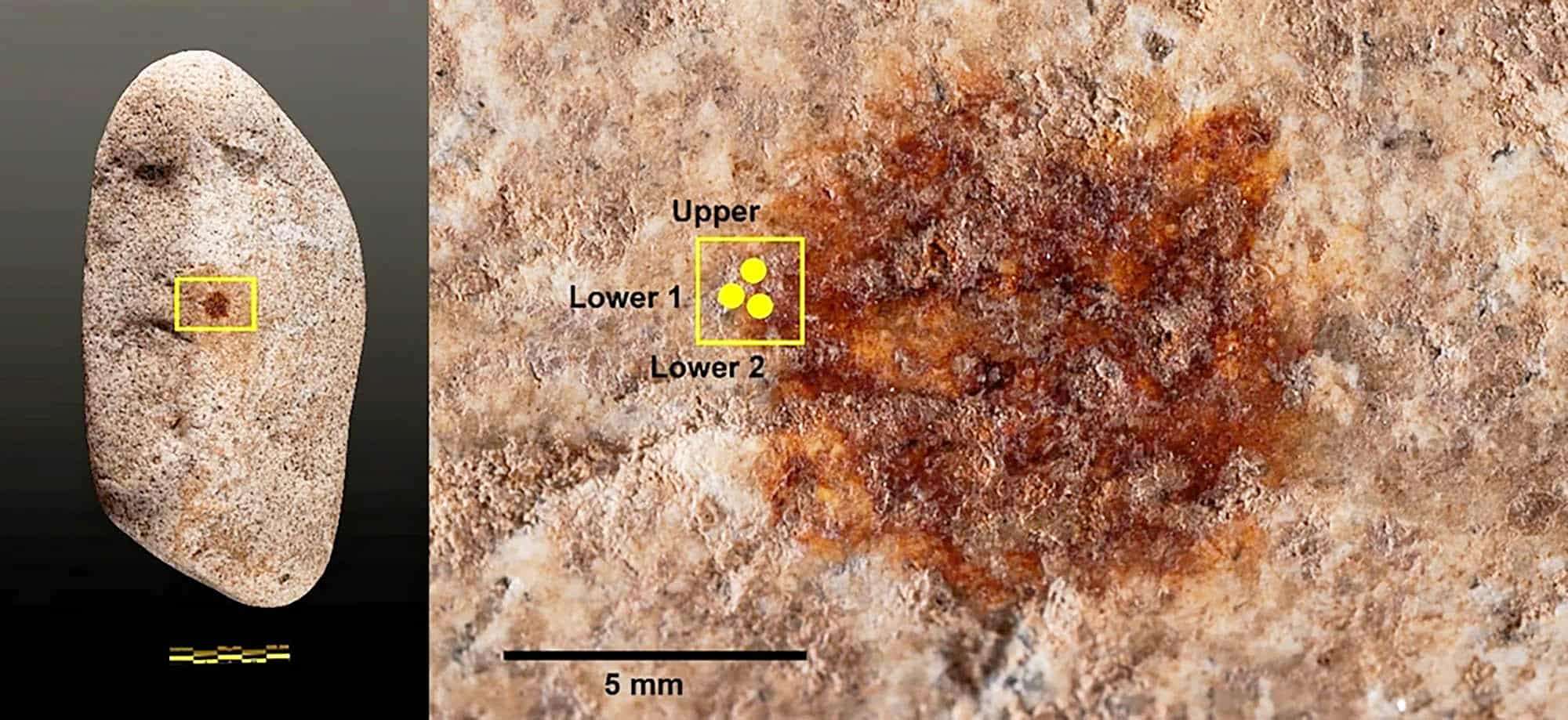
The stone fragment was excavated from the San Lázaro rock-shelter in Segovia, Spain. Its distinct form combined with the striking placement of a red dot immediately drew scientific interest. Detailed inspection showed the red pigment positioned where a nose would appear, prompting inquiries about whether it was accidental or a purposeful design. Analysis confirmed the pigment was ochre, a material transported from outside the shelter, suggesting intentional application.
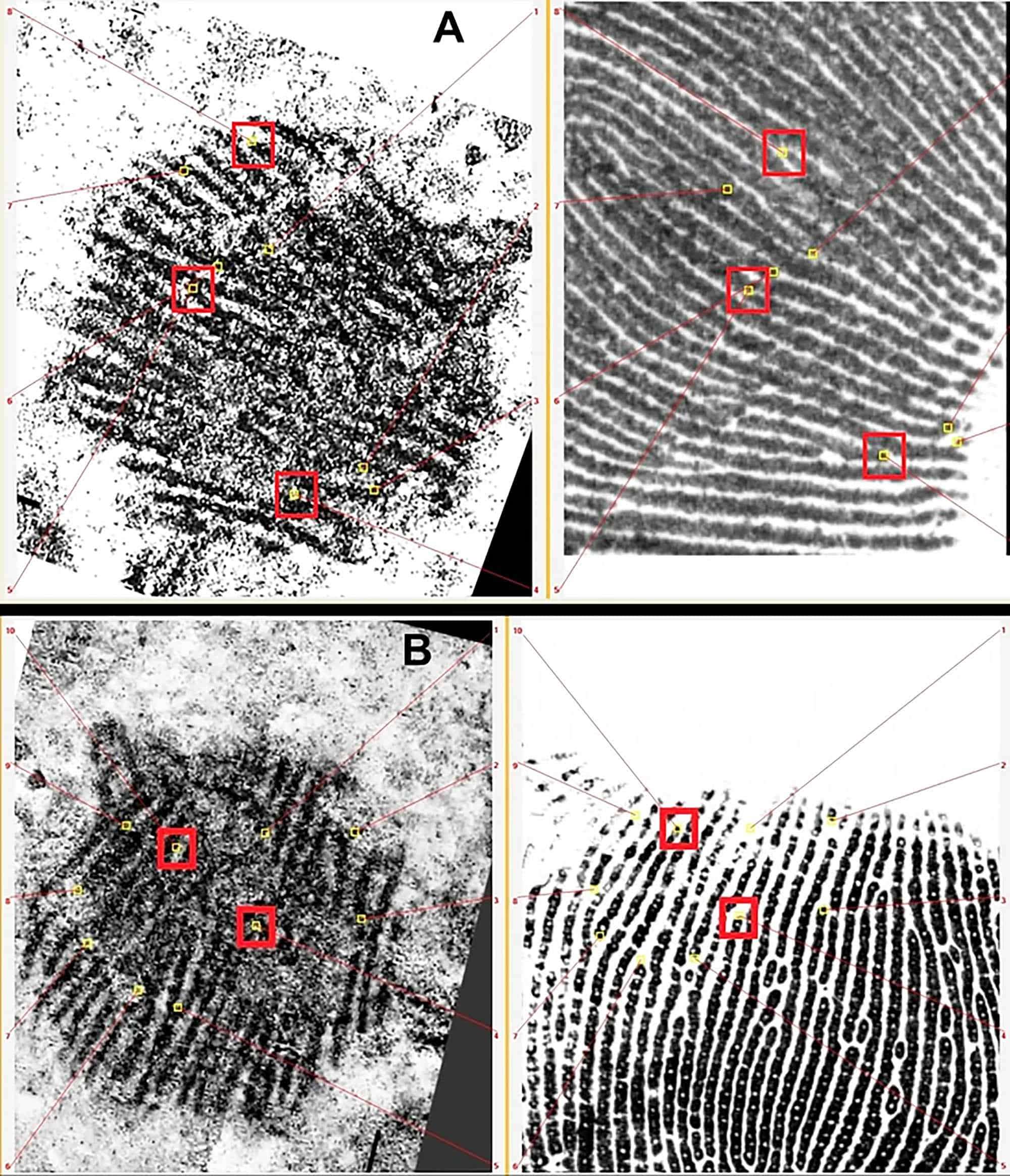
Through advanced imaging, scientists verified that the red mark wasn’t incidental but formed by an adult male’s fingerprint. The unique dermatoglyphic ridges, typical of human fingerprints, were clearly seen on the stone’s surface. This exceptional imprint left by a Neanderthal introduces compelling evidence against accidental contact. The precise positioning of the red dot—aligned where a nose might be—implies a deliberate artistic gesture rather than a random occurrence.

Insights into Neanderthal Symbolism
Neanderthals have traditionally been recognized for their sophisticated tool skills and survival strategies, yet their symbolic thinking remains debated. This discovery bolsters the contention that Neanderthals engaged in symbolic and possibly artistic practices. The red mark on the stone aligns with accumulating evidence that Neanderthals used pigments for purposes beyond practicality. Some experts suggest the pebble might be the earliest known piece of portable art made by Neanderthals, signifying an early form of personal or cultural expression.
Although much prehistoric portable art credits later human groups, this intentional pigment placement suggests Neanderthals participated in artistic activities long before modern humans. Ochre’s use, widely regarded for its symbolic importance in ancient cultures, adds support to the idea that this marking carried meaningful significance beyond mere utilitarian use.
A Milestone in Neanderthal Archaeology
Archaeologists consider this find exceptional as it appears to be the earliest recorded Neanderthal artwork. The pebble differs markedly from other artifacts found at the site, with its deliberate decoration indicating a function extending beyond everyday use. David Álvarez Alonso, an archaeologist involved in the study, emphasizes that the red pigment’s careful placement on the rock strongly suggests an artistic selection rather than practicality.
The stone was recovered from a stratum corresponding to the late Mousterian period, reinforcing the notion that Neanderthals possessed abstract thinking skills as well as creative capacities.
While debates about what defines “art” in prehistoric times continue, this finding challenges the traditional views of Neanderthal culture. The fingerprint imprint combined with ochre use provides fresh perspectives on these early humans.
- Categories:
- News












0 comments
Sign in to Comment