
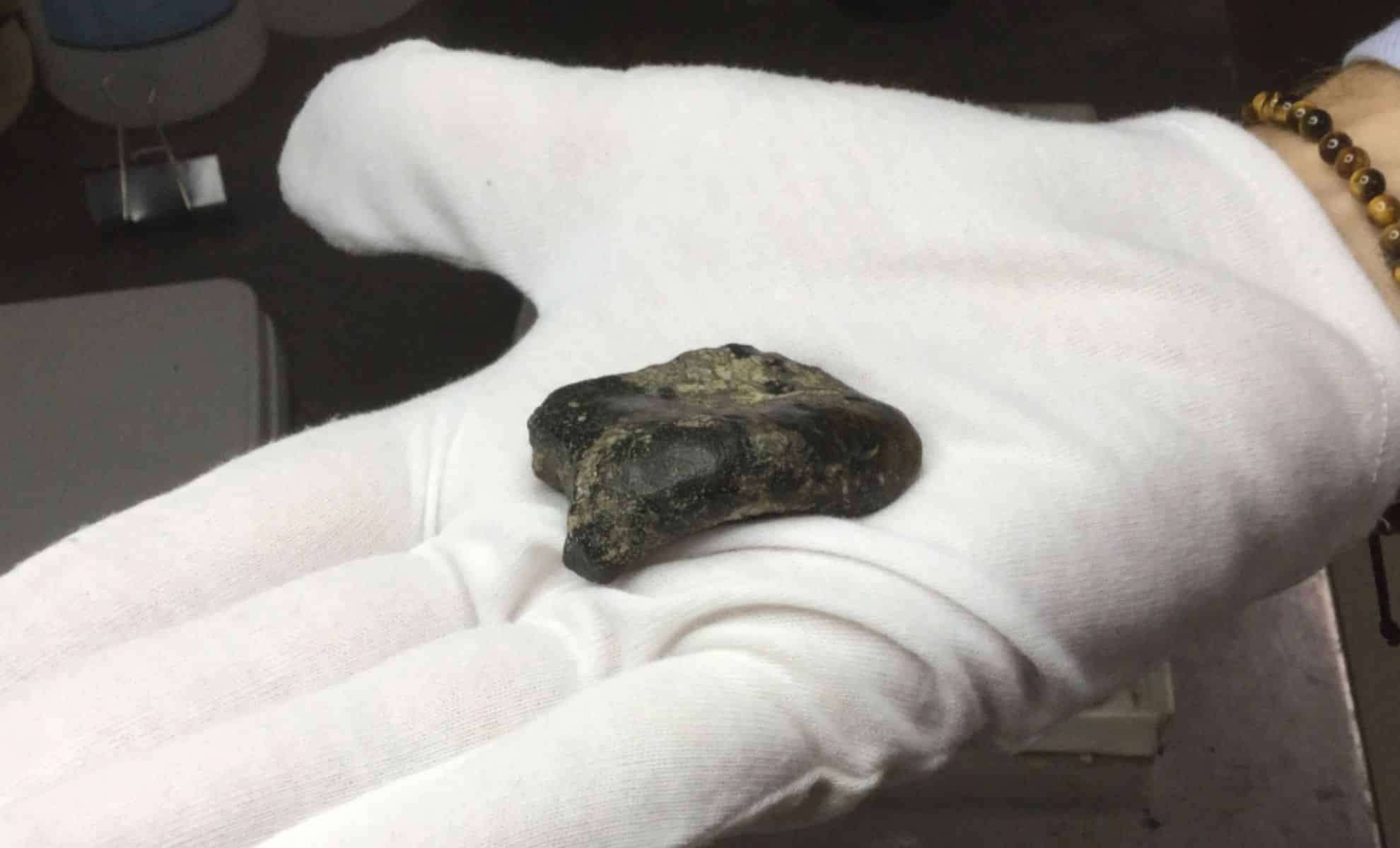
Fossils recovered from Southeast Asia’s submerged Sunda Shelf are shedding new light on ancient human migration and evolution. Published in Quaternary Environments and Humans, this pioneering research identifies remains of Homo erectus and other early hominins in a region once exposed as a vast landmass but now underwater.
Exploring Ancient Sundaland’s Legacy
Sundaland was a sprawling Pleistocene land bridge connecting Southeast Asia’s islands, currently hidden beneath the Sunda Shelf’s waters. This region hosts a remarkable fossil heritage including species like Homo floresiensis, Homo luzonensis, and Homo erectus. Yet much of this evidence remains concealed underwater, complicating reconstructions of the area’s role in early human history.
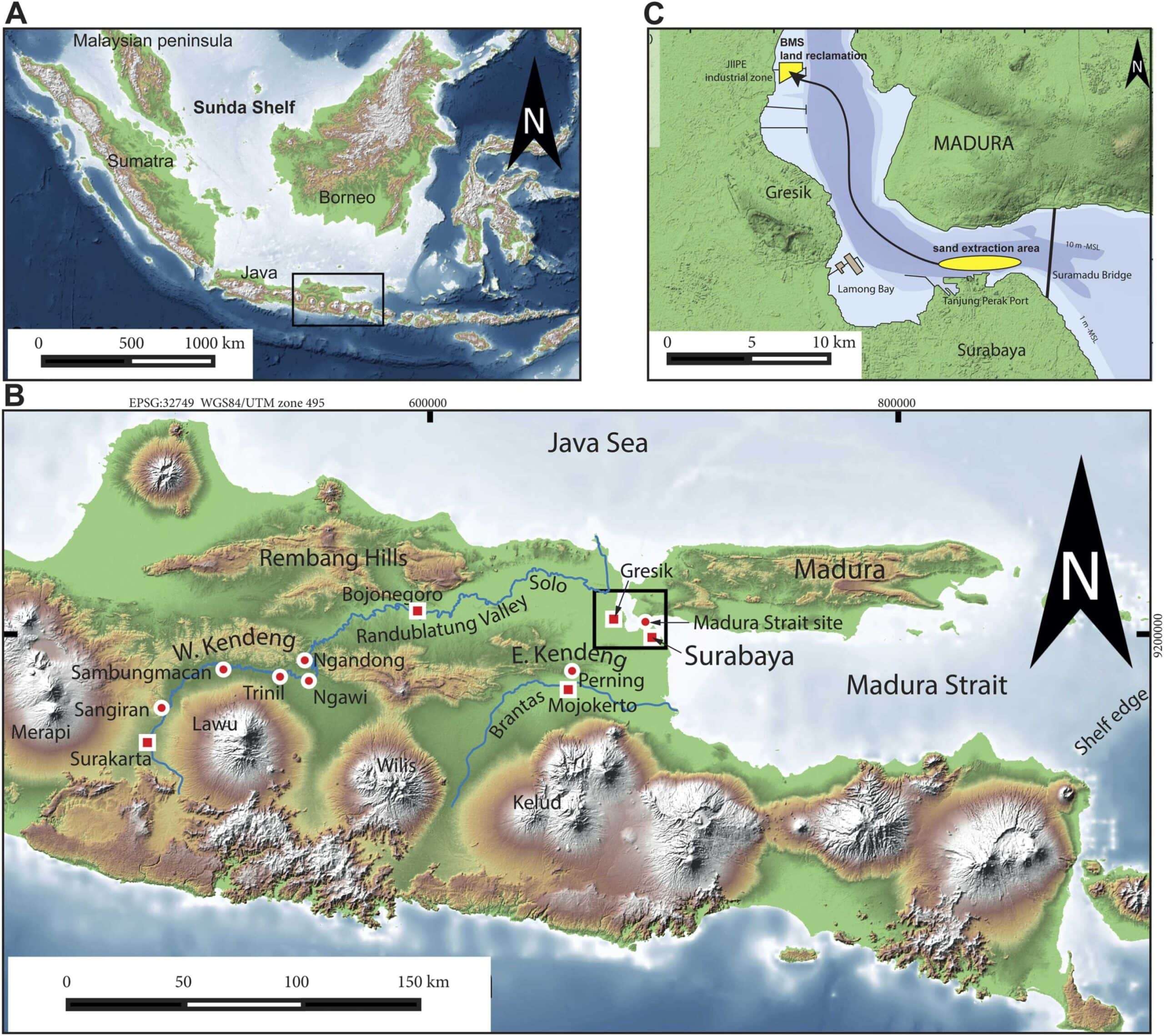
Led by Dr. Berghuis, the research team analyzed fossils retrieved during a sand dredging operation tied to Indonesia’s artificial island construction for cargo purposes. The excavation uncovered over 6,700 vertebrate fossils, featuring two hominin samples named Madura Strait 1 (MS1) and Madura Strait 2 (MS2), marking the first discovery of hominin fossils from beneath Sundaland’s sea floor.

Fossil Evidence Illuminates Early Human Movements
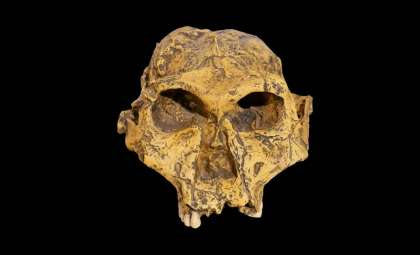
Among the finds, MS1 is particularly significant, closely resembling late Middle Pleistocene Homo erectus specimens from Java, dating roughly between 140,000 and 92,000 years ago. This indicates that Homo erectus likely inhabited expansive Sundaland lowlands rather than being confined solely to Java. MS1 expands the known geographic range of this species, while MS2, although not assigned to a precise species, shares traits with archaic Homo groups.
Environmental Insights and Their Evolutionary Importance
The fossil site corresponds to a dry, open landscape during the Middle Pleistocene and aligns with the geological period known as Marine Isotope Stage 6 (MIS6), marked by notable sea level shifts. These fluctuations shaped early human habitats and migration routes. The findings demonstrate that Homo erectus and related hominins adapted to diverse environments, influencing their dispersal across Sundaland and adjacent regions.
The environment at the time supported various species, including Stegodon trigonocephalus, Duboisia santeng, Epileptobos groeneveldtii, and Axis lydekkeri, all indicators of a predominantly dry and open ecosystem.
Construction Efforts as Gateways to Paleontological Discovery
Obtaining fossils from underwater sediments is a rare, costly task typically tied to infrastructure projects like the Indonesian artificial island initiative. The port company Berlian Manyar Sejahtera facilitated sand dredging that unexpectedly yielded these critical fossils.
Dr. Berghuis emphasizes, “Extracting seabed sand is very expensive. You will only get this done for construction work.” This scarcity highlights the importance of collaboration between scientists and construction firms to capitalize on fossil retrieval opportunities during such projects.
Building strong partnerships with developers is key to advancing knowledge of human origins. Although dredging costs limit fossil hunting, joint efforts open promising avenues for discovering more submerged remains. Dr. Berghuis suggests that additional sand extraction activities nearby may reveal further finds, enhancing our grasp of ancient human evolution.
- Categories:
- News




0 comments
Sign in to Comment