
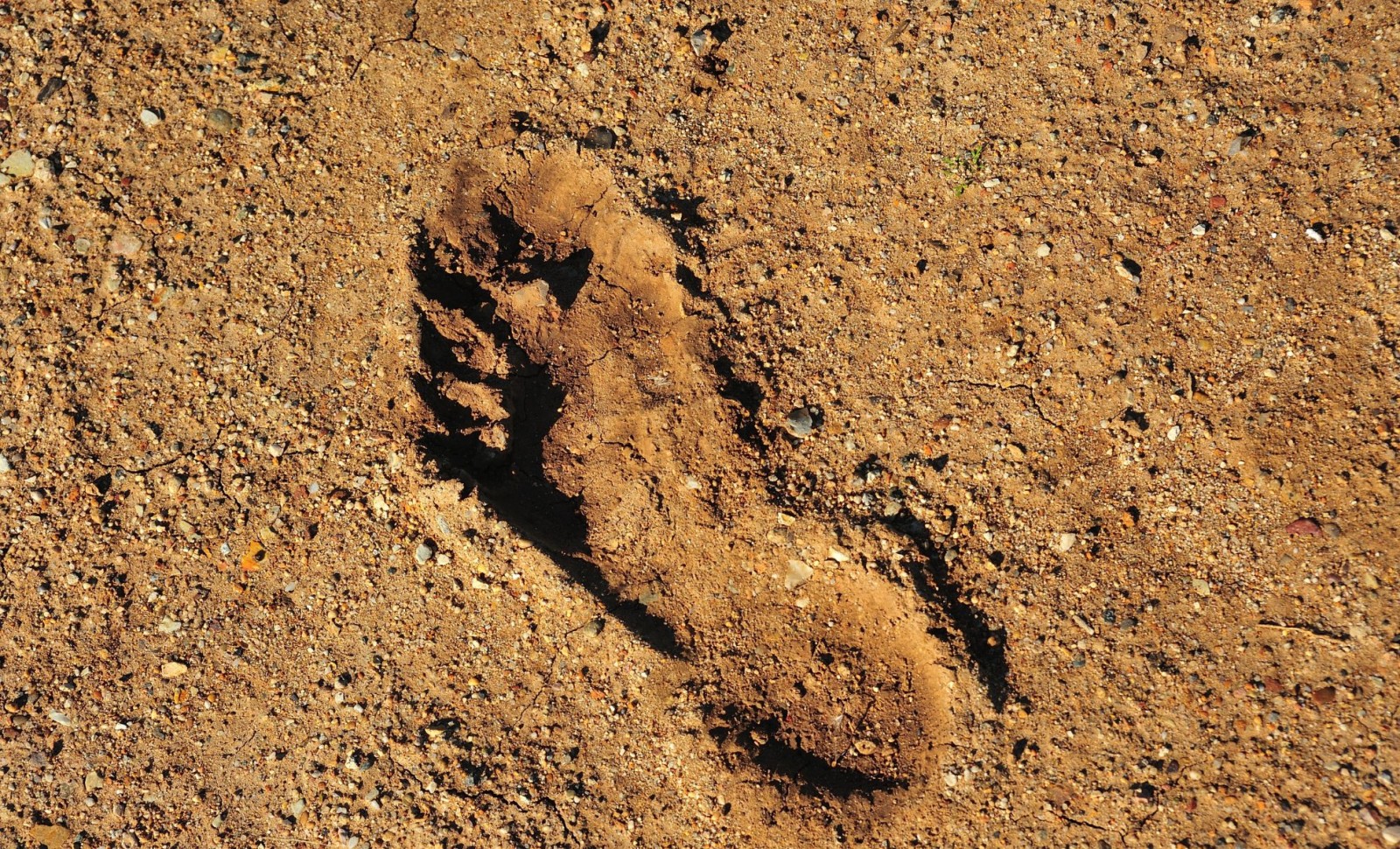
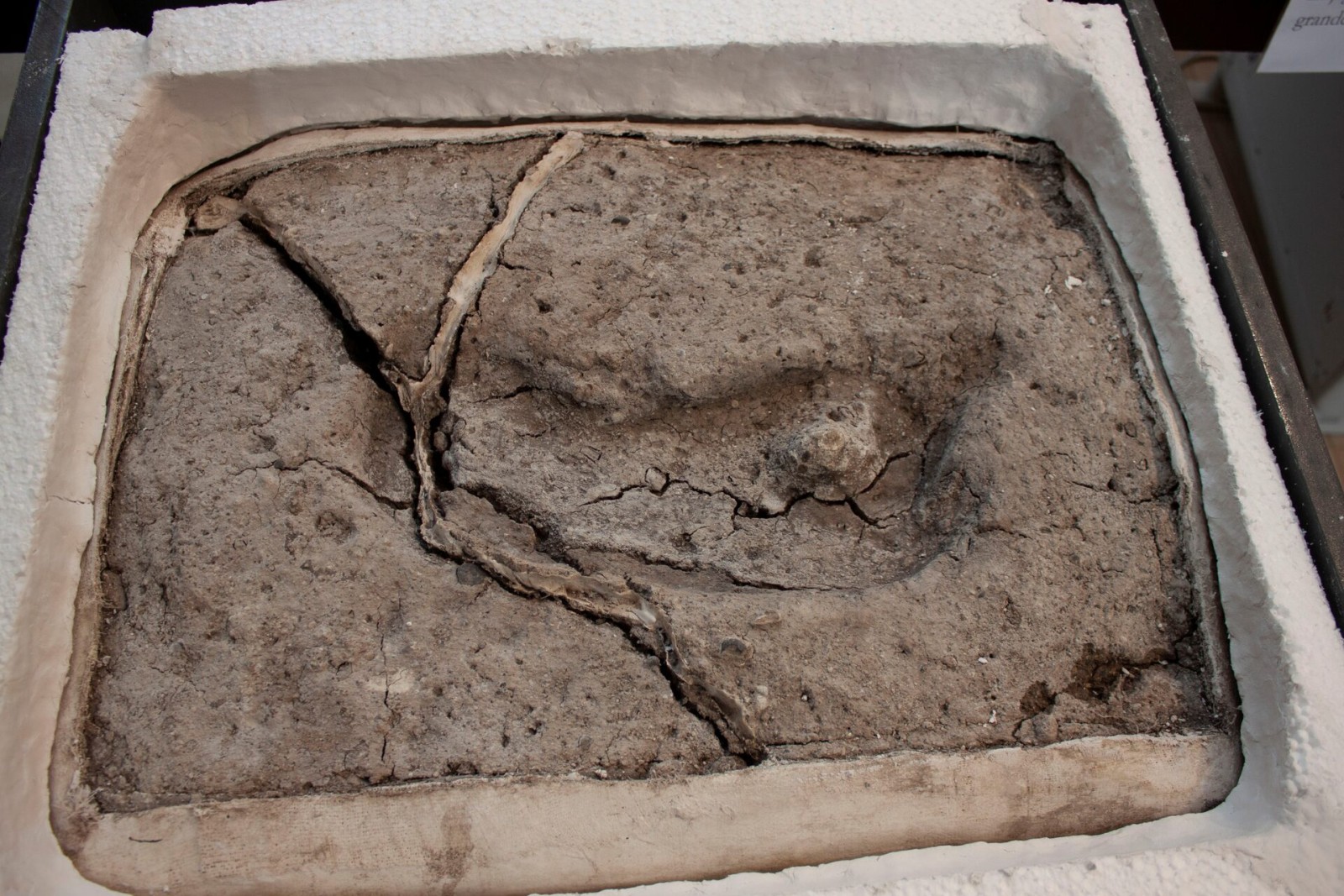
Researchers have uncovered a fossilized human footprint in southern Chile dating back 15,600 years, now recognized as the . This finding pushes back the timeline for human arrival in South America by over a millennium.
Located near the city of Osorno, the footprint was initially found in 2010 but underwent almost ten years of thorough study before its age was confirmed. This breakthrough has the potential to redefine previous theories about early human settlement on the continent.
Establishing the Footprint’s Ancient Origin
The footprint was analyzed by a team from Universidad Austral de Chile led by Karen Moreno. Their results were detailed in a publication in PLOS One. Prior to this discovery, it was widely accepted that human presence in South America began postdating the last Ice Age, with the widely known Monte Verde site in Chile, estimated at around 14,600 years old, regarded as the earliest such evidence.

According to Moreno, this footprint not only antedates Monte Verde but also represents the first officially confirmed evidence of human presence in South America older than 12,000 years. While similar-age sites exist in North America, including one in Texas dated to roughly 15,500 years ago, this Chilean footprint stands as the oldest direct physical sign of human activity on the continent. In her words:
“Little by little in South America we’re starting to find sites with evidence of human presence, but this is the oldest in the Americas.”
Dating Through Sediment and Fossil Evidence
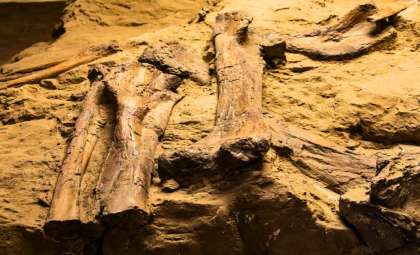
As the footprint could not be directly dated, scientists examined the sediment layer containing it. This layer held seeds, wood fragments, and a portion of a mastodon skull, enabling precise dating. Reuters noted that this comprehensive analysis established the footprint’s age at 15,600 years.
Additionally, the excavation site was rich in fossils from extinct creatures such as mastodons and horses. According to IFL Science, the presence of stone flakes near the footprint hints that the area could have served as a hunting locale. These findings help reinforce the idea that the footprint was left by a human actively utilizing their surroundings, rather than being a coincidental natural formation.
Confirming the Footprint’s Human Origin
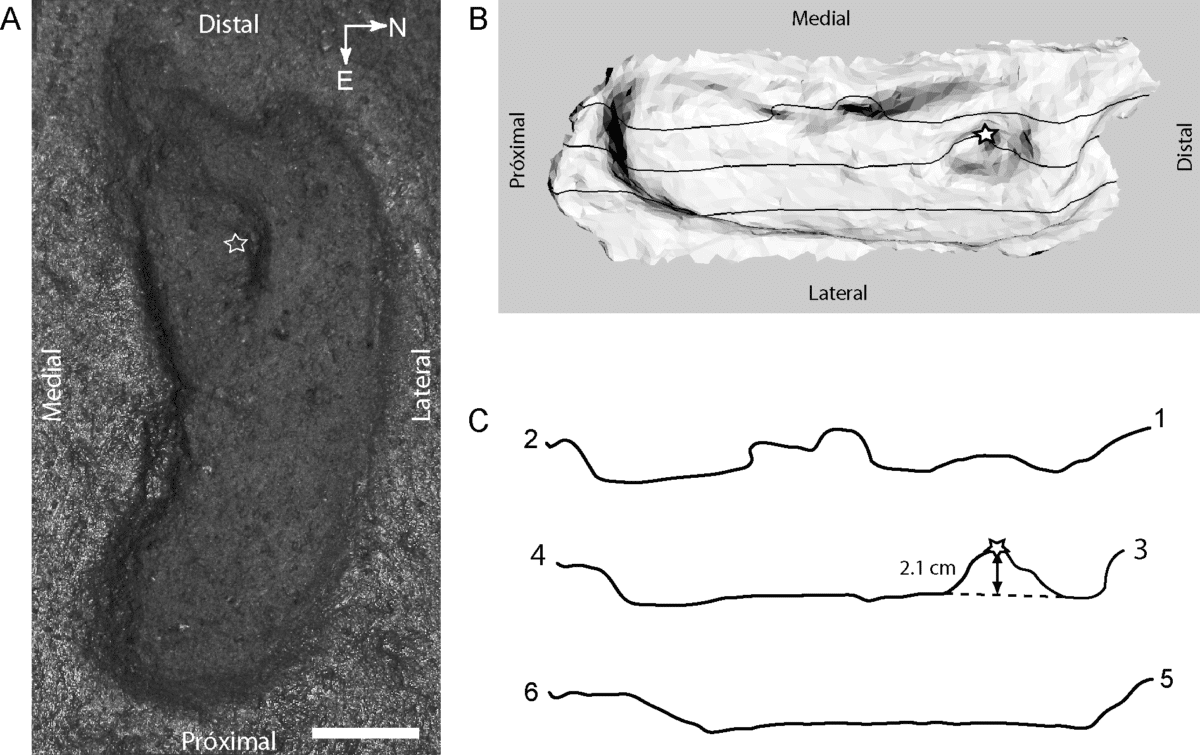
Verifying the print as human required extensive investigation over several years. Moreno and her colleagues performed nine tests to simulate the pressure needed to create a similar impression in the same type of sediment. Their data suggested that the print was made by a barefoot adult male weighing close to 155 pounds.
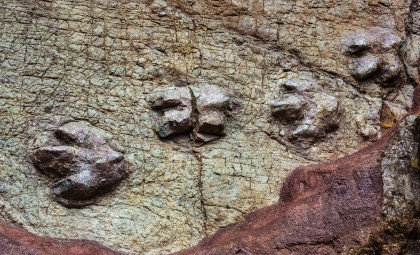
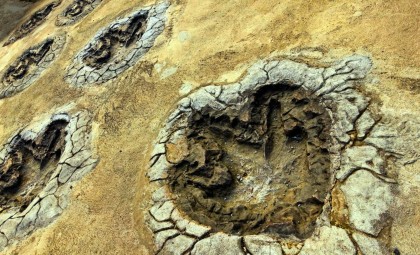
The footprint’s form, size, and pressure distribution did not align with any animal tracks. Its exact contours closely matched those of a modern human foot, ruling out the possibility of animal origin or natural erosion effects. Based on these characteristics, the researchers classified the print under Hominipes modernus, a taxonomic term used for prints attributable to humans or their close relatives.
- Categories:
- Science





0 comments
Sign in to Comment