
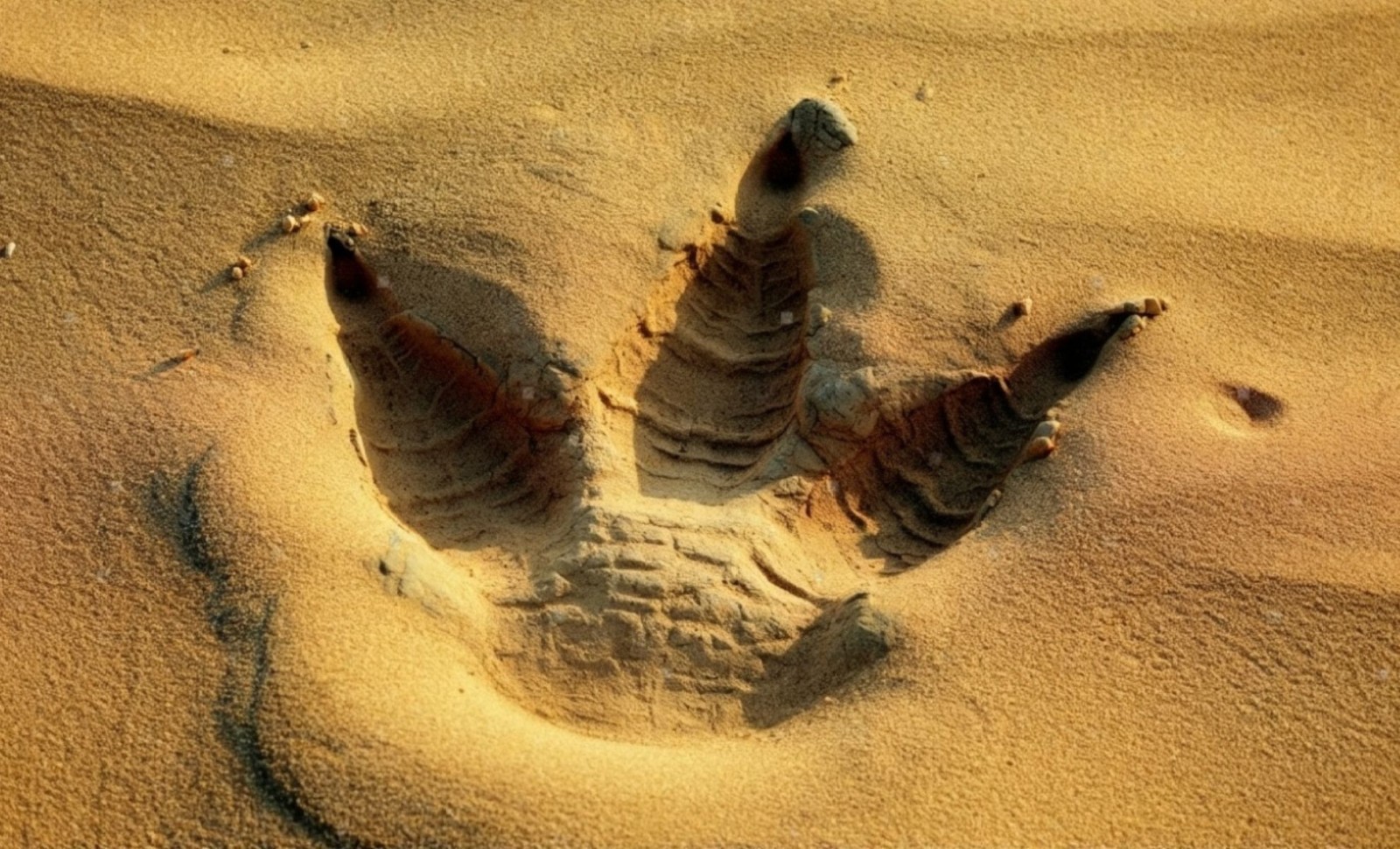
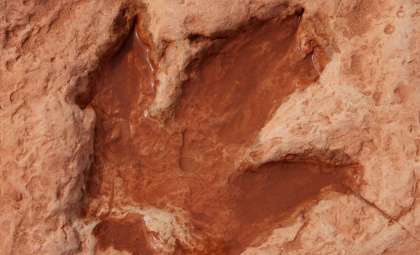
During a collaborative expedition involving Japanese and Mongolian researchers, scientists identified a remarkably preserved footprint from a titanosaur, an enormous plant-eating dinosaur that inhabited the Earth in the Late Cretaceous era. This groundbreaking find, highlighted by the Washington Post, represents a key advancement in the field of paleontology. The ancient giant responsible for this footprint ranks among the largest terrestrial animals known to science.
The Gobi Desert, famous for its extreme environment and rich fossil deposits, continues to provide invaluable insights into prehistoric life. This recent footprint discovery enhances our understanding of titanosaurs, a group of gigantic dinosaurs that often leave behind fragmentary fossils. While scientists have only uncovered the footprint so far, hope remains high that a more complete fossilized skeleton may eventually surface in this location.
A Monumental Track Preserved Through Time
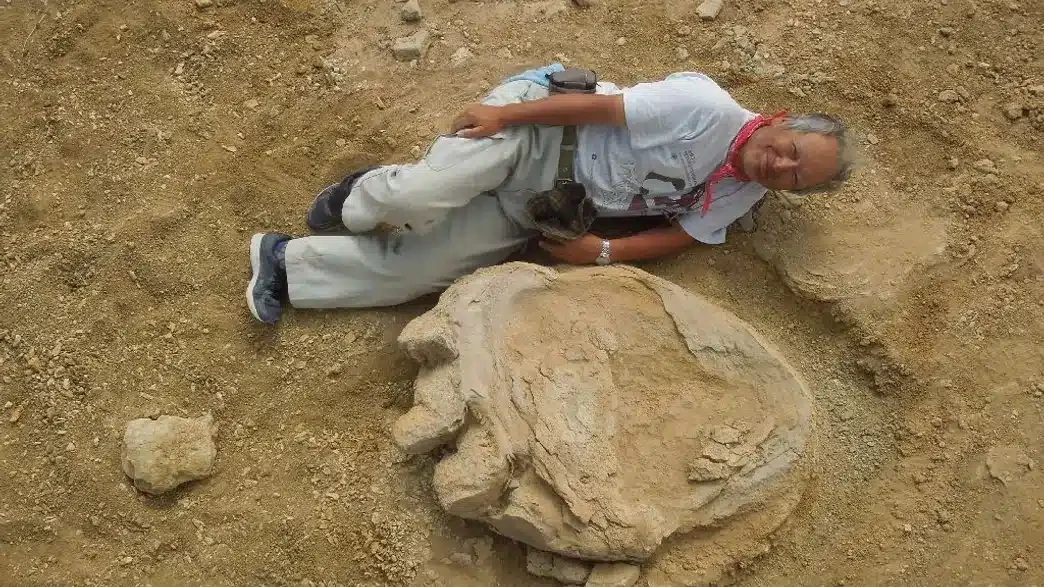
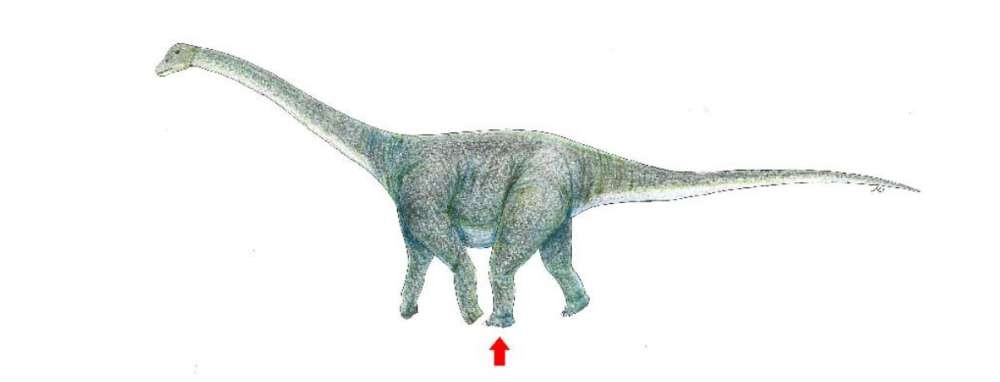
The footprint, measuring 1.06 meters in length and 0.77 meters across, suggests the immense size of the animal that made it. Paleontologists believe the dinosaur reached dimensions of roughly 30 meters long and 20 meters tall, comparable to the length of a football field laid end-to-end.

Discovered by researchers from Japan’s Okayama University of Science (OUS), the team is actively exploring the surrounding terrain for further remains of this prehistoric behemoth. According to Professor Shinobu Ishigaki from OUS, this footprint could be the first clue to a more extraordinary find.
“A whole skeleton of a giant dinosaur that left such a massive footprint has yet to be uncovered in Mongolia.” He added, “A fossilized skeleton of such a dinosaur is expected to be eventually discovered.”
The Titanosaur's Gigantic Stature
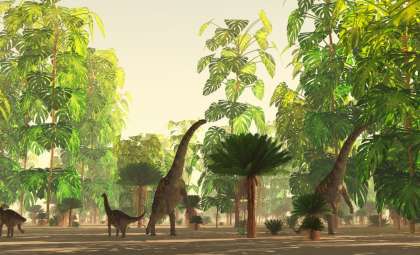
Titanosaurs, a subgroup within the sauropod family, were among the largest creatures to ever roam land. As reported previously, these herbivorous titans thrived between 90 and 70 million years ago during the Late Cretaceous period. Their colossal builds enabled them to flourish in their habitats, with some species growing as long as 40 meters (131 feet) and weighing up to 80 tons. The titanosaur linked to the footprint in the Gobi likely tipped the scales at around 70 tons, roughly ten times the weight of a Tyrannosaurus rex.
“This is a very rare discovery as it’s a well-preserved fossil footprint that is more than a meter long with imprints of its claws,” said the researchers of Okayama University of Science.
The enormous scale of titanosaurs captivates paleontologists, yet many aspects of their lifestyle remain elusive due to the incomplete nature of most fossils.
- Categories:
- Science





0 comments
Sign in to Comment