
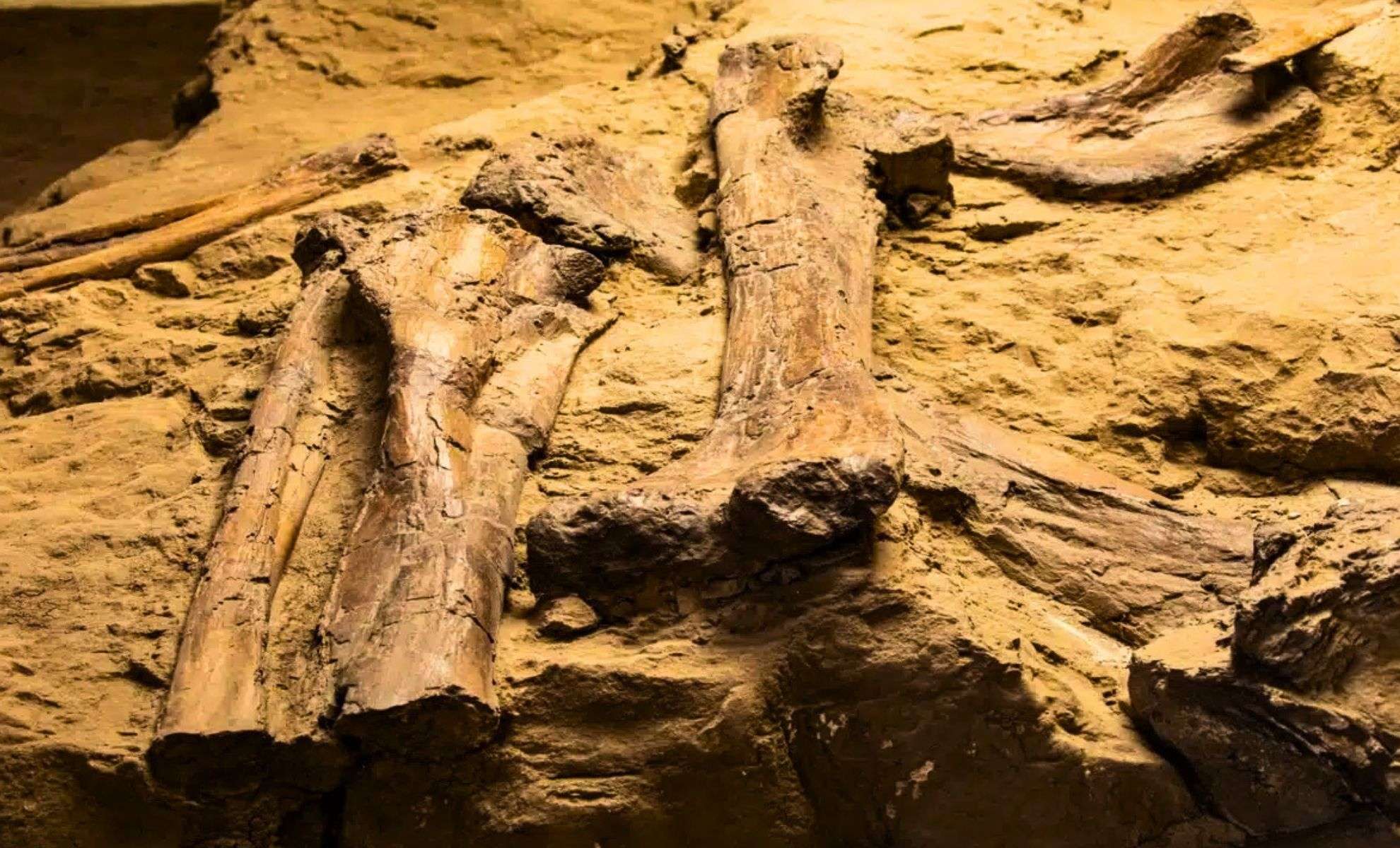
Researchers have uncovered a fossil in Morocco’s Middle Atlas Mountains that represents the earliest known herbivorous cerapodan dinosaur, pushing back the emergence of this significant plant-eating group by more than two million years.
Femur from 168 Million Years Ago Discovered in El Mers III Formation
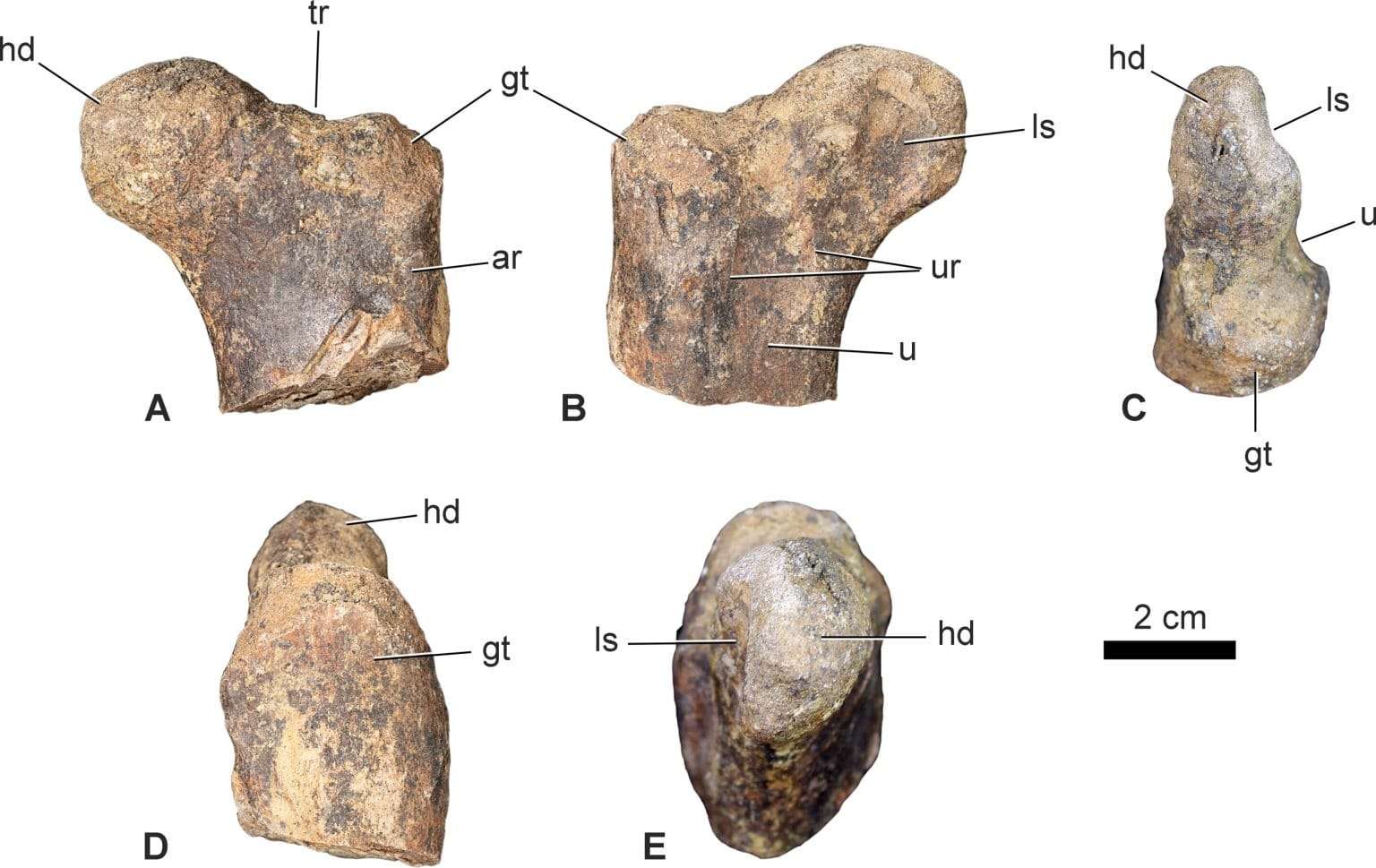
As reported by Interestingengineering, a collaborative international team found a fossilized upper leg bone, specifically a femur, within the Jurassic-aged El Mers III Formation in the Middle Atlas region of Morocco.
This specimen dates to the Bathonian stage of the Middle Jurassic, around 168 million years ago, making it the earliest skeletal proof of a cerapodan dinosaur discovered so far.

Cerapodans were small, two-legged herbivorous dinosaurs belonging to the broader ornithischian ("bird-hipped") clade and include famous relatives such as iguanodons and hadrosaurs. Similar to modern birds, they were bipedal and thrived primarily during the Cretaceous Period, although evidence of their earlier existence has been scarce until now.
Distinctive Features Verify the Dinosaur's Classification
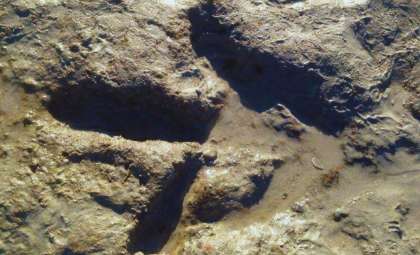
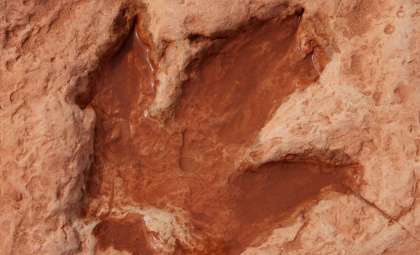
Prior to this finding, evidence of Middle Jurassic cerapodans mostly came from trace fossils like footprints, which provided only indirect clues. The newly recovered femur fills a significant gap in the fossil record. Although incomplete, the bone possesses key cerapodan characteristics:
- A unique groove on the back side of the femur’s proximal end
- An offset femoral head connected by a clear neck
- A narrowing between the femoral head and the greater trochanter
These anatomical markers allowed scientists to confidently assign the specimen to the Cerapoda group, ruling out other neornithischians. The research team, including experts from the Natural History Museum (UK), University of Birmingham, and Morocco’s Sidi Mohamed Ben Abdellah University, published their work in Royal Society Open Science.
Morocco Establishing Itself as a Jurassic Dinosaur Epicenter
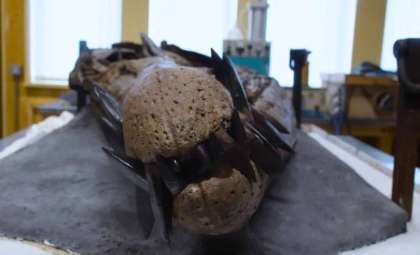
This fossil was found close to the site where the earliest ankylosaur—an armored dinosaur famous for its tail club—was excavated. The El Mers III Formation has also produced remains of one of the earliest stegosaurs, known for their distinctive bony plates.
These discoveries jointly highlight Morocco as a key region for dinosaur diversity during the Middle Jurassic. While fossils from this era remain uncommon worldwide, Morocco is emerging as a vital resource for understanding the evolution of early dinosaurs, especially ornithischians.
Broader Evolutionary Insights and Global Significance
Until now, the earliest known cerapodan came from a femur found in the UK and was approximately two million years younger. This Moroccan find significantly redefines the timeline and corroborates theories that cerapodans began diversifying earlier than previously evidenced.
By providing detailed anatomical confirmation, this discovery strengthens evolutionary models that were previously based on fragmentary or indirect data, enabling scientists to better understand the origins of herbivorous dinosaurs.
Notably, this find complements recent breakthroughs in Asia, where in 2024 researchers reported Archaeocursor asiaticus, the oldest primitive ornithischian dinosaur, dating back some 193 million years, unearthed in southwestern China. This expands the known distribution of early ornithischians across continents.
Transforming the Story of Jurassic Era Dinosaurs
This remarkable discovery doesn’t just add to fossil catalogs; it fundamentally alters our perspective on when and how influential herbivorous dinosaurs evolved.
As paleontologists delve deeper into Morocco’s fossil-rich mountainous areas, it’s expected that more ancient species will come to light, enriching our understanding of the ecosystems shaping the Jurassic world.
The Middle Atlas Mountains, famed for their stunning scenery, now stand as some of the best natural archives for tracing prehistoric life on Earth.
- Categories:
- Science




0 comments
Sign in to Comment