
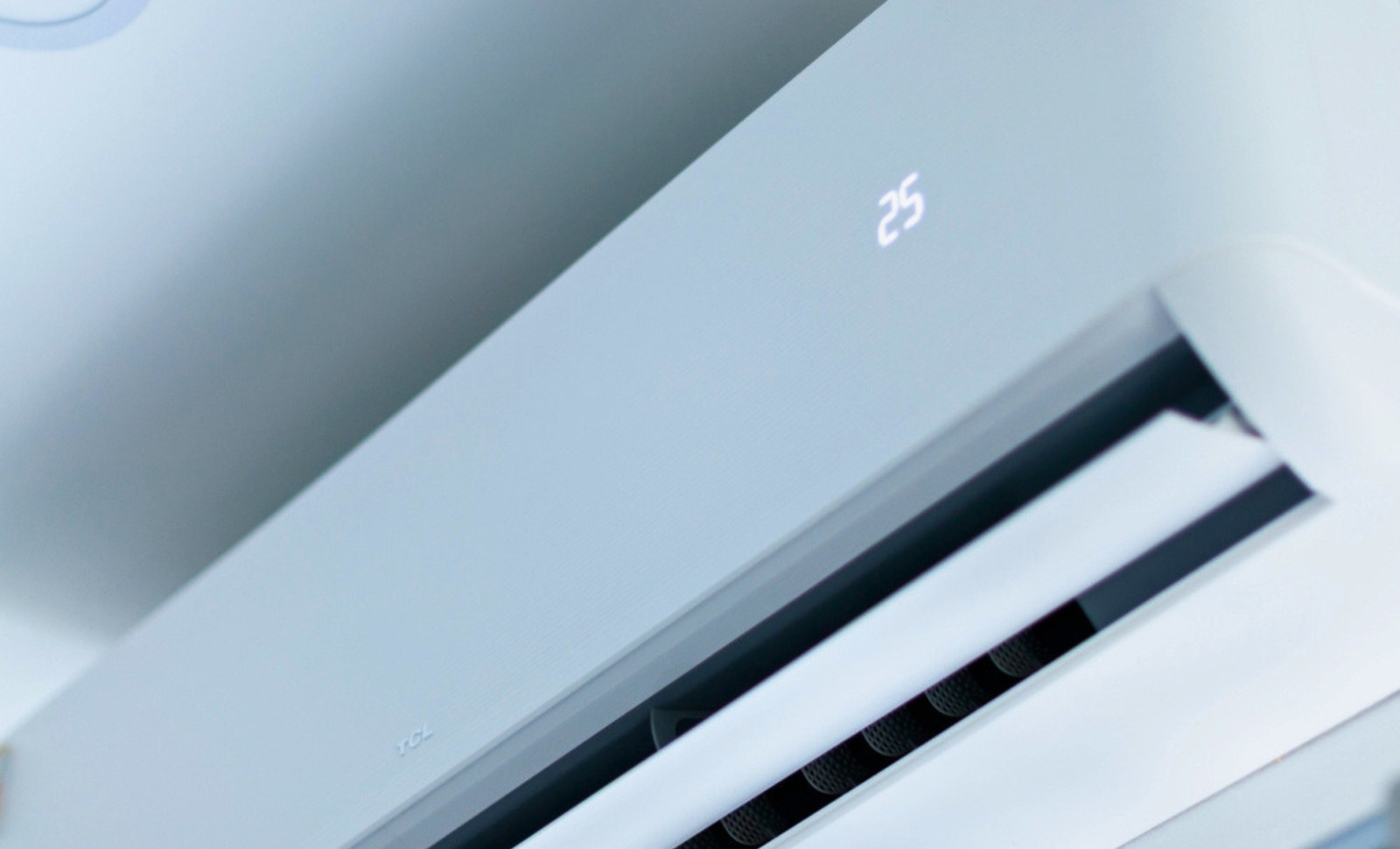
Many people heating their homes during winter are unaware of the actual hourly cost or how dramatically it varies by the type of unit used. A typical convection heater consumes about 2 kilowatts and can cost close to $3 per hour to operate. If used for around four to five hours daily over a 90-day cold season, the total expense may exceed $250, even before other energy charges.
A more economical alternative exists. Finder’s 2025 winter heating cost study shows that running a reverse-cycle air conditioner typically costs about half as much per hour compared to a conventional electric heater. Over an entire winter, this could translate into savings exceeding $100 for most households, depending on local electricity prices, appliance efficiency, and daily routines.
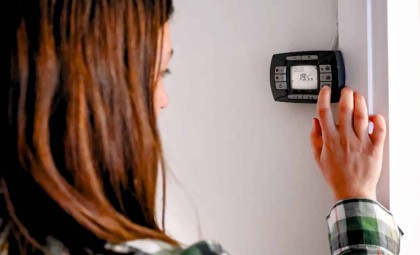
However, the crucial factor isn’t the heater model but the thermostat temperature selected.

Increasing Temperature by Every Degree Drives Up Costs
Energy experts and consumer guides commonly recommend maintaining indoor temperatures between 18°C and 20°C during winter. This range strikes a balance between warmth and affordability, especially if occupants wear suitable clothing indoors. It also spares the heating device from working harder to maintain a wide temperature gap from outside.
Both AGL’s guide on energy efficiency and the Australian Government’s winter energy tips warn that each degree above the suggested zone can escalate energy usage by 5–10%. Thus, raising the thermostat from 20°C to 23°C might boost heating expenses by 15–30%, while pushing it to 25°C can increase costs by nearly 50%.
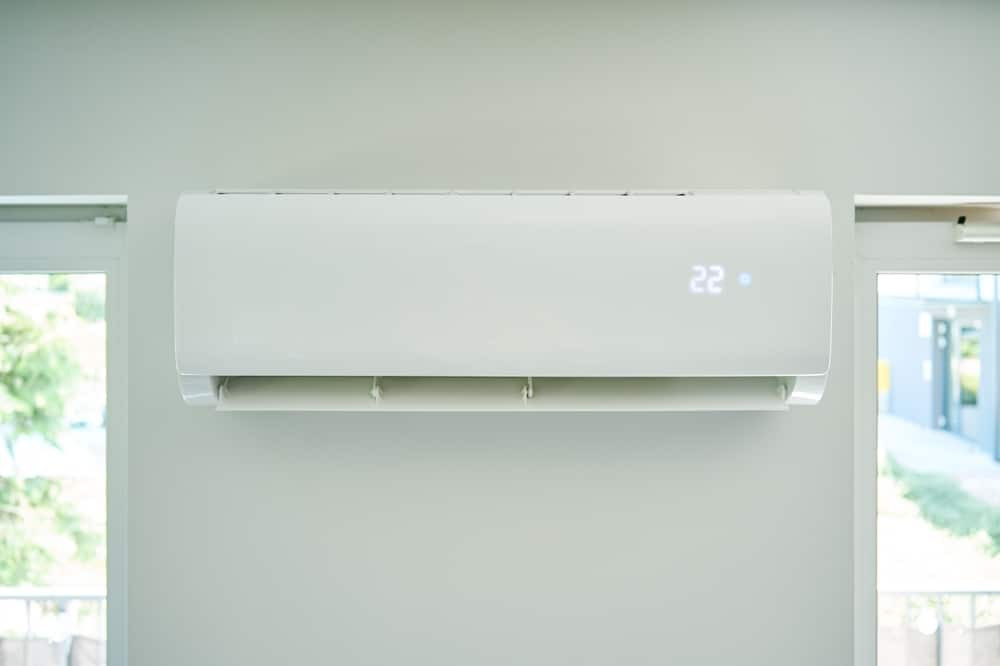
Small increments across the whole winter season can significantly affect your energy bill. On chilly days, such as when it's 5°C outdoors, maintaining an indoor temperature of 20°C already requires overcoming a 15-degree difference. For most, the comfort gained by increasing to 23°C is less noticeable compared to the cost hike.
Why Reverse-Cycle Air Conditioning Saves Money
The key difference between a reverse-cycle air conditioner and a mobile electric heater lies in how heat is generated. Conventional electric heaters—including fan, panel, oil-filled, and convection models—convert electricity directly into heat. One unit of electricity generates roughly an equivalent unit of warmth, meaning energy consumption and heat output are nearly proportional.
A reverse-cycle air conditioner, however, works differently by extracting thermal energy from outside air and directing it indoors. As explained by AGL, because the system transfers heat rather than creating it directly, it can deliver multiple units of heat for every unit of electricity used. This efficiency is why reverse-cycle units typically cost less to operate.
This fundamental difference also clarifies why portable electric heaters tend to have comparable, higher running costs despite their diverse designs. Whether it’s a fan heater, ceramic heater, oil column, or panel heater—all rely on resistive electric heating rather than heat transfer technology. Hence, reverse-cycle air conditioning is not just a larger heater but represents a more energy-efficient method of warming homes.
Heat Loss That Thermostats Can't Prevent
Selecting the ideal heater is important, but retaining that warmth within the home is equally critical. As noted by YourHome, air leakage can account for 15% to 25% of heat lost during winter seasons in buildings. Practically, this means up to one-quarter of paid heat escapes through cracks before adequately warming the interior.
That’s why sealing draughts is a cost-effective and impactful solution. Filling gaps around doors, windows, floors, exhaust fans, and poorly installed frames can dramatically reduce heat loss without the need to upgrade your heating system. Materials for these fixes are inexpensive and readily available from hardware stores, making such improvements a quick, payback-friendly investment.
Insulation offers an even more substantial impact. According to Energy.gov.au, proper ceiling insulation can cut heating and cooling costs by as much as 45%. In colder regions, most heat loss escapes through the roof, making the ceiling a prime candidate for insulation audits. Even older insulation materials can degrade over time, losing effectiveness while still appearing intact.
Simple Practices to Lower Your Winter Heating Costs
Small behavioral tweaks can also help reduce heating bills without major renovations. Switching ceiling fans to winter mode helps circulate warm air trapped near the ceiling back into living spaces, enhancing comfort without cranking the thermostat. Using curtains strategically can trap a layer of air near windows, limiting overnight heat loss.
Electric blankets offer another affordable method for targeted warmth. Finder’s research indicates their operating cost is approximately 4 cents per hour, compared to about $3 per hour for convection heaters. For those not needing to heat an entire room late at night, electric blankets can maintain comfort while allowing heating systems to remain off.
Another source of unnecessary energy use is standby power from electronics like TVs, computers, and printers. Turning these devices off at the wall can stop wasted electricity. While it won’t drastically change bills alone, combined with better heating practices, it helps cut avoidable expenses.
Combining Methods for Maximum Winter Savings
The most effective approach isn’t a single solution but a blend of strategies that reduce heating demand, enhance efficiency, and prevent heat loss. Employ a programmable thermostat, keeping temperatures around 18°C to 20°C, heat only occupied rooms, close doors to unused spaces, seal draughts, improve insulation, and use curtains wisely.
When available, a reverse-cycle air conditioner should be the main heating option rather than portable electric or gas heaters because the cost difference is substantial. Finder’s comparative data estimates running a reverse-cycle unit for a full winter at recommended settings costs about $155. In contrast, a convection heater runs near $270, and gas heating exceeds $300.
For budget-conscious households, the guidance is straightforward: maintain thermostat settings close to 20°C, prevent heat from escaping, and minimize reliance on costly portable heaters unless necessary. The savings come not from compromising comfort but by easing the workload of your heating system.
- Categories:
- News









0 comments
Sign in to Comment