
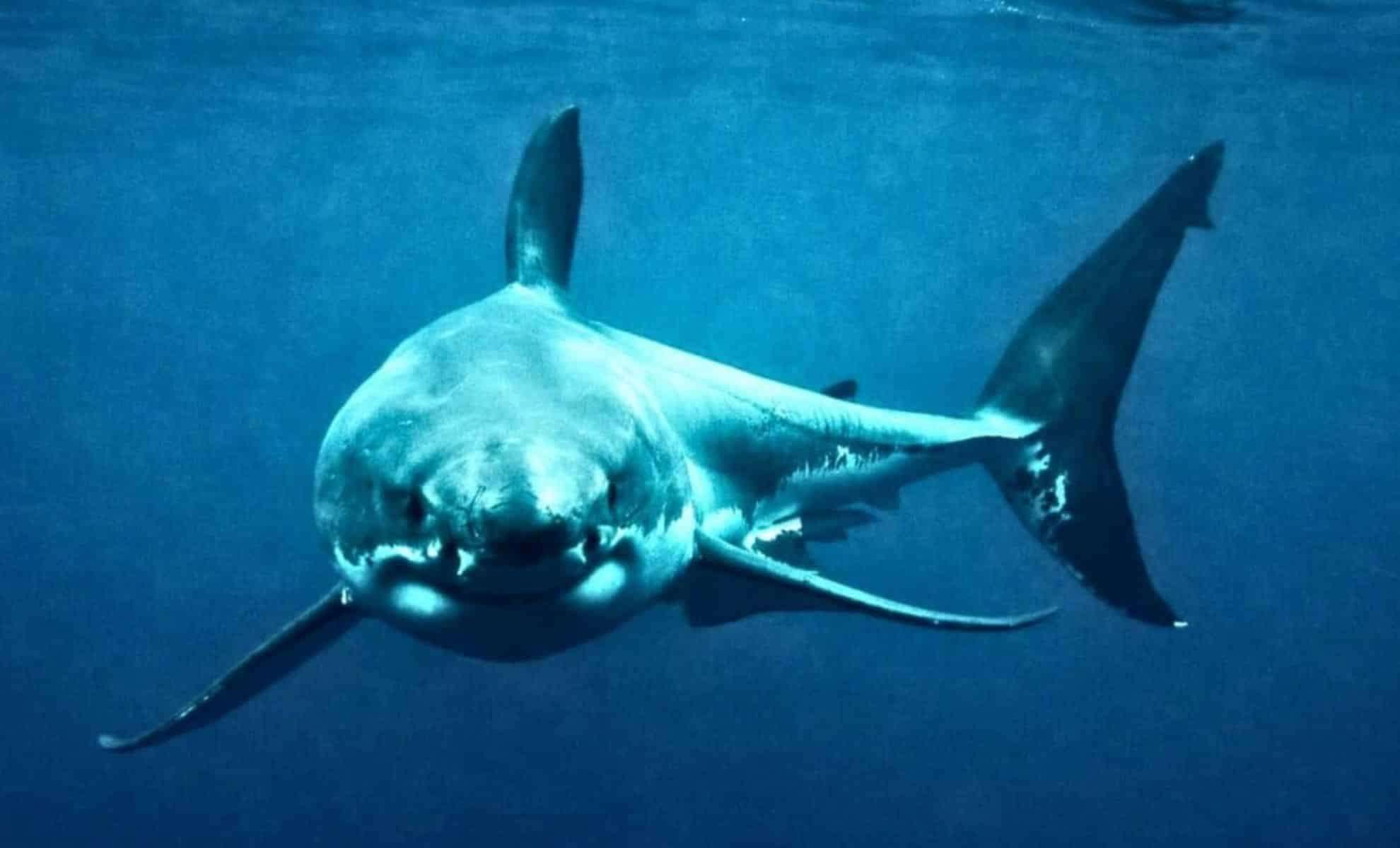
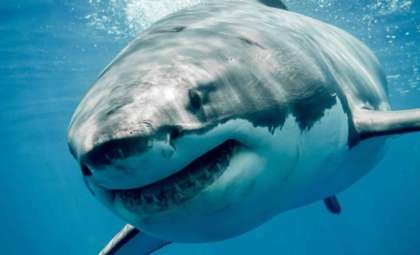
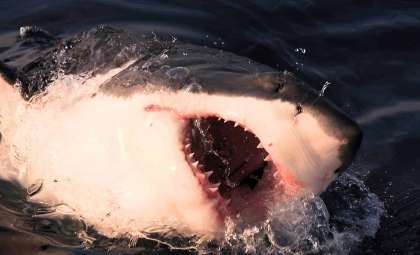
For decades, the great white shark has ruled the ocean as the apex predator, commanding respect for its formidable size and hunting prowess. Recently, however, a noteworthy change has surfaced in Australian marine environments, where the great white’s dominance is being contested by an unlikely contender: the orca.
Australia’s Groundbreaking Evidence: Orcas Preying on Great White Sharks
Scientists in Australia have obtained conclusive proof of orcas actively hunting great white sharks for the first time. This milestone was reached following the discovery of a 4.7-meter great white shark carcass on the shore of Portland, Victoria, in October 2023. The shark’s body was missing vital organs including its liver, digestive tract, and reproductive organs. Forensic analysis revealed a 50-centimeter wound near the pectoral fin harboring DNA traces uniquely matching orcas, confirming predation.
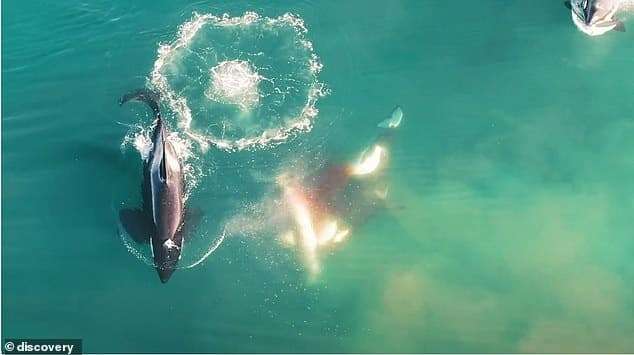
Just days prior, observers had reported seeing orca pods actively hunting in the region. Included in these groups were the infamous orcas known as Bent Tip and Ripple, recognized for their sophisticated cooperative hunting tactics. This marks the inaugural verified case of orcas targeting great white sharks in Australian waters, echoing similar findings globally that highlight a rise in such interactions.

Precision Hunting: Orcas’ Targeted Approach to Feeding
Orcas are celebrated for their remarkable cognitive abilities, allowing them to execute hunting maneuvers that few other marine predators can match. Their method often entails zeroing in on the most nutrient-dense parts of their prey. In their encounters with great white sharks, orcas have perfected a technique of extracting the shark’s liver, frequently leaving the rest of the body undisturbed.
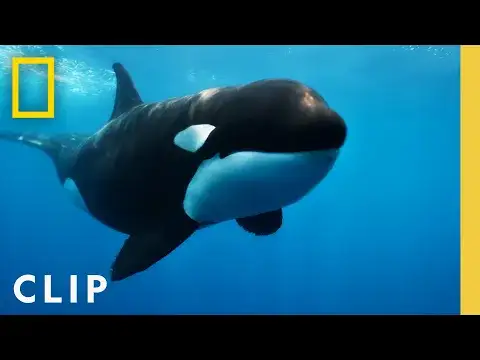
The liver of a shark is extraordinarily rich in lipids, providing a concentrated source of energy crucial for orcas. Such deliberate organ removal, especially in marine hunting, is rare and noteworthy. Similar behaviors have been documented in South African waters, where orcas deliberately dissect great white sharks to consume their livers, sparing the remainder of the carcass. This feeding strategy suggests a sophisticated predatory intelligence resembling that seen in human hunters.
Consequences for Great White Shark Numbers
This evolving interaction between orcas and great white sharks carries serious implications for shark populations. In South Africa, the presence of orcas in territories previously dominated by great whites has caused a marked drop in shark sightings. Fear of predation has driven many sharks to vacate their prime hunting areas. Should orcas persist with this behavior in Australia, similar declines in shark populations could occur.
Shifts in great white shark distribution may trigger ripple effects through marine ecosystems. A reduction in these apex predators could disrupt regulation of seal and fish populations, potentially altering food web dynamics. Although the breadth of this phenomenon remains uncertain, preliminary observations indicate a profound ecological impact unfolding beneath the waves.
- Categories:
- News









0 comments
Sign in to Comment