

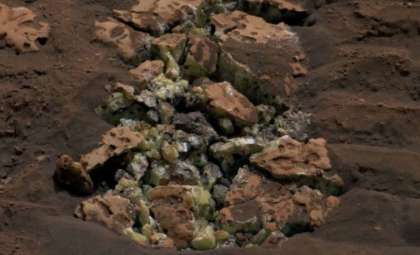
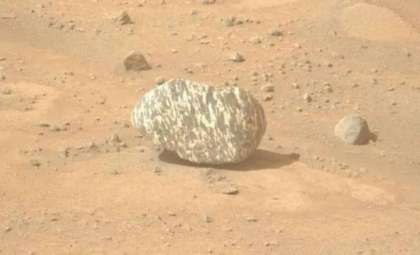
NASA’s Perseverance rover has identified organic compounds within a stratified rock formation known as Bright Angel on Mars. Among these discoveries, a specific rock dubbed Cheyava Falls exhibited spectral patterns that might signal a potential biosignature, although additional analysis is required to verify any biological origin. This finding was announced by NASA on their official science portal on October 4, 2025.
Unveiling Mars’ Hidden Clues
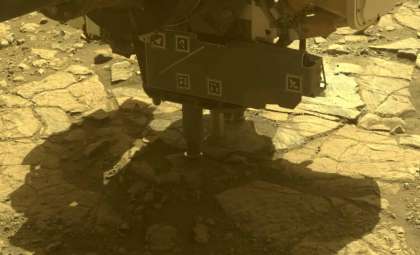
The rover utilized its SHERLOC instrument (Scanning Habitable Environments with Raman & Luminescence for Organics & Chemicals), positioned on its robotic arm, to detect these compounds. SHERLOC’s Raman spectroscopy identified distinct "G-band" features, which are indicative of organic molecules. While these molecules do not provide conclusive evidence of life, they could represent vestiges of biological processes or arise from complex chemical reactions in Mars’ environment.
Mars continues to be a primary target for astrobiology studies. The Perseverance mission is a crucial part of NASA’s wider agenda to investigate the planet’s potential to have supported life in the past and to prepare for eventual crewed exploration. Discovering chemical signatures like those at Bright Angel helps scientists piece together Mars’ ancient conditions.

G-Band Signals Detected in Cheyava Falls
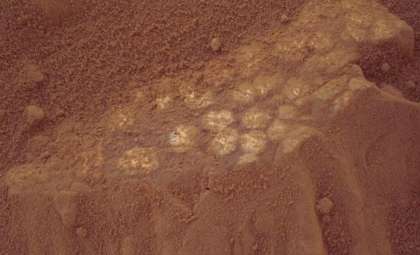
NASA Science reports that SHERLOC’s spectral analysis identified unique G-band signatures in Cheyava Falls, located near the top section of the Bright Angel formation. These signatures are linked to organic molecules, typically carbon-based compounds associated with living organisms, though they can also be produced by non-biological means.
A potential biosignature, as NASA describes it, is a feature or chemical that might originate biologically but requires more research for definitive proof. At this stage, the data neither confirms life nor dismisses the possibility, marking Cheyava Falls as a promising target for deeper investigation. Raman spectroscopy, which detects molecular vibrations, offers a non-invasive tool to analyze chemical compositions directly on Mars.
Geological Significance of Bright Angel
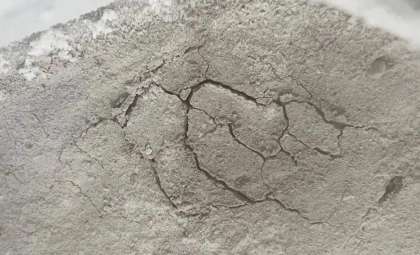
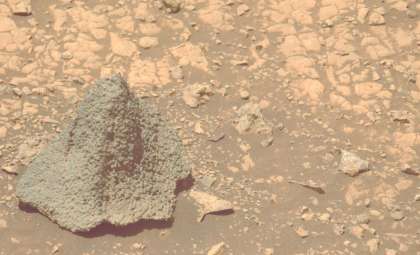
The Bright Angel area was chosen due to its prominent layered rock formations, which may hold preserved records of Mars’ past environments. The rocks’ sedimentary structure made them attractive candidates for SHERLOC’s examination. Although several spots showed interesting data, Cheyava Falls stood out owing to clear organic molecular signals.
This location lies within the greater Jezero Crater region, historically believed to have supported liquid water. Such conditions enhance the likelihood of organics preservation—either from ancient biology or chemical processes—in sedimentary rock layers, which on Earth often safeguard fossil evidence.
Perseverance’s Role in NASA’s Mars Exploration
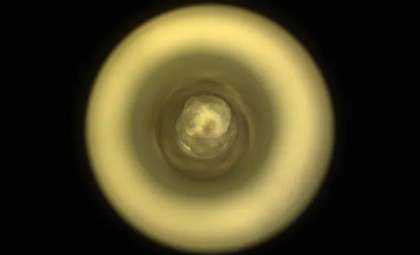
The Perseverance rover operates as a vital component of NASA’s Mars 2020 mission, part of the agency’s broader Moon to Mars exploration strategy. One main mission goal is to collect and store samples of Martian rock and soil, some of which may eventually be transported back to Earth for detailed examination.
This approach enhances the likelihood of detecting subtle biosignatures that in situ instruments might overlook or misinterpret. Managed by the Jet Propulsion Laboratory (JPL) and conducted under NASA’s Science Mission Directorate, Perseverance continues to advance our understanding of Mars’ past potential for hosting life.
- Categories:
- News




0 comments
Sign in to Comment