
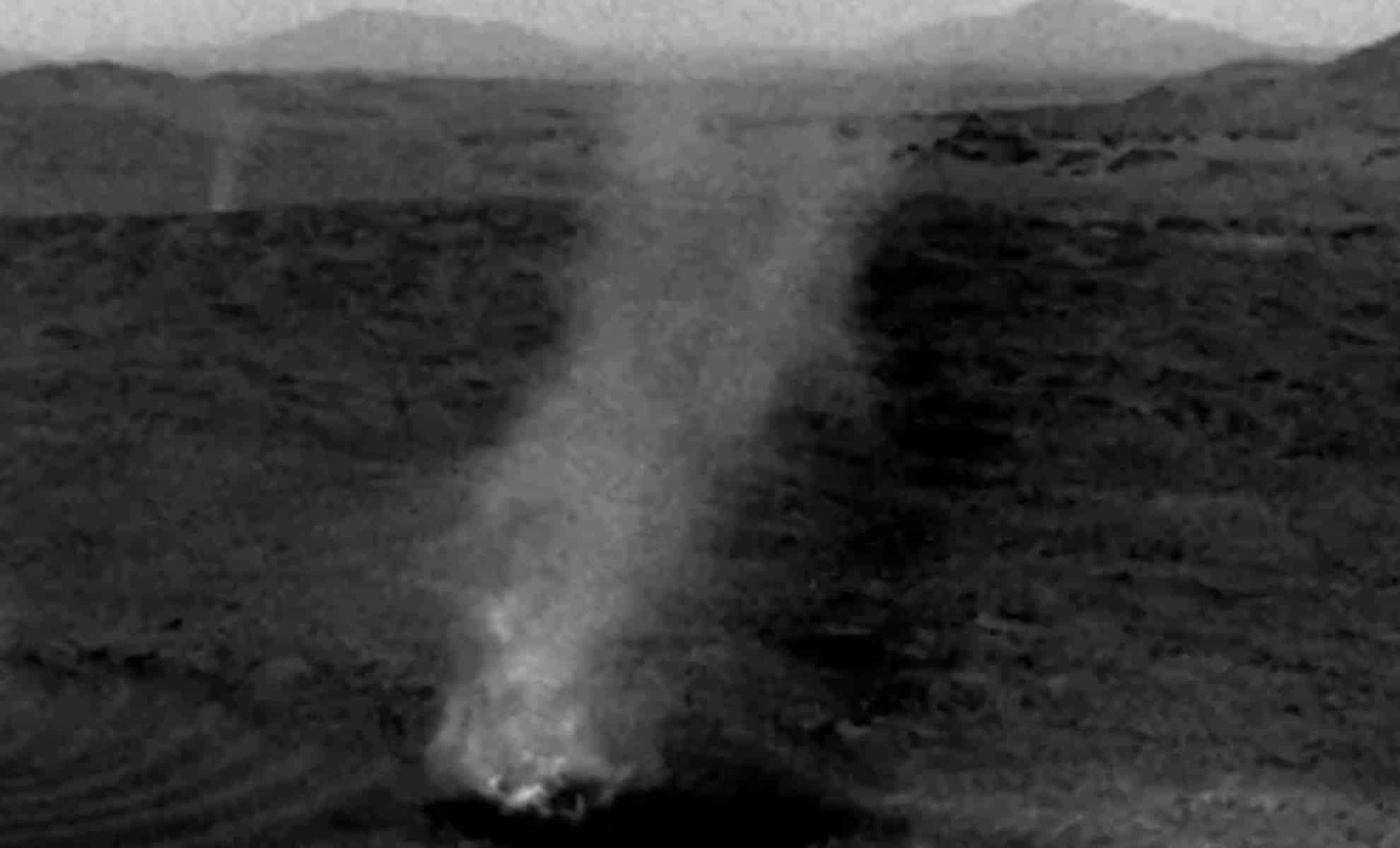
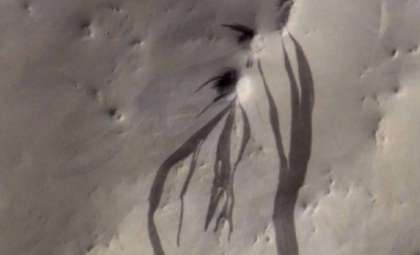
Data from NASA's Perseverance Rover suggests a remarkable new insight into Martian dust devils—electrified atmospheres that may produce lightning-like discharges. Presented at the 2025 Lunar and Planetary Science Conference (LPSC), this discovery enhances our understanding of how charged dust particles interact on Mars. Complementary research from the 2025 European Geosciences Union (EGU) assembly explores the dynamics of charged particles within dust devils, while a study in the Physics of Plasmas journal examines the electric fields these dust particles generate, shedding light on potential hazards for future missions.
Exploring Electrification in Martian Dust Devils
Though electrified dust devils have been studied extensively on Earth—where dust particles gain charge through triboelectric processes involving collisions and friction—the Martian environment offers a unique setting for these phenomena. The research highlighted at the LPSC 2025 confirms that similar mechanisms exist on Mars, with airborne dust becoming electrified through particle interactions. The paper states, “Electrification of airborne dust is a known phenomenon on Earth, caused by charge transfer from collisions and frictional contact between windblown particles.” These electric fields may influence Martian atmospheric behavior and pose challenges for robotic explorers. Notably, Martian dust devils may generate stronger electric fields than those on Earth, potentially altering their overall effect on the environment.
Charge Separation Mechanisms Within Dust Devils
While the exact physical underpinnings of triboelectric charging remain elusive, experimental observations indicate a consistent pattern: larger dust particles tend to carry a positive charge, whereas smaller particles accumulate negative charge. During dust devil activity, the smaller particles rise with turbulent winds, while the larger ones fall, causing separation of charges. This phenomenon results in the development of intense local electric fields. Researchers explain, “The physics of this triboelectric charging is still poorly understood, but experimental observations indicate that large particles tend to be positively charged, while smaller particles tend to be negatively charged.” These fields affect dust movement, potentially lifting more particles and triggering lightning-like electrical discharges, posing risks for human and robotic operations on Mars.

Potential for Lightning in Martian Dust Storms
This research raises the possibility that dust devils on Mars could generate lightning under the right conditions, a rare event on Earth. The study emphasizes that as dust within these vortices acquires varying charges depending on particle size and distribution, the resulting electric fields might rise above a critical threshold due to Mars’ low atmospheric conductivity. According to the paper, “The dust, which exhibits vertical and lateral size distributions within the dust devils, gets charged due to triboelectric charging. The charge separation in this process and weak atmospheric conductivity might yield a massive charge buildup and large electric fields within the vortex.” Should such discharges occur, they could hinder rover operations or damage sensitive equipment, marking a notable challenge to Martian exploration.
How Perseverance Detected This Electrification
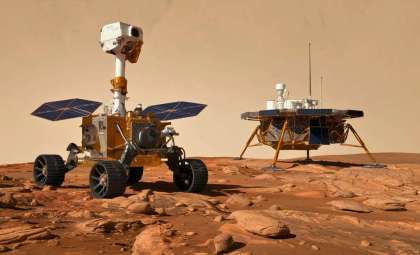
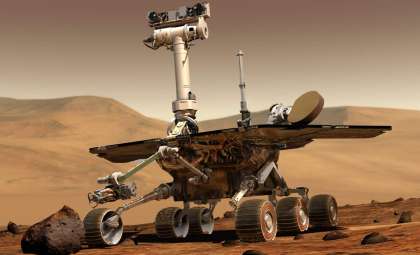
The Perseverance Rover was instrumental in capturing this phenomenon. On its 215th Martian day (Sol 215), as a dust devil passed nearby, the rover’s SuperCam microphone recorded an exceptionally strong and distinct acoustic pattern. After filtering out typical noise from dust impacts, researchers identified a prominent signal spike followed by a relaxation phase and a subsequent peak, consistent with an electromagnetic event caused by atmospheric electrical discharge. The team summarizes, “This observation by the SuperCam microphone constitutes the first direct detection of a triboelectric discharge in the atmosphere of Mars.” The electric field strength linked to this event may have reached approximately 25 kV/m, aligning with Mars’ predicted electrical breakdown limits. This discovery underscores that Martian dust devils may not only mobilize dust but also create electric discharges analogous to lightning, impacting how future missions prepare for Martian weather conditions.
- Categories:
- News


0 comments
Sign in to Comment