
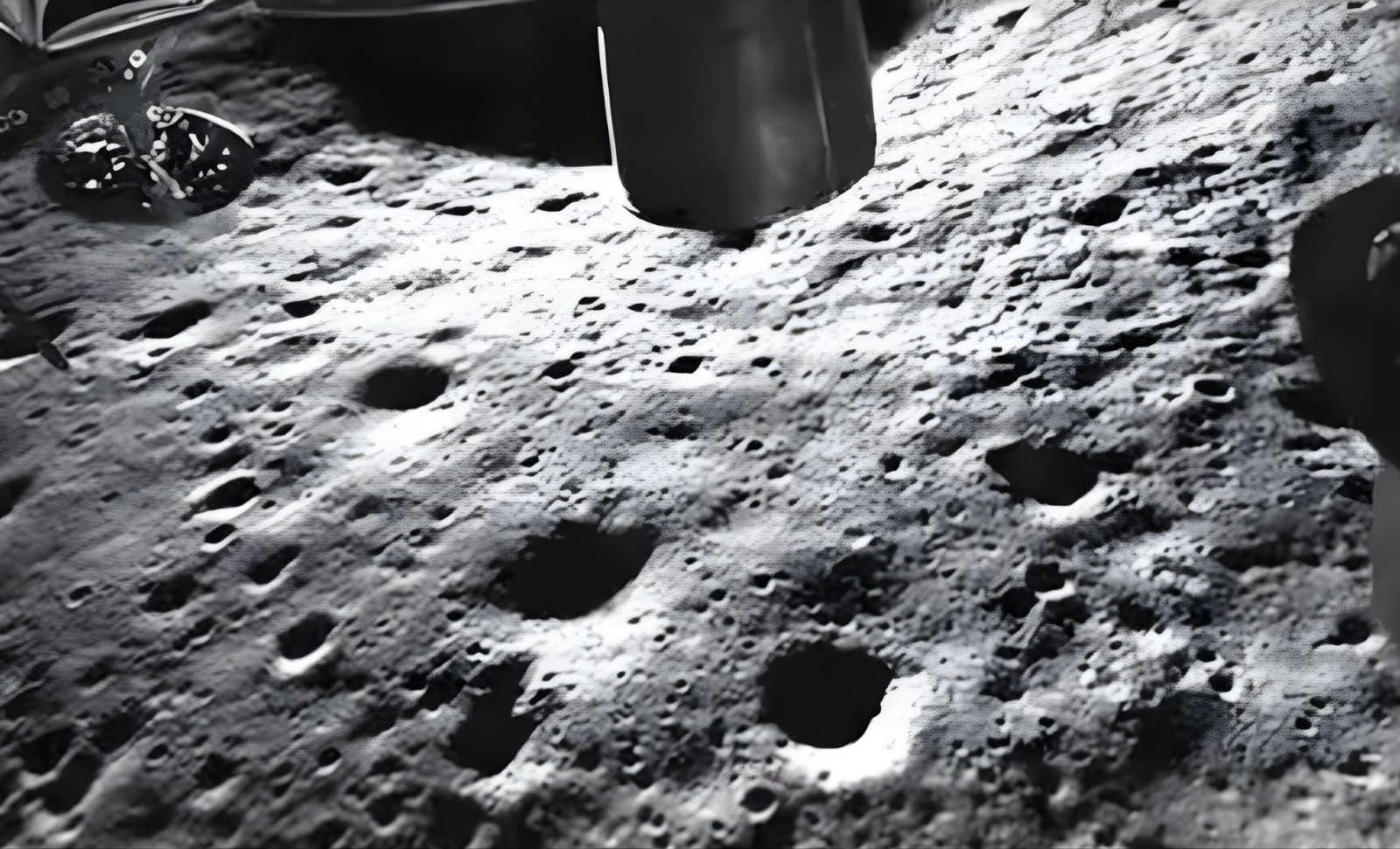
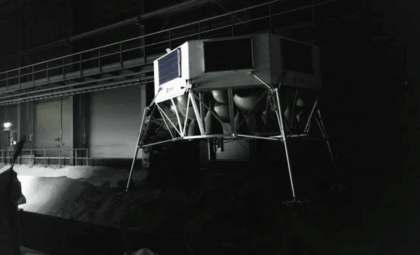
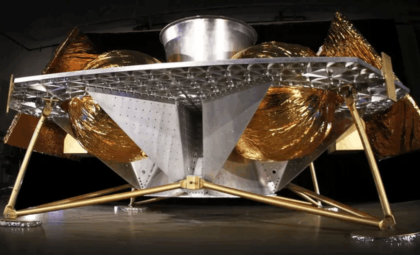
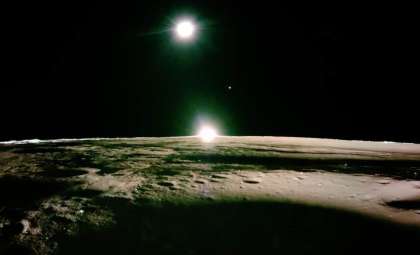
NASA recently released stunning visuals showing a lunar lander’s engine plumes interacting visibly with the Moon’s surface during its final descent, offering a compelling glimpse of a seldom-seen event. These images were recorded on March 2 during the Blue Ghost mission in the Mare Crisium area. This mission is part of the agency’s Commercial Lunar Payload Services (CLPS) program, which collaborates with private companies to deliver equipment to the lunar surface. While numerous missions have landed on the Moon previously, none have captured this precise moment with such clarity.
Thousands of Images Document Plume-Surface Interaction in Detail
The breakthrough owes itself to the SCALPSS 1.1 camera array (Stereo Cameras for Lunar-Plume Surface Studies), composed of six cameras. Among them, four feature short focal lengths, enabling the system to capture over 3,000 photos at a swift rate of 8 frames per second during Blue Ghost’s approach. These observations began at approximately 91 feet (28 meters) above the Moon’s surface, a relatively low altitude that nonetheless reveals intricate plume dynamics.
NASA reports that the initial interaction between the lander thrusters and lunar surface was observed at about 49 feet (15 meters). From that point onward, the lander’s high-velocity thruster plumes stirred up clouds of lunar dust, loose soil, and rocks—collectively known as regolith. This swirling dust briefly obscured the camera’s view, but as the lander settled and engines powered down, the haze faded away, revealing freshly disturbed lunar terrain.

Rob Maddock, SCALPSS project lead, conveyed in NASA’s announcement that the data captured is exactly what the team was aiming for.
“The 3000-plus images we captured appear to contain exactly the type of information we were hoping for in order to better understand plume-surface interaction and learn how to accurately model the phenomenon based on the number, size, thrust and configuration of the engines,” he said, noting that the data will help improve engine configuration and risk models for future missions.
Insights for Artemis and Beyond
SCALPSS 1.1 also includes two long-focal-length cameras that captured images before the thrusters began agitating the surface. These initial photos serve as baseline “before” snapshots against which scientists can compare the post-landing dusty landscape.
Combining the six cameras’ data enables researchers to generate precise 3D digital terrain maps using stereo photogrammetry, a technique that constructs three-dimensional models by analyzing overlapping photographs. This method reveals both the movement of dust and the alterations in surface topography brought on by the landing.
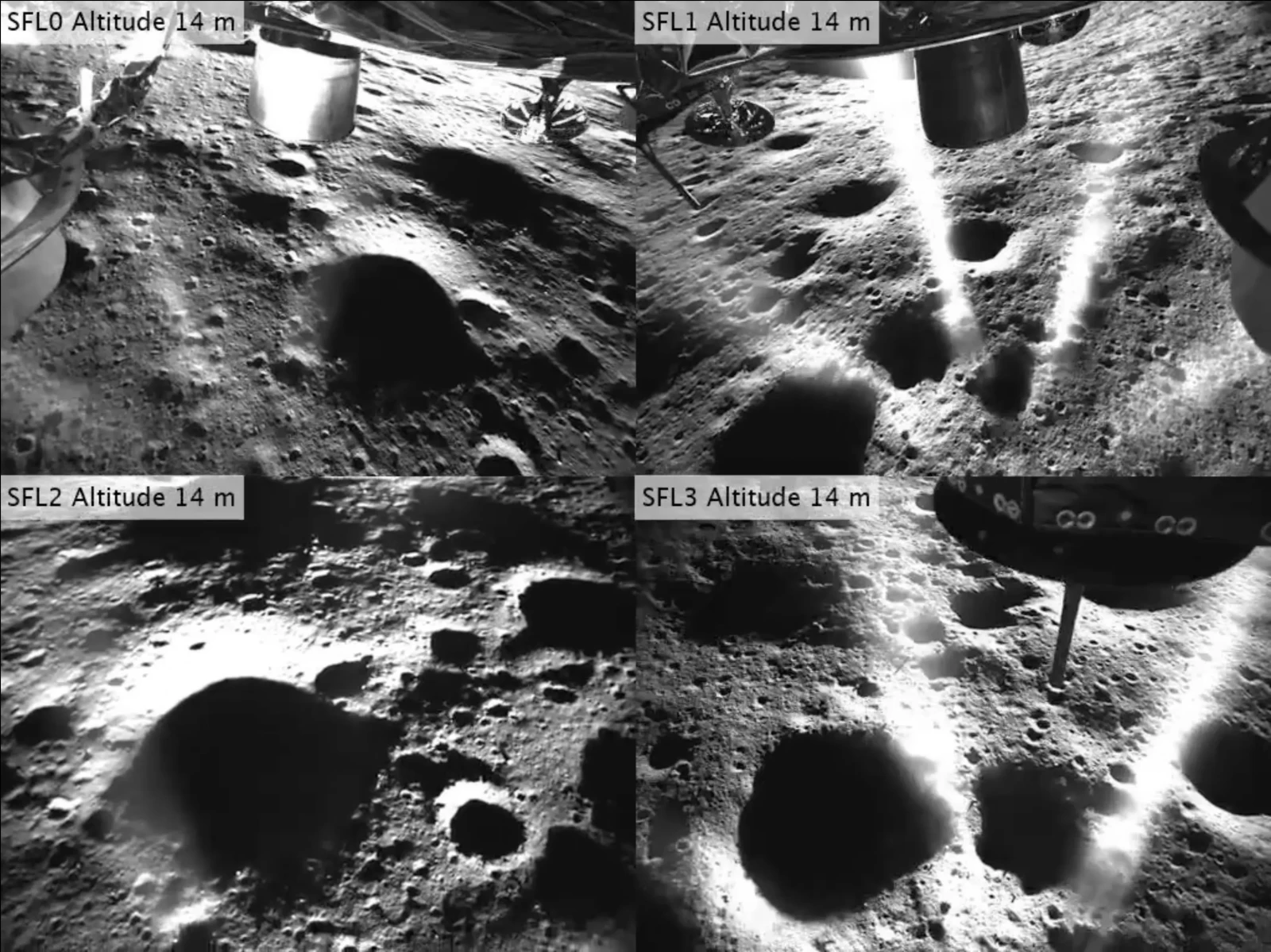
The cameras remain functional on the lunar surface, monitoring how surface conditions evolve across the lengthy lunar day and into the cold night. Changes in temperature and shadow are expected to provide new insights into the behavior of lunar dust.
Advancing 3D Surface Analysis for Upcoming Missions
As additional missions prepare to visit the Moon in the coming years, detailed data on landing impacts will be essential for safety assessments involving equipment, structures, and astronauts. Michelle Munk, SCALPSS principal investigator, emphasized the mission’s importance:
“The successful SCALPSS operation is a key step in gathering fundamental knowledge about landing and operating on the Moon, and this technology is already providing data that could inform future missions.”
This information will play a critical role as NASA advances both robotic and human missions through the Artemis program, where multiple landings near each other are planned.
- Categories:
- Space






0 comments
Sign in to Comment