
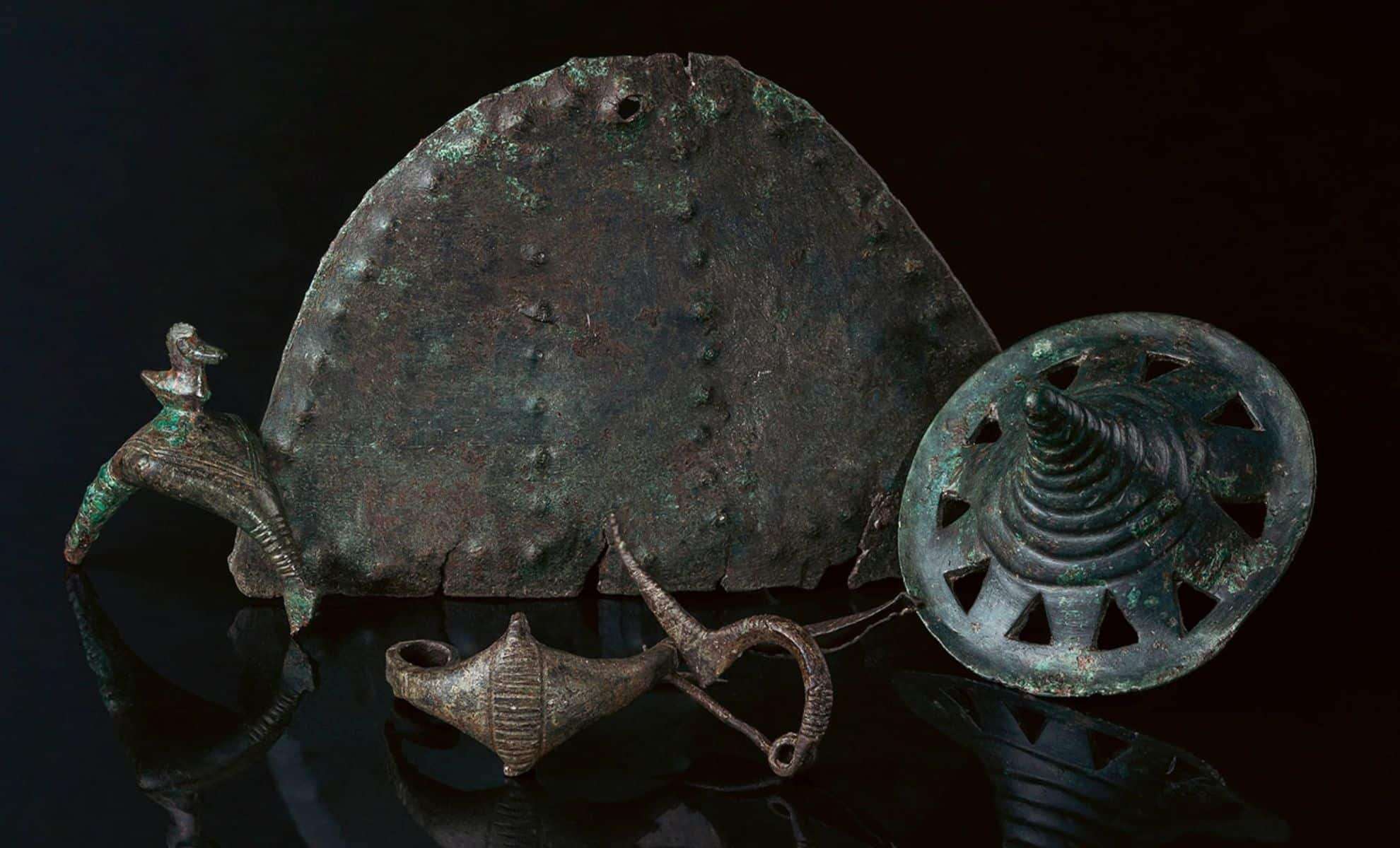
Archaeologists conducting research on Somló Hill in western Hungary have uncovered an impressive collection of more than 900 metal objects, some dating back over 3,400 years. These artifacts, which include ornaments and arms, were deliberately buried on this volcanic site, providing exceptional insight into the culture and practices of communities from the Late Bronze Age through the Early Iron Age. Although the exact identity of the people remains unknown, the finds shed new light on their way of life.
Discovering Extensive Metal Deposits
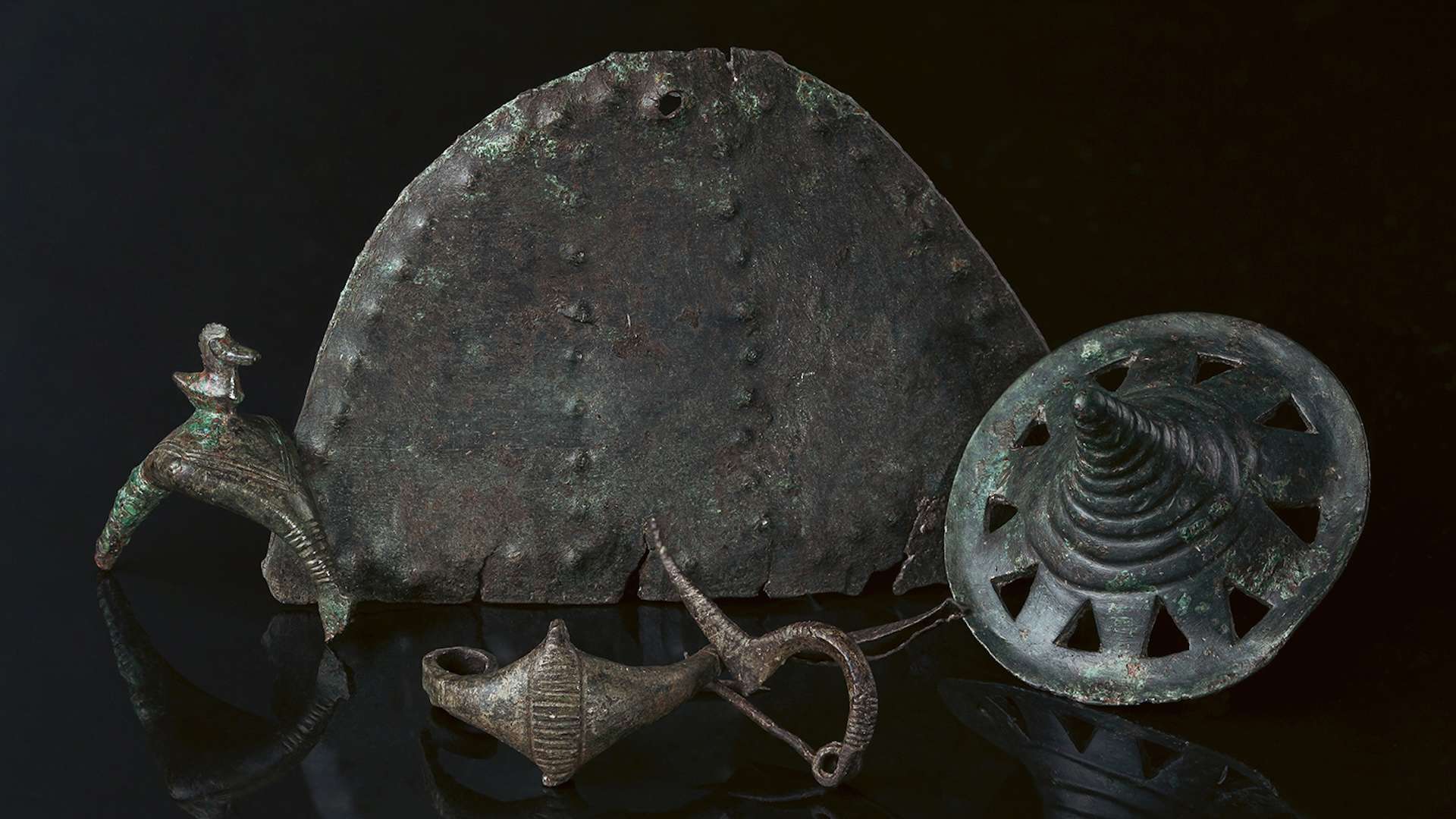
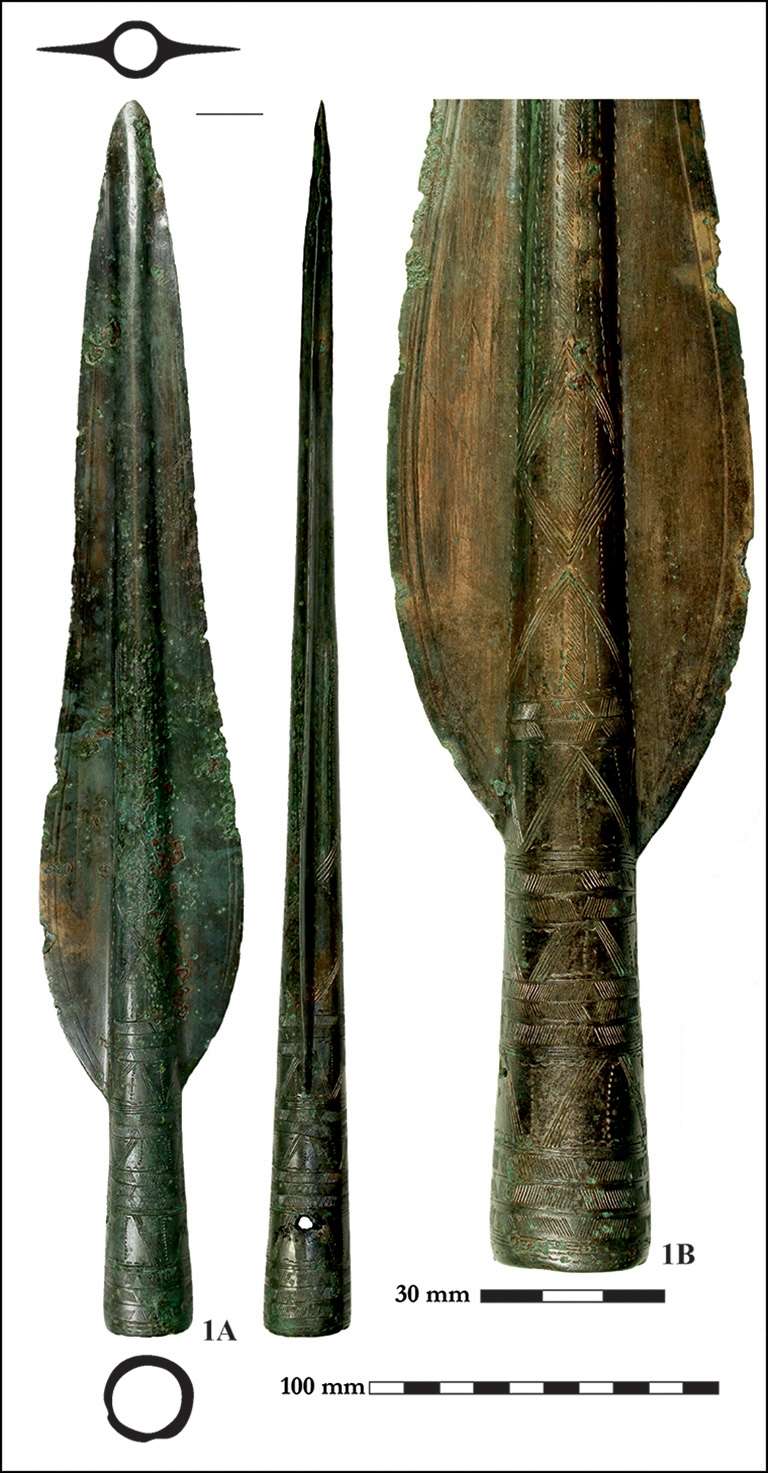
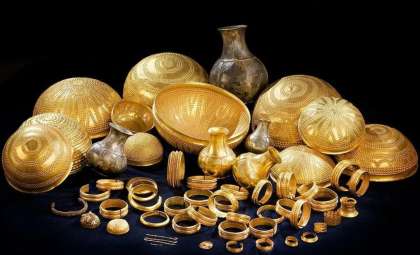
The excavation, detailed in the Antiquity journal and led by Bence Soós of the Hungarian National Museum, unearthed six distinct clusters of metal artifacts, some originating from as early as the 15th century BCE. These deposits include a diverse array of objects such as ornaments, ceremonial military accoutrements, weaponry, and bronze containers. Situated on the elevated southeastern slope of Somló Hill, the hoards highlight the strategic and possibly symbolic significance of the site. This breakthrough contributes to a richer comprehension of ancient European burial rituals.
The collection features items characteristic of the Late Bronze Age (circa 1400–1300 BCE), with the bulk of materials dating between approximately 1080 and 900 BCE. These finds underscore the community’s sophisticated metalworking skills, suggesting Somló Hill may have been a key hub for bronze craftsmanship, as many pieces display hallmark signs of local manufacture.

Revealing Cultural Practices through Hidden Metal Objects
A particularly notable aspect of the discovery is that several items were housed within ceramic containers—an unprecedented find for western Hungary dating to the end of the Late Bronze Age. Alongside metal artifacts, remains such as amber beads, textiles, leather fragments, and wild boar tusks were also recovered, offering further clues about the rituals or symbolic gestures of the era. This method of concealing valuables likely had ceremonial importance, hinting that these objects were interred as part of religious or ritual activities.
Besides the hoards, structural remains thought to be parts of a building were found, adding valuable context. Although no workshop dedicated to metalworking has been identified, evidence points to Somló Hill serving beyond a spiritual site—possibly a settlement inhabited by influential tribal leaders or elite groups.
Insights into Bronze to Iron Age Transformation
The site’s importance extends beyond the artifact hoards, providing crucial evidence about the transition period from the Bronze Age to the Iron Age—a phase that remains enigmatic in this region of Europe. Notably, Hoard V exemplifies the earliest known regional practice of intentionally burying metal objects, indicating ritual or symbolic metal deposit customs.
These findings reinforce theories that the region was dominated by tribal or clan communities, likely led by warrior elites. The combination of burial customs and discovery of weapons and military ornaments points to Somló Hill as an influential power center during this historical shift. Such revelations are essential for unraveling how social systems evolved across Europe during that era.
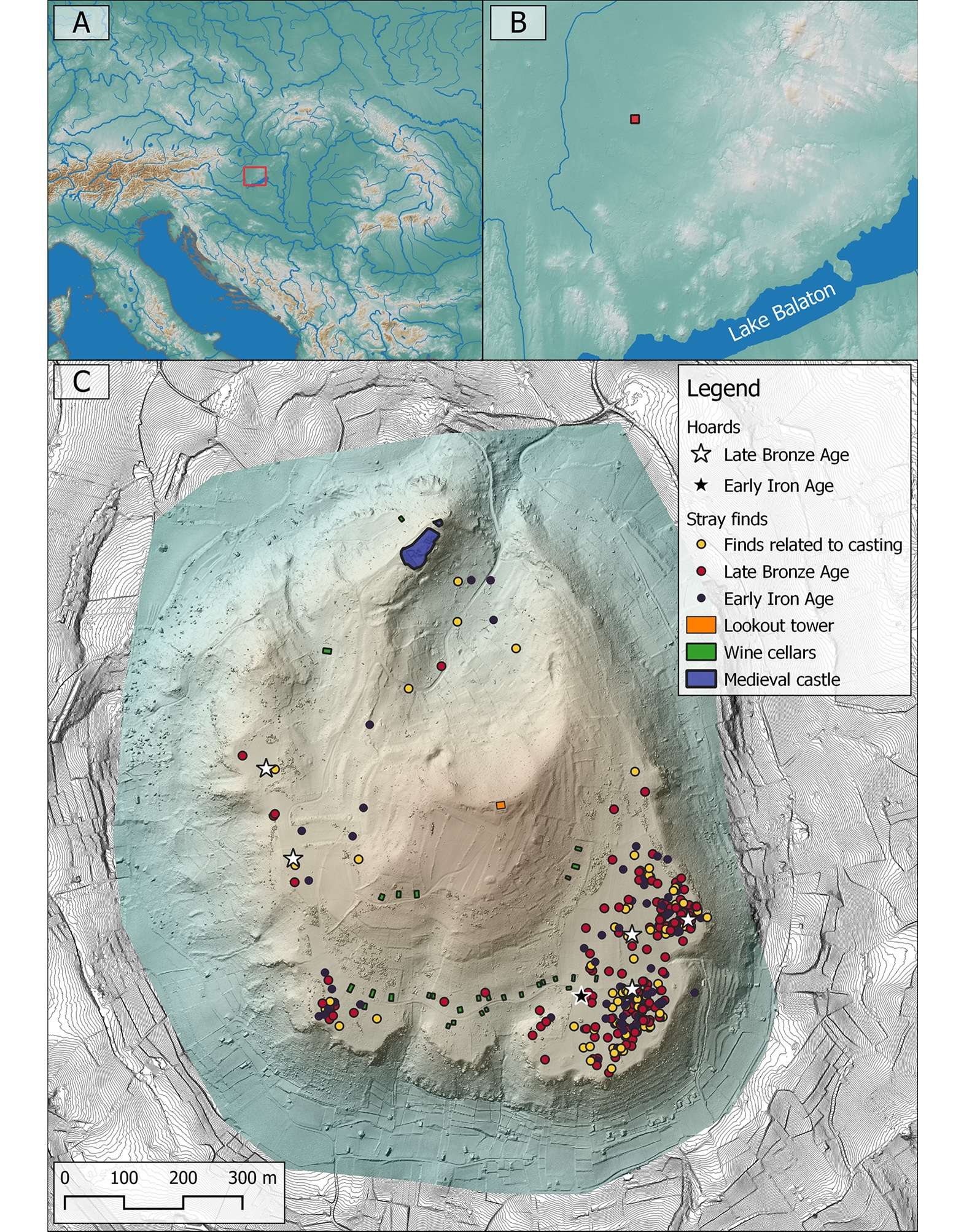
As of April 2025, excavators have recovered over 900 metal objects, predominantly from the hill’s southeastern plateau. Their ongoing work aims to further clarify the timeline and ceremonial contexts of these burials. Advanced technologies such as lidar (light detection and ranging) and precise metal detection tools have been instrumental in mapping the site, setting the stage for future discoveries that will deepen our understanding of this ancient culture.
- Categories:
- Science







0 comments
Sign in to Comment