
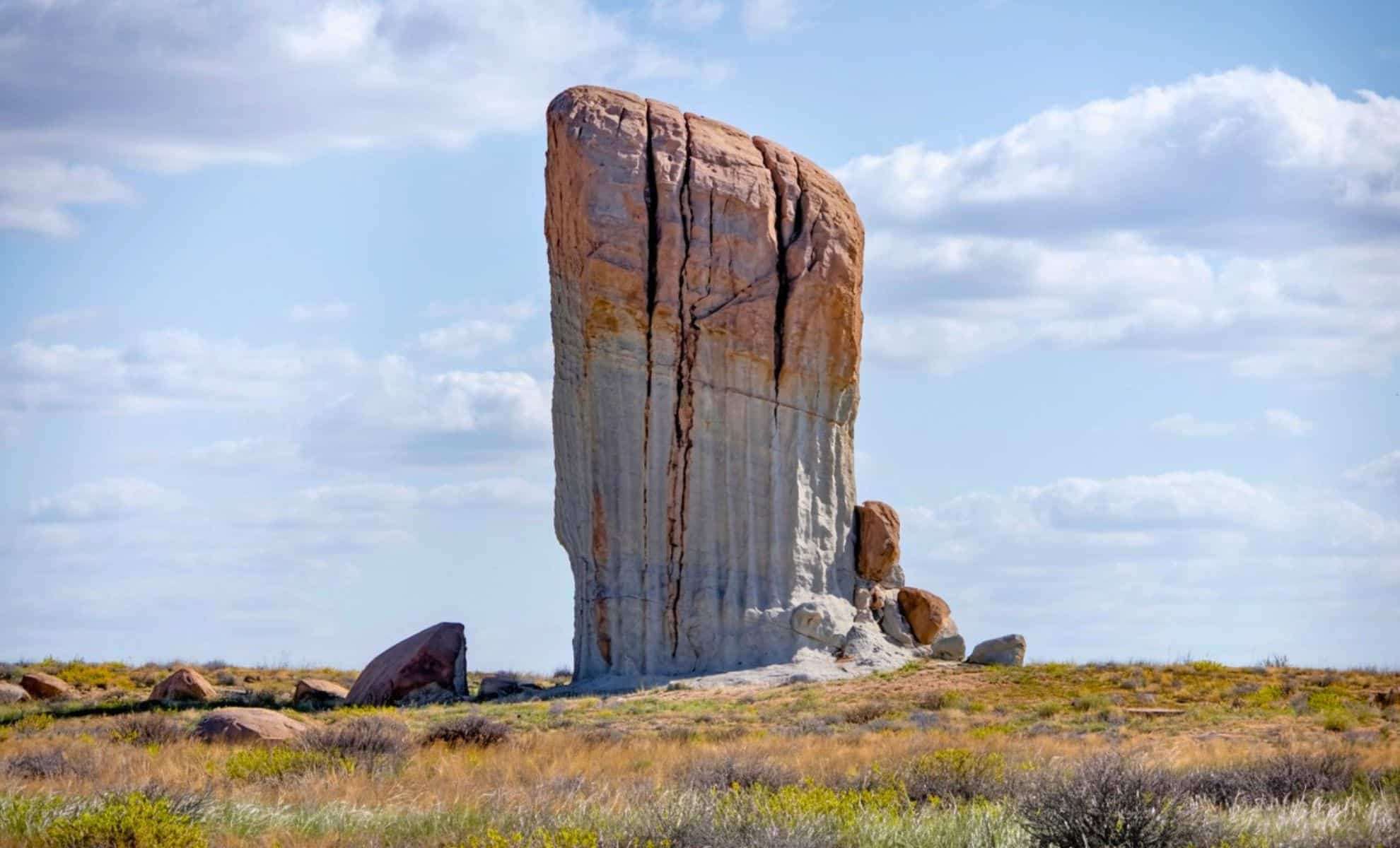
Deep within a tranquil woodland in central England, an extraordinary archaeological find has emerged: a 3,700-year-old ceremonial site, long hidden beneath layers of earth and vegetation. This significant revelation began with a student’s keen observation and has since unveiled a complex prehistoric ritual environment closely linked to Bronze Age ceremonies and ancient water veneration.
Discovering a Hidden Past on a Woodland Walk
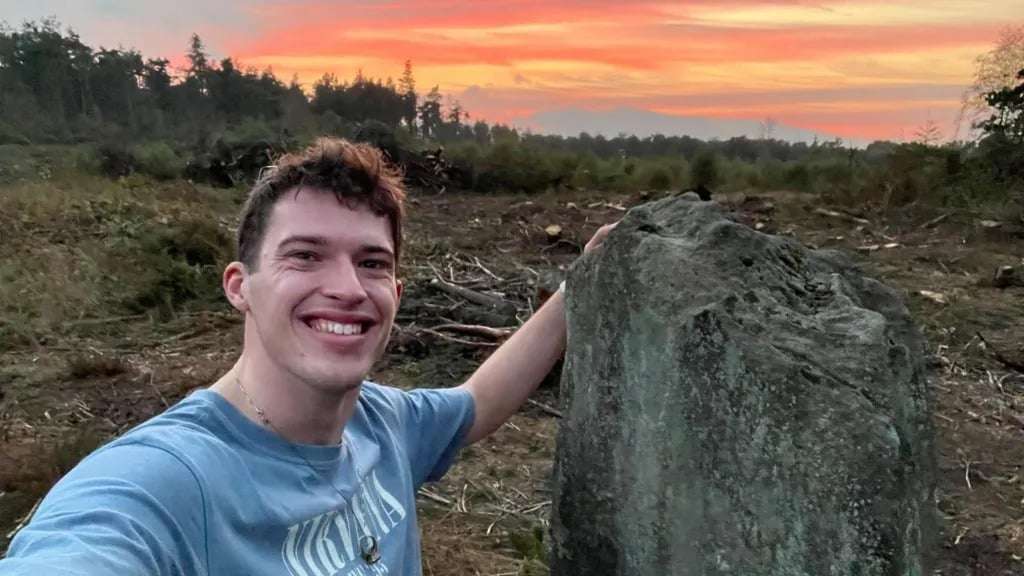
George Bird, a passionate 24-year-old archaeology admirer, had always felt that the six-foot standing stone located in Derbyshire’s Farley Moor forest was more than a lone marker.
“I guess over time, I just started to wonder if there might be more to this standing stone up in my local woods,” he explained to the BBC.
Add Cosmo Herald as a Preferred Source

Having frequently ventured to stone circles during his hikes, Bird was intrigued by this particular stone found in a rarely examined area. He meticulously documented his findings and shared them with Forestry England, the agency charged with overseeing the UK's forestlands.
This submission caught the attention of Forestry England’s archaeological experts and the team from the noted British TV show Time Team, who teamed up to explore the site further.
Unraveling an Ancient Ritual Arrangement
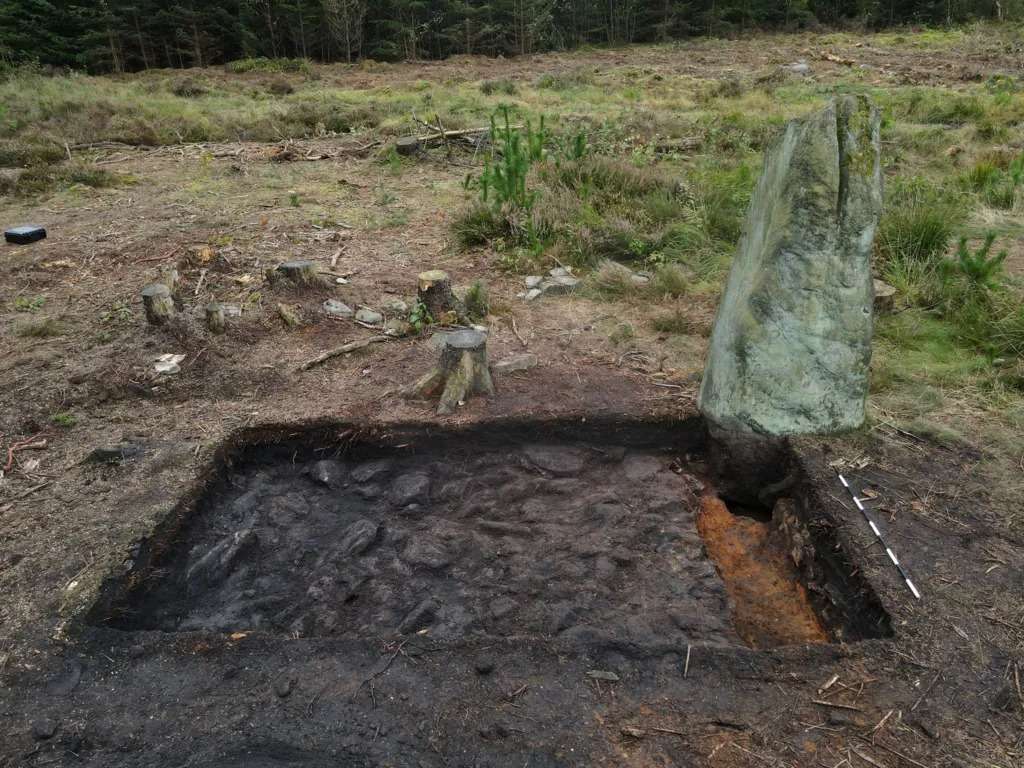
The excavation revealed far more than anticipated. Beneath the standing stone, archaeologists uncovered a stone platform deliberately constructed over a natural spring that continues to feed Bentley Brook, which flows into the River Derwent.
The monument’s central location near the water source reflects the critical role of water in Bronze Age spiritual ceremonies. The team also found five other stones that likely stood upright in an oval layout measuring roughly 82 by 75 feet.
Carbon dating places the site around 1700 BCE, associating it with the broader tradition of ritual stone structures such as henges and circles constructed during the second and third millennia BCE.
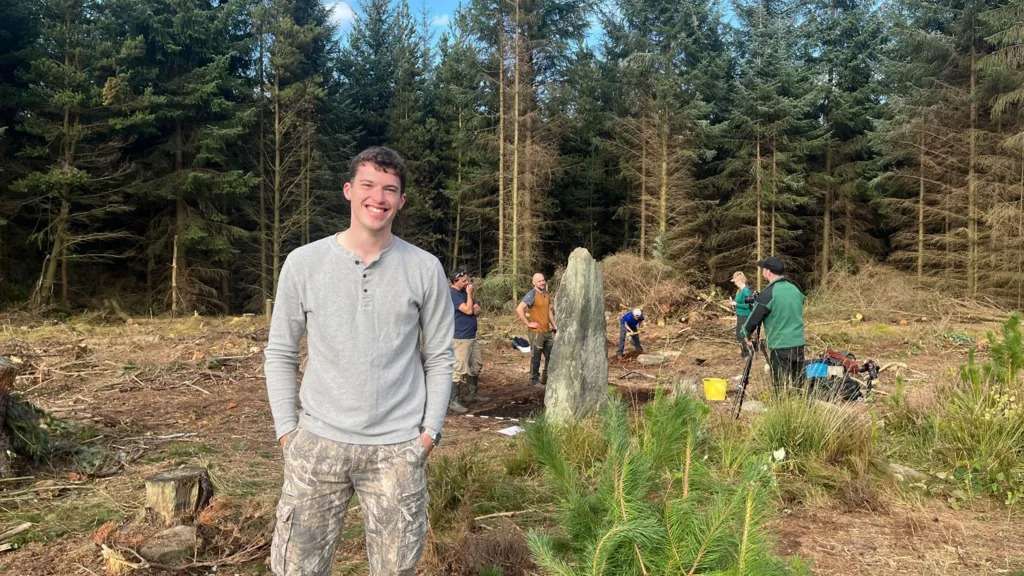
Forestry England’s lead historic environment advisor, Lawrence Shaw, remarked, “The discovery points to a far more intricate ceremonial area, with the standing stone as only one element.”
He noted that the stone platform predates the standing stone, indicating the site was a hub for ritualistic use over many years.
Reevaluating Bronze Age Sacred Geography in Britain
Experts emphasize that the site's proximity to continual water was intentional. “This level of activity suggests Bronze Age rituals were extensive, reaching beyond iconic sites like Stonehenge,” explained Derek Pitman, archaeology and anthropology associate professor at Bournemouth University.
The find sparks renewed attention to England’s forest landscapes, which Shaw asserts hold untapped archaeological treasures.
“We often celebrate our forested landscapes for their natural beauty and ecological significance, yet they also harbor some of England’s most extraordinary historical sites, monuments, and stories,” he stated.
While links between stone circles, ceremonies, and water worship are known, the Farley Moor site is remarkable for remaining undiscovered until Bird’s intervention. His role extended well beyond raising the alarm.
“I just couldn’t wait to get stuck in giving [the team] a hand with the excavation,” he told the BBC. “It’s just fantastic now finding out that this has all been confirmed, those peculiar rocks are in fact a larger monument.”
Moving Forward With New Investigations
Thanks to Bird’s proactive approach, Forestry England now protects the location officially. Additional digs are scheduled for the upcoming summer season, with archaeologists aiming to pinpoint the site’s origins, track its development, and uncover any related ceremonial structures concealed beneath the forest floor.
Shaw confirmed, “George is integral to this effort. While we knew the stone existed, we had no idea of the vast monument it belonged to until he got involved.”
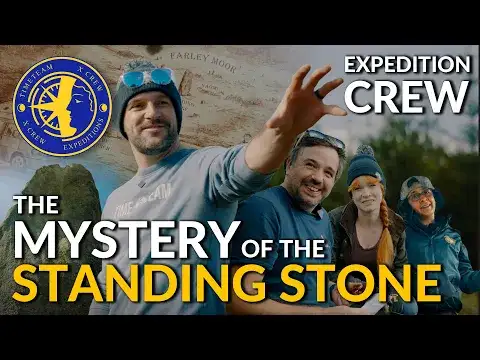
Often teasingly dragged by Bird on hikes to examine stone circles, his friends now see that those outings have rewritten a piece of Britain’s ancient history.
- Categories:
- Science




0 comments
Sign in to Comment