
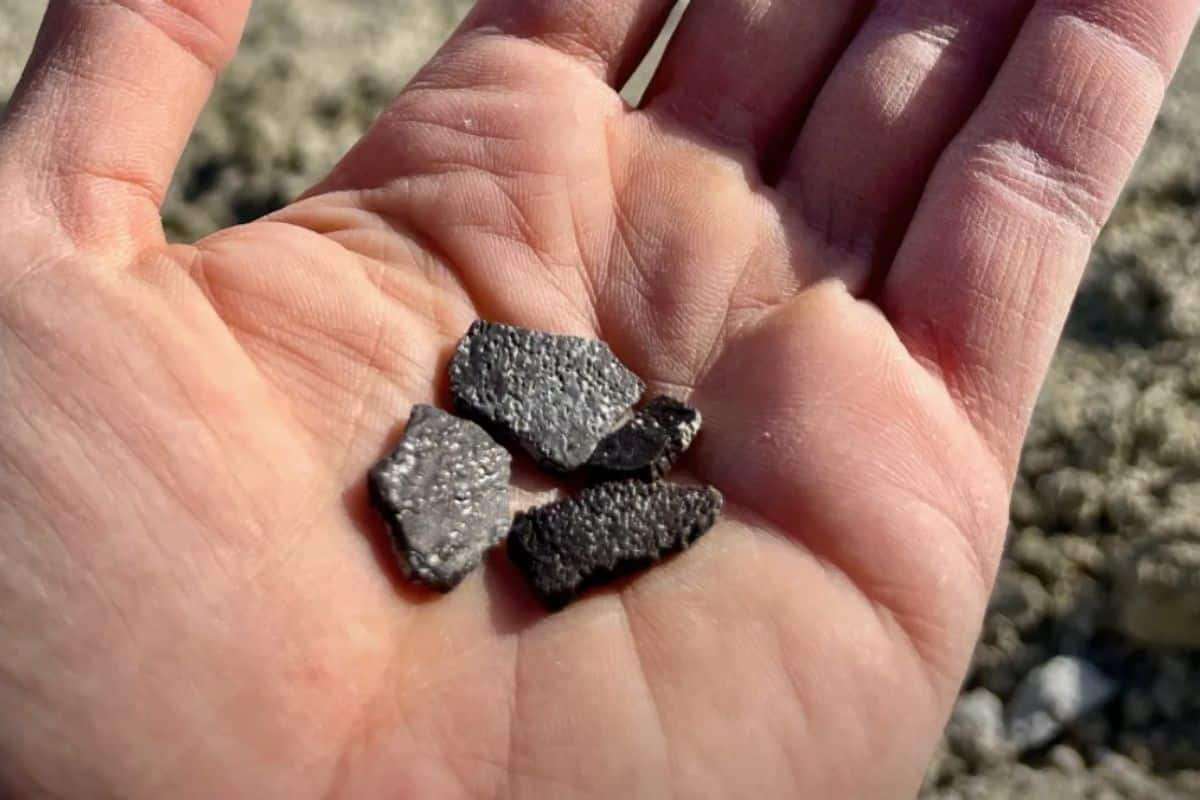
Fossilized dinosaur eggs uncovered in Utah's Cedar Mountain Formation have exposed a previously hidden spectrum of biodiversity during North America's Cretaceous era, revealing a world filled with diverse species—including a crocodile ancestor never before detected outside Europe.
A Wealth of Fossil Evidence Unearthed in Utah
Previously, scientists believed the Mussentuchit Member within the Cedar Mountain Formation contained only a single dinosaur egg type. This perspective changed when an international research team recovered more than 4,000 eggshell fragments from 20 excavation sites, uncovering an unexpected range of prehistoric fauna.
Through microscopic and scanning electron microscopy techniques, researchers identified at least six unique fossil egg types, known as ootaxa, demonstrating that numerous dinosaur species lived together in this area about 100 million years ago.
“What stands out to me is the array of elongatoolithid eggshells we've identified, corresponding to several types of oviraptorosaur dinosaurs,” said Dr. Josh Hedge, visiting Assistant Professor of Biology at Lake Forest College.
“Traditionally, it was assumed that a single dinosaur species occupied a particular ecosystem, but our findings suggest multiple species coexisted. We believe there were at least two or three oviraptorosaurs of varying sizes laying eggs simultaneously in this environment,” he added.

Discovering the Ancient Egg Layers
The diverse eggshell collection includes those from the Elongatoolithidae family, tied to oviraptorosaurs, which were feathered, bird-like dinosaurs. Other fragments were linked to Spheroolithus, produced by bipedal herbivorous dinosaurs called ornithopods.
Among the most remarkable surprises was the identification of Mycomorphoolithus kohringi, an egg type previously known only from Europe, indicating that a crocodylomorph, an ancient crocodile relative, inhabited North America during the Cretaceous.
Implications for Our Understanding of Dinosaur Communities
This discovery extends beyond simply adding to fossil records; it challenges previous assumptions about dinosaur diversity. The presence of multiple oviraptorosaur species implies that dinosaur populations were more varied and complex than once believed.
Rather than a system where only one species thrived per habitat, the evidence supports a scenario where several species from the same group adapted to different ecological roles and coexisted.
The detection of European crocodylomorph eggs in Utah fuels new questions regarding ancient species migration and the pathways they took to spread across continents.
A Dynamic and Intricate Cretaceous Ecosystem
Beyond individual species, the fossil eggs shed light on the wider Cretaceous ecosystem in North America. The variety in nesting habits points to a vibrant environment, where various dinosaurs and reptiles competed for resources, shared nesting sites, and likely interacted in complex ways that scientists are only beginning to decipher.
With each new fossil find, researchers reveal more about the ancient biosphere, illustrating a past far more interconnected and intricate than previously assumed.
The study, featured in PLOS ONE, highlights how even minuscule eggshell shards can unlock profound insights into prehistoric life.
- Categories:
- Science



0 comments
Sign in to Comment