
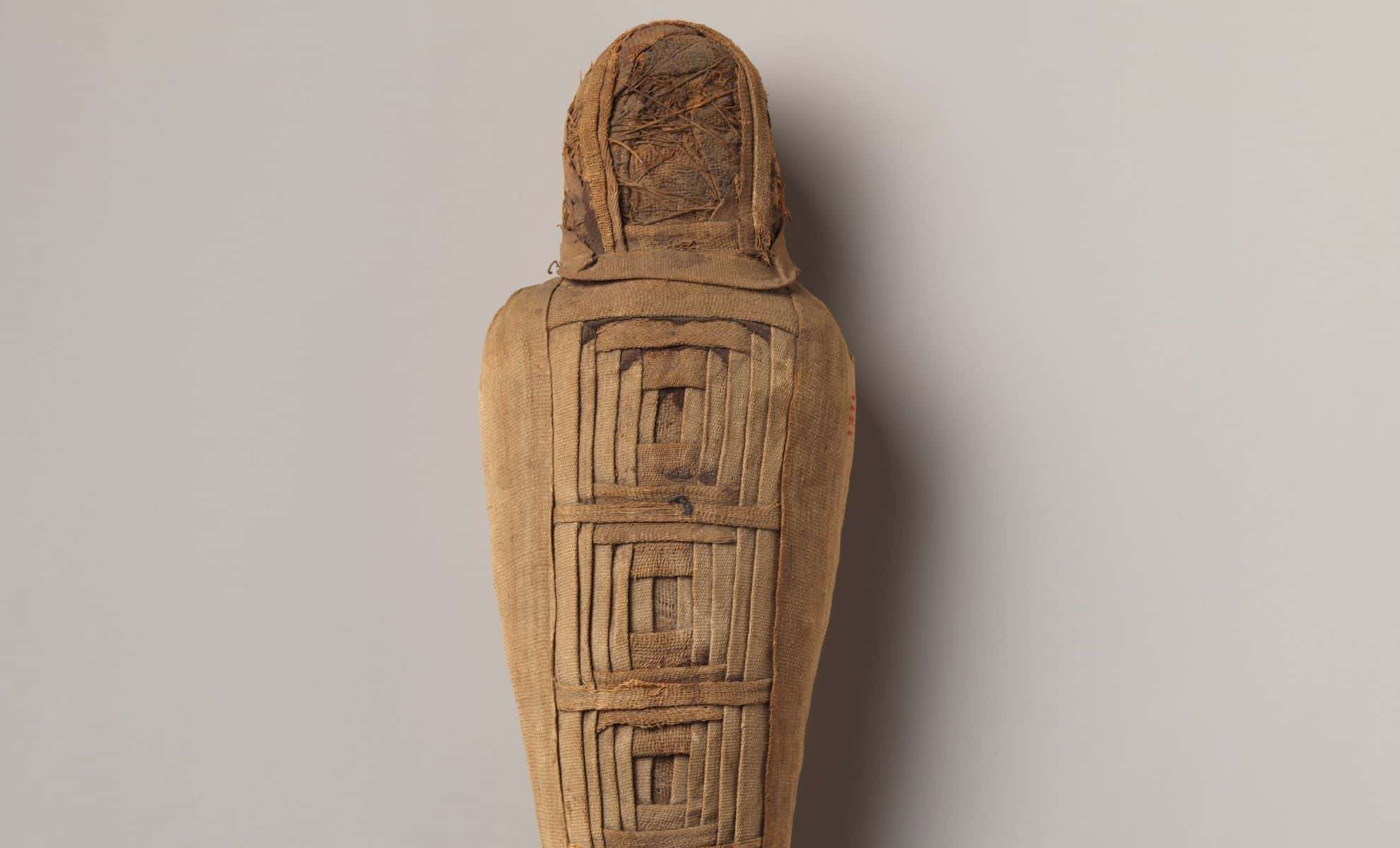
In the Caral region of Peru, archaeologists have uncovered a remarkable 5,000-year-old mummy within an ancient refuse heap.
This extraordinary find offers new perspectives on the funerary customs and social structures of the Caral civilization, a society that existed long before the Inca Empire.
Understanding the Caral Culture
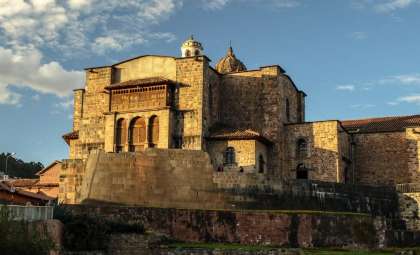
Caral thrived between 3000 and 1800 BCE and is recognized as one of the earliest urban societies in the Americas.

Located along the Peruvian coast, this civilization was notable for its innovative architecture, sophisticated farming methods, and active trading systems.
Caral stood as a major hub of cultural and political life well before the rise of the Incas.
Implications for Social Hierarchy
The discovery of the mummy amid trash rather than a formal tomb prompts questions about social ranking in Caral society.
Unlike many ancient communities that honored their dead with careful burials, the individual's resting place in discarded waste might imply lower social standing or exclusion.
This notion invites further research into social inequalities in Caral and which groups were granted ritual burials versus those who were not.
Insights into Burial Customs
Mortuary rituals in ancient times often mirrored an individual’s societal role, age, or prestige.
However, this find hints that Caral’s death-related traditions could have been more layered and selective than previously assumed.
According to a statement from Peru’s culture ministry, “This is an exceptional burial due to the preservation of skin, hair, and nails, a rare condition in this area, where usually only skeletal remains are recovered.”
Whether this interment was an anomaly or a hidden social practice remains under investigation.
Advances in Early Preservation Techniques
Preserved so well, the mummy reveals much about ancient embalming methods.
Scholars have long studied how early societies preserved bodies, with some showing impressive techniques that reached exceptional levels of preservation over millennia.
The Caral people likely applied sophisticated mummification practices that helped protect the remains in a challenging environment.
Reevaluating Ancient Social Structures
This finding encourages a fresh look at social organization in early civilizations.
The mummy’s burial within a refuse area instead of an honored site suggests varying statuses existed within Caral’s population.
If the location was chosen deliberately, it might indicate the individual was considered less deserving of formal funerary rites.
The Peruvian Ministry of Culture also reported, “A multidisciplinary team is currently investigating aspects related to health, death, diet, and the origin and use of the recovered objects.”
- Categories:
- Science


0 comments
Sign in to Comment