
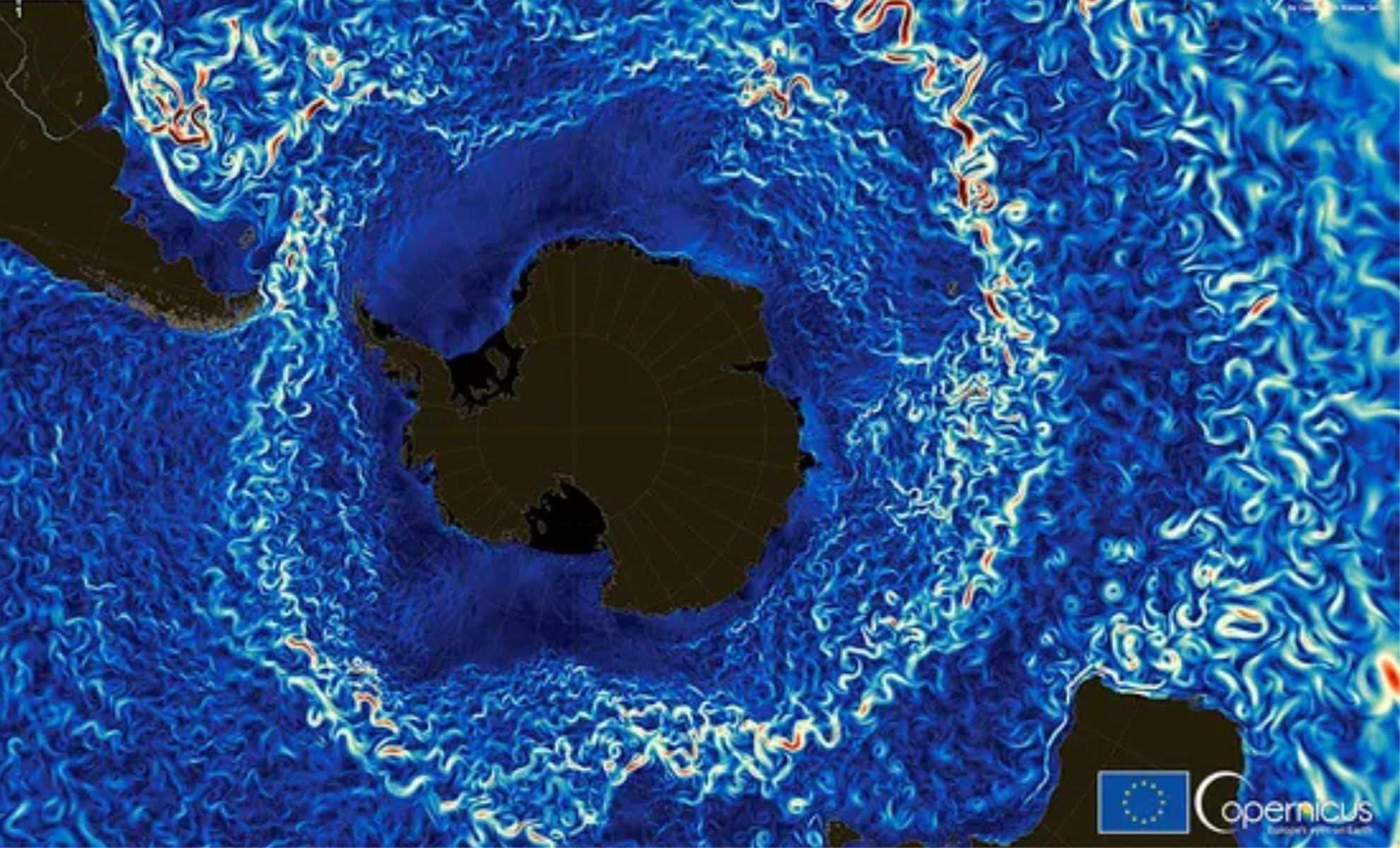
The Antarctic Circumpolar Current (ACC), the planet’s most powerful ocean current, is showing signs of significant decline, largely due to accelerated melting of Antarctica’s ice sheet. Newly published research in Environmental Research Letters warns that the current could diminish by as much as 20% by 2050, potentially disrupting climate dynamics, altering ocean temperatures, and contributing to rising sea levels worldwide.
Scientists at the University of Melbourne employed advanced supercomputer models to study the impact of freshwater from melting ice on the convection processes that drive the ACC. Their results indicate that this weakening current may hasten ice loss, exacerbate extreme weather events, and trigger widespread changes in marine ecosystems.
The Crucial Role of the Antarctic Circumpolar Current
The ACC channels an enormous volume of approximately 264 million gallons of water per second around Antarctica, forming a natural barrier that separates the Southern Ocean from other major ocean basins. It plays a vital role in Earth’s climate regulation by:

- Linking the Atlantic, Pacific, Indian, and Southern Oceans to stabilize global ocean temperatures
- Preventing non-native species from invading Antarctica’s sensitive marine habitats
- Shielding Antarctic ice from rapid melting by blocking warmer waters
A decline in the ACC’s strength could upset these balancing functions, triggering a chain reaction of disruptions across the world’s oceans.
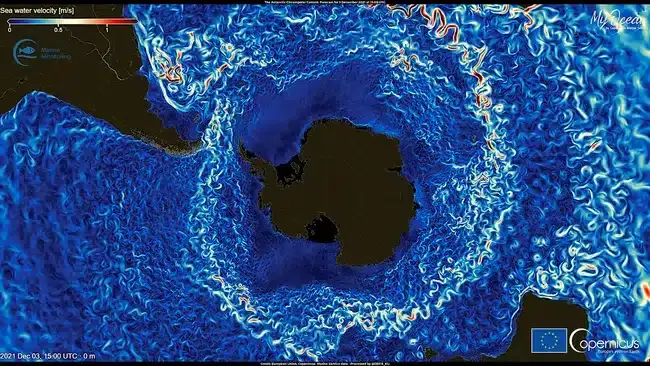
Impact of Melting Ice on Ocean Circulation
The study’s simulations reveal that melting Antarctic ice is injecting large volumes of cold, fresh water into the surface ocean, disrupting the typical convection cycle that transports cold water downward. With this mechanism impaired, the deeper layers of the Southern Ocean are warming, while meltwater spreads further north before sinking.
Changes in water density linked to this process are a key factor behind the weakening ACC, and carry several serious implications:
- Increased penetration of warmer waters toward Antarctica, hastening ice melt and contributing to sea level rise
- Disruption of global weather patterns and alteration of oceanic circulation
- Negative impacts on ecosystems relying on stable temperature conditions
Worldwide Effects of a Slower Ocean Current
Though the ACC’s decline is occurring in a notably remote area, its consequences will ripple globally. As a major force in ocean circulation, the ACC’s slowdown will influence other currents and climate systems.
Key worldwide effects include:
- An increase in extreme weather events due to altered heat distribution
- Accelerated sea level rise threatening vulnerable coastal areas
- Disturbance to marine species and fisheries dependent on specific thermal environments
- Greater chances of invasive species breaching Antarctic ecosystems as the protective current weakens
Importance of Continuous Observation
One challenge is the relatively short timespan of direct ACC monitoring, complicating the distinction between natural variation and human-driven changes.
Researchers stress the need for sustained, long-term observation through enhanced satellite technology, broader deployment of ocean sensors, and refined climate models to accurately track and understand these developments.
Urgent Call for Climate Action
The ongoing weakening of the Antarctic Circumpolar Current serves as another critical indicator of climate change’s profound impact on major Earth systems. While the extent of future disruptions remains uncertain, this research emphasizes the necessity of urgent efforts to combat global warming and preserve Antarctica’s ice sheet.
Unchecked Antarctic ice melt risks pushing vital ocean currents past tipping points, resulting in irreversible climate shifts. Scientists urge immediate greenhouse gas reduction to lessen the most severe consequences of this crisis.
- Categories:
- News









0 comments
Sign in to Comment