
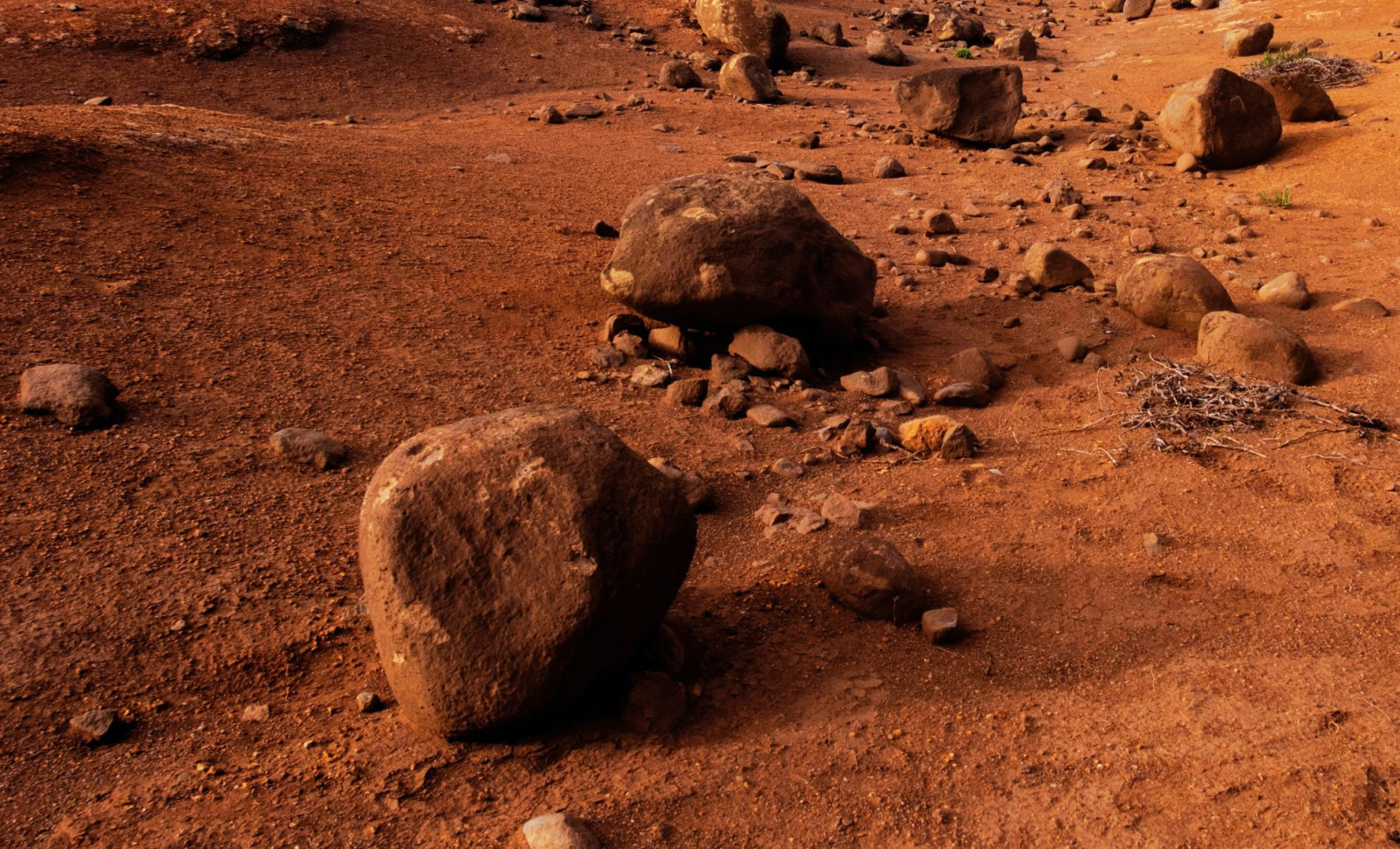
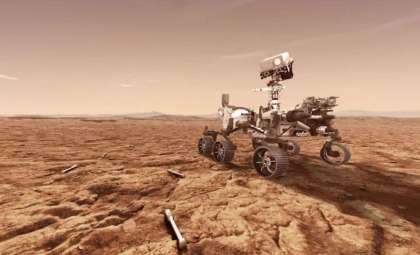
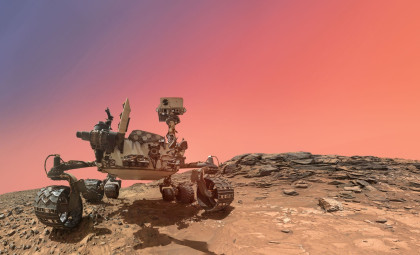
The Perseverance rover has uncovered significant amounts of nickel in ancient Martian rocks, hinting at a rich chemical environment dating back billions of years.
This discovery originates from the Neretva Vallis site and mirrors mineral patterns that on Earth sometimes indicate microbial influences. While this doesn't confirm past life on Mars, it provides a compelling clue in an extensive scientific exploration.
Since its arrival in February 2021, Perseverance has been examining Jezero crater, a 45-kilometer-wide basin thought to have once contained a lake. Research led by Dr. Henry Manelski and his Purdue University team highlights strong evidence of water activity, including river channels and sediment layers.

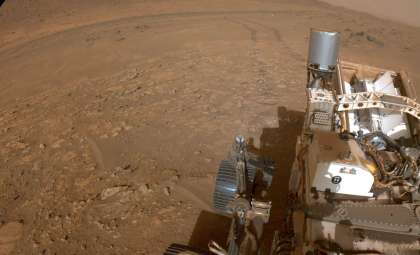
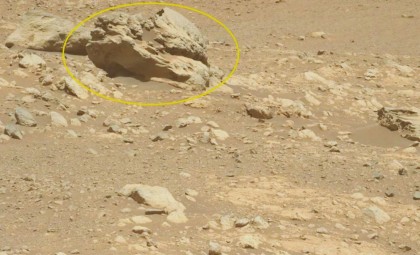
The rover has now reached Neretva Vallis, an ancient river mouth preserving sedimentary deposits from roughly 3 billion years ago.
Martian Bedrock Exhibits Unprecedented Nickel Concentrations
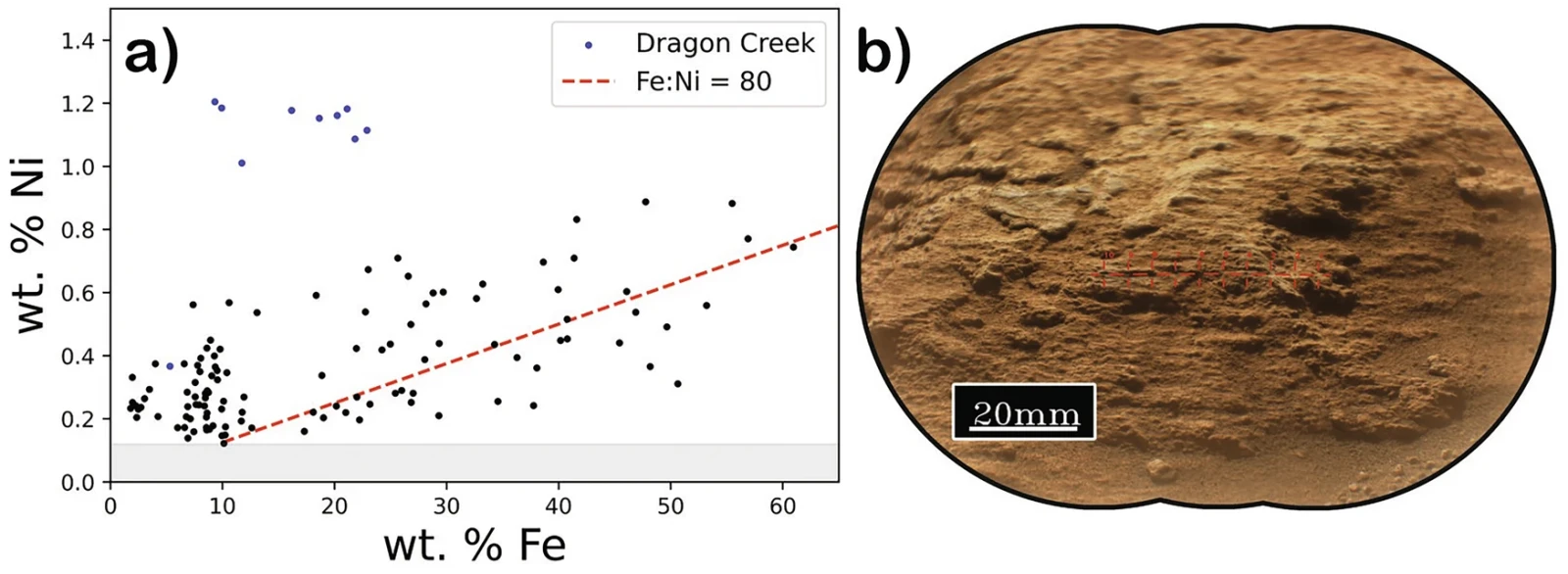
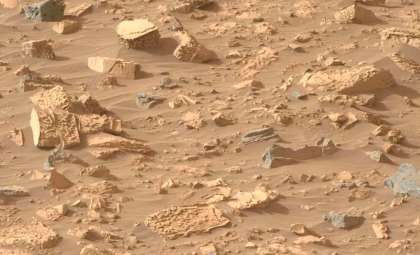
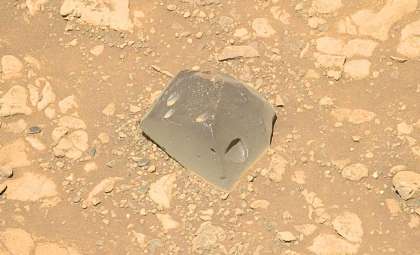
Using a suite of tools such as lasers, infrared detectors, and X-ray spectrometers, Perseverance analyzed 126 rock samples. Published in Nature Communications, results showed nickel present in 32 samples, with levels reaching up to 1.1% by weight.
“Generally, nickel is a trace element on the surfaces of Earth and Mars because the vast majority of it migrates into the planets’ cores during their formation. The substantial amount we have detected on the surface places unique constraints on how these rocks formed and were subsequently altered,” explained Henry Manelski.
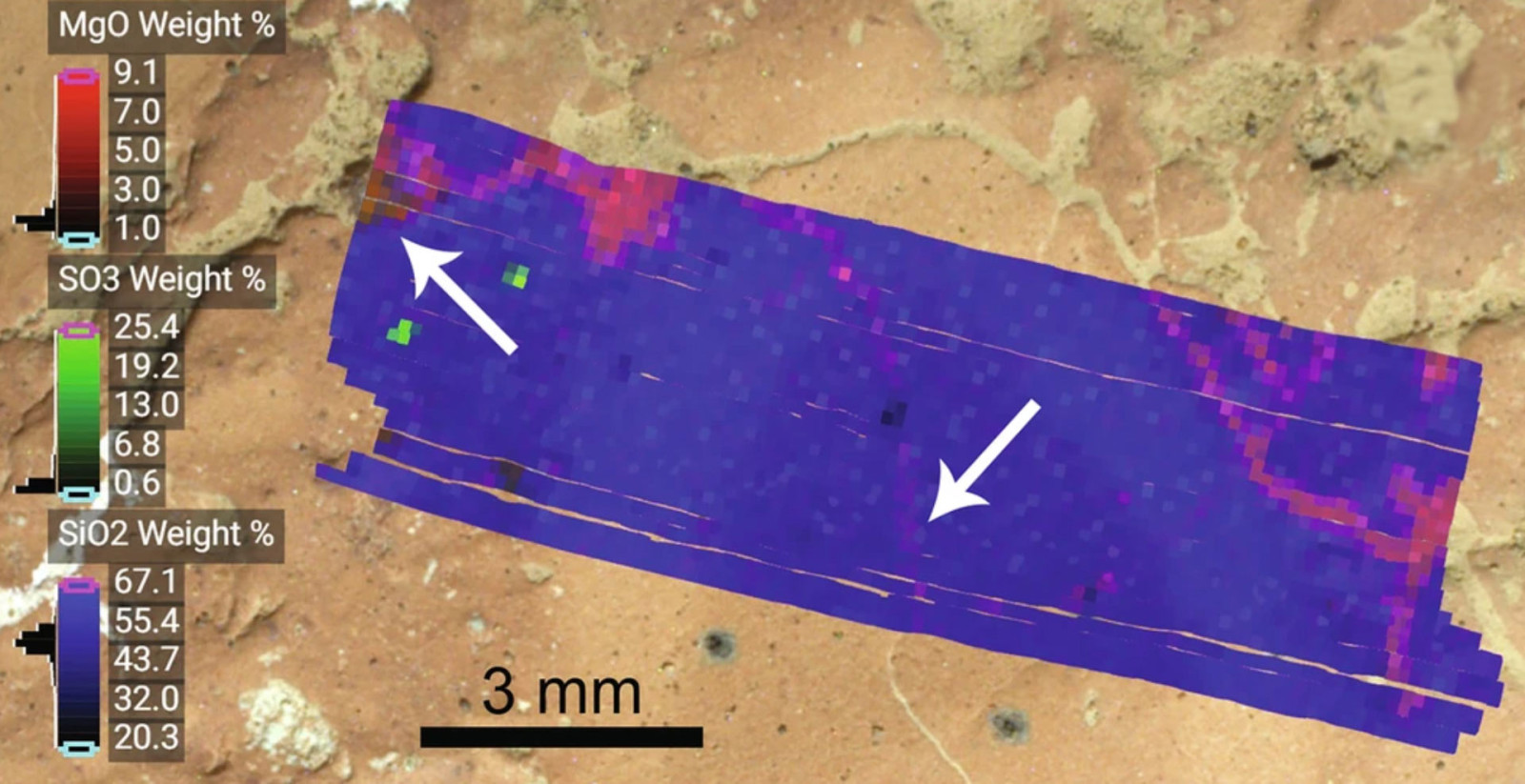
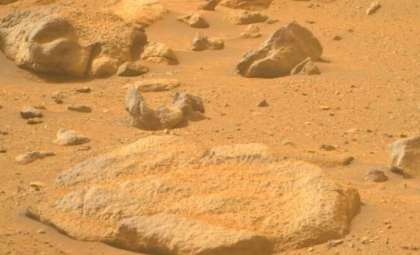
This represents the highest recorded nickel content in Martian bedrock. The nickel appears in association with iron sulfide minerals and sulfate compounds such as jarosite and akaganeite, which develop as the rocks undergo weathering. Manelski also remarked:
“Nickel-rich iron-sulfide is observed on Earth in ancient sedimentary rocks. Iron sulfide weathers easily in oxygen-rich environments, so its presence in ancient terrestrial rocks is one line of evidence used to demonstrate that Earth’s early atmosphere was once very oxygen-poor,”
Evocative of Terrestrial Mineral Structures
The resemblance of these Martian minerals to pyrite, a common iron sulfide found on Earth, surprised researchers. On our planet, such minerals are frequently linked to microbial activity, especially in environments with low oxygen where sulfate and iron chemistry dominate.
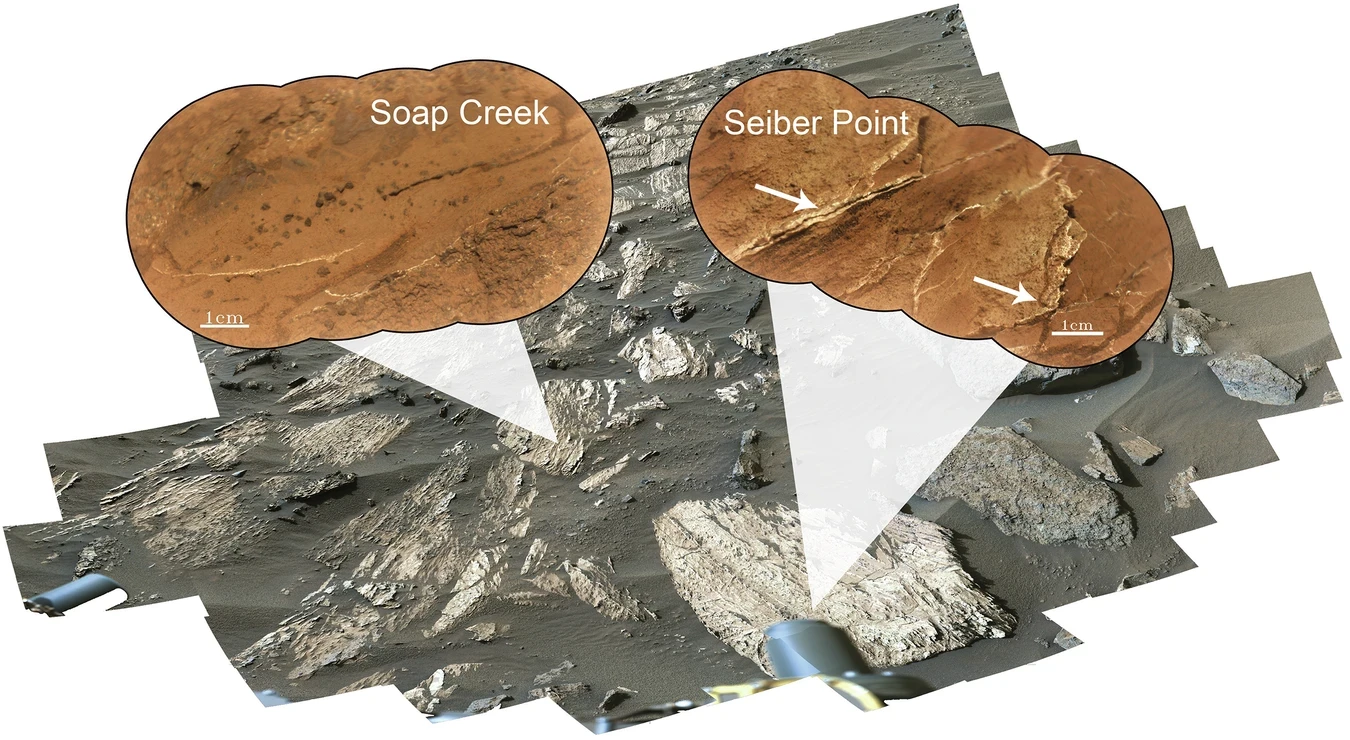
Additionally, the same area contains iron sulfides alongside organic carbon compounds, a combination possibly indicating biological origins, although non-biological processes could also be responsible.
“The presence of nickel-rich rocks indicates that, if living organisms had been present on early Mars, nickel may have been available in a form that they could have used.”
Origins Still Under Investigation
The provenance of the nickel is still unclear. Scientists propose that it may derive from the alteration of volcanic rocks or from the deposition of a nickel-rich meteorite.
“Further research is needed to determine the source of nickel in Neretva Vallis and to investigate possible connections between it and organic matter in this location,” the authors concluded.
- Categories:
- Space




0 comments
Sign in to Comment