
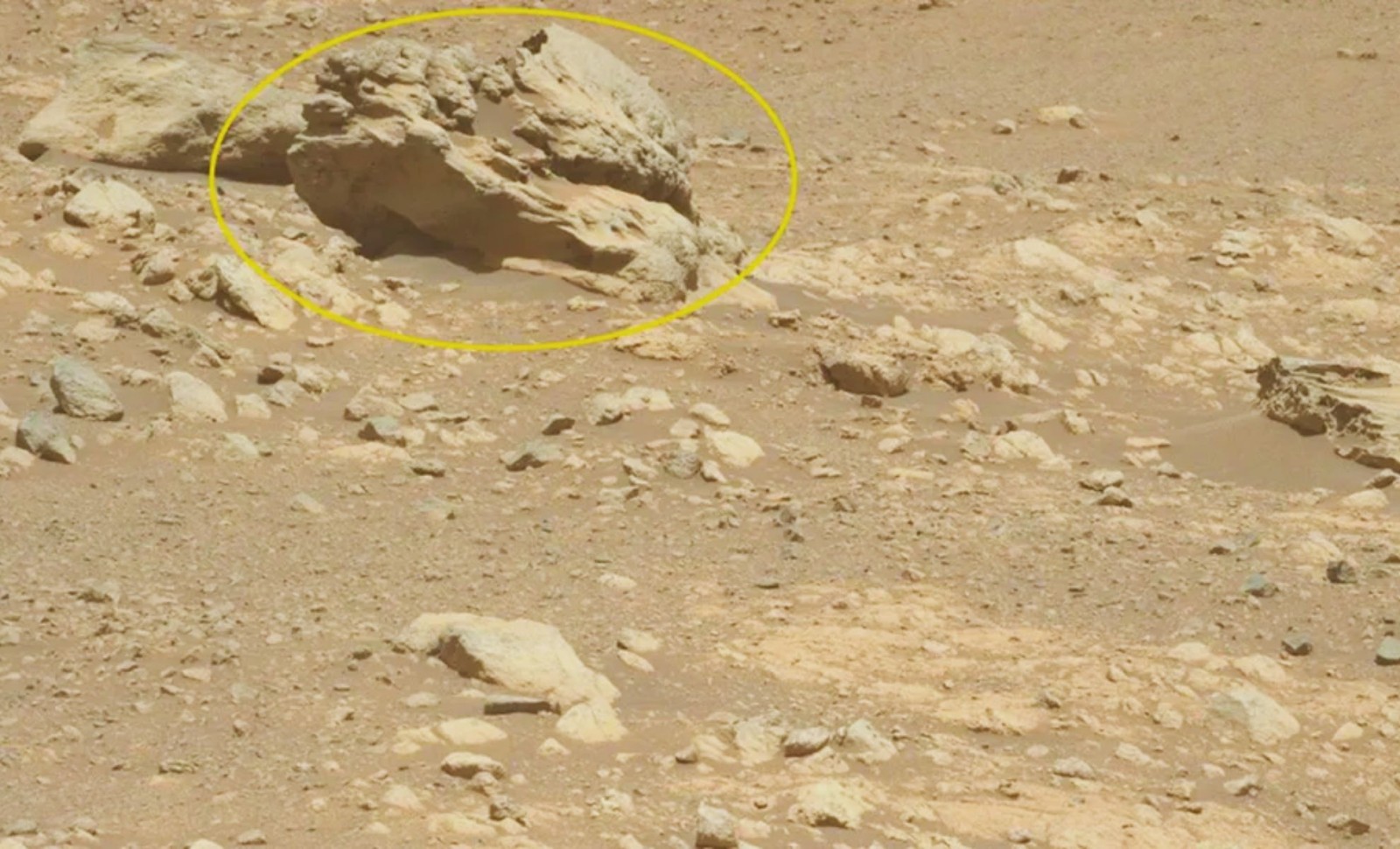
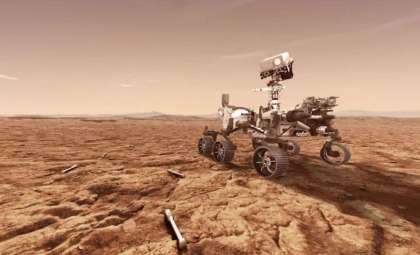
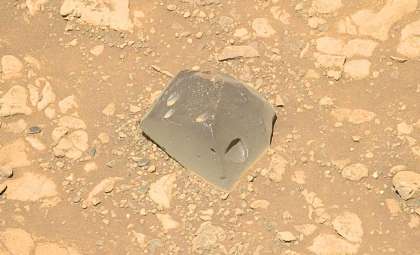
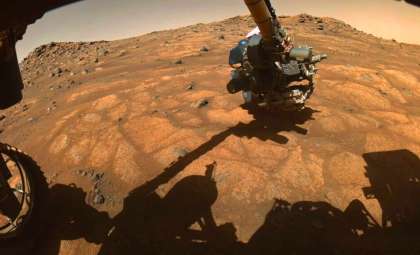
NASA's Perseverance rover, after spending five years exploring Mars, has uncovered an intriguing object that could be a meteorite. This unusual rock, named Phippsaksla, stands distinctively upright amidst the predominantly flat and fractured Martian terrain. Reported in a NASA blog update dated November 13, 2025, this finding offers valuable insight into the meteorite history on the Red Planet.
Though Perseverance’s primary mission focuses on detecting signs of ancient life and gathering samples, meteorites have become a captivating secondary target. While previous rovers like Curiosity have already identified meteorites, Phippsaksla presents fresh opportunities to deepen our understanding of Mars' geological context and the ways space debris interacts with the surface.
The Meteorite That Redefined Expectations
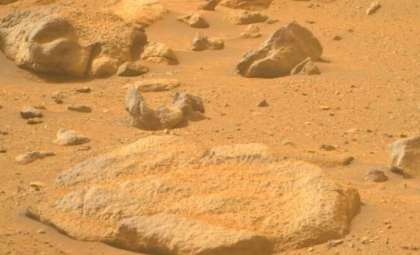
On September 2, 2025, Perseverance encountered a strikingly shaped rock that contrasted sharply with its surroundings. Rising upright with a unique form, it differed from the usual low-profile, shattered stones scattered nearby. Candice Bedford, a research scientist at Purdue University, noted that the unusual shape immediately attracted the research team’s focus. Utilizing the rover’s Mastcam-Z camera, they examined the rock more closely and identified it as a likely meteorite.

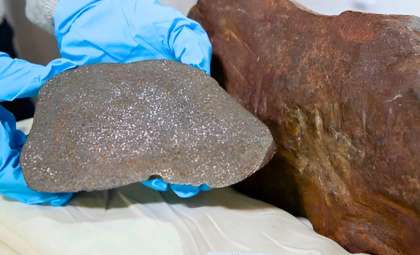
In their blog, NASA revealed the meteorite was named after a location in Svalbard, Norway, marking Perseverance’s inaugural probable meteorite discovery. Nevertheless, prior rovers such as Curiosity have already discovered several nickel-iron meteorites in the Gale Crater.
“As such, it has been somewhat unexpected that Perseverance had not seen iron-nickel meteorites within Jezero crater, particularly given its similar age to Gale crater [where Curiosity currently resides],” Bedford wrote in the statement.
Meteorites: Keys to Unlocking Mars’ Past
While meteorite detection wasn’t a main goal for Perseverance upon landing, these space rocks have proven to be important in revealing Mars’ exposure to cosmic debris. Jezero Crater, known for its ancient lakebed and sedimentary deltas, may have served as a prime catchment site for meteorites over time. This makes the presence of Phippsaksla within the crater a fascinating find that complements the overall mission objectives.
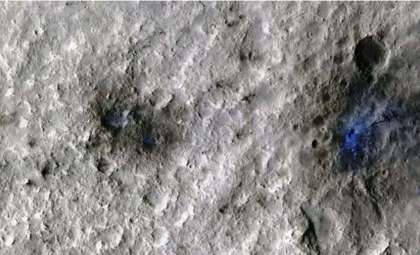
The numerous impact craters in the vicinity likely attracted fragments from space throughout the planet’s history, reinforcing the significance of this discovery.
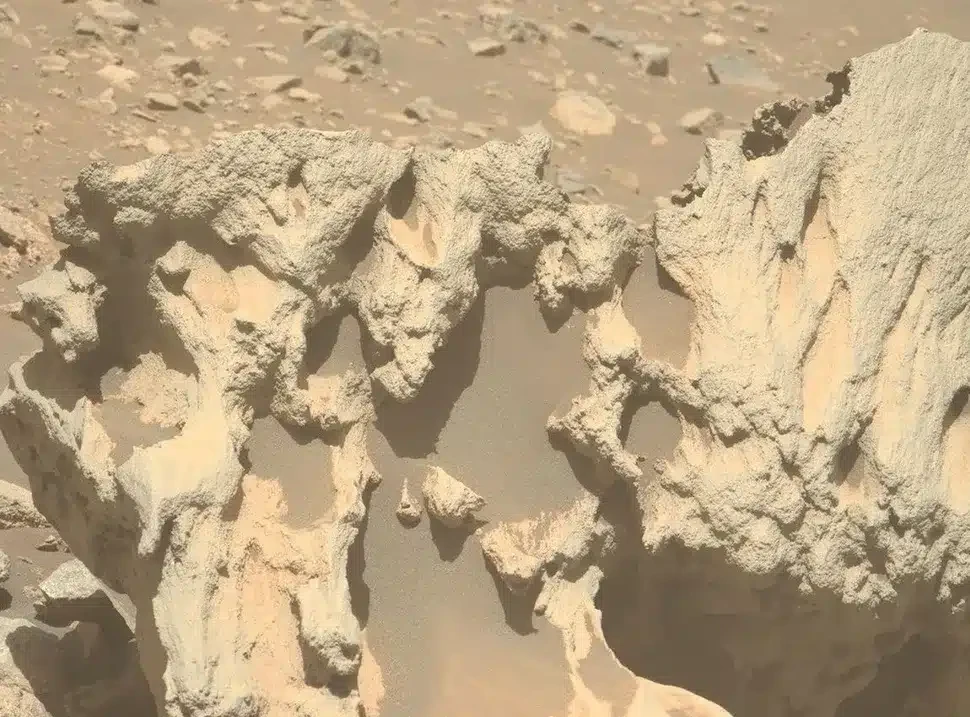
Perseverance’s Goal: Tracing Signs of Ancient Martian Life
Scientists have long believed that Jezero Crater once housed a lake, creating conditions that could have supported life. Perseverance’s array of instruments has been examining the rocks and soil here to detect chemical signs that may indicate past biological activity.
Recently, the rover observed chemical interactions between organic compounds and sediments that could be linked to ancient microbial life, though these results remain preliminary. Continued analysis and returning samples to Earth are essential to definitively answer whether life ever thrived on Mars.
- Categories:
- Space




0 comments
Sign in to Comment