
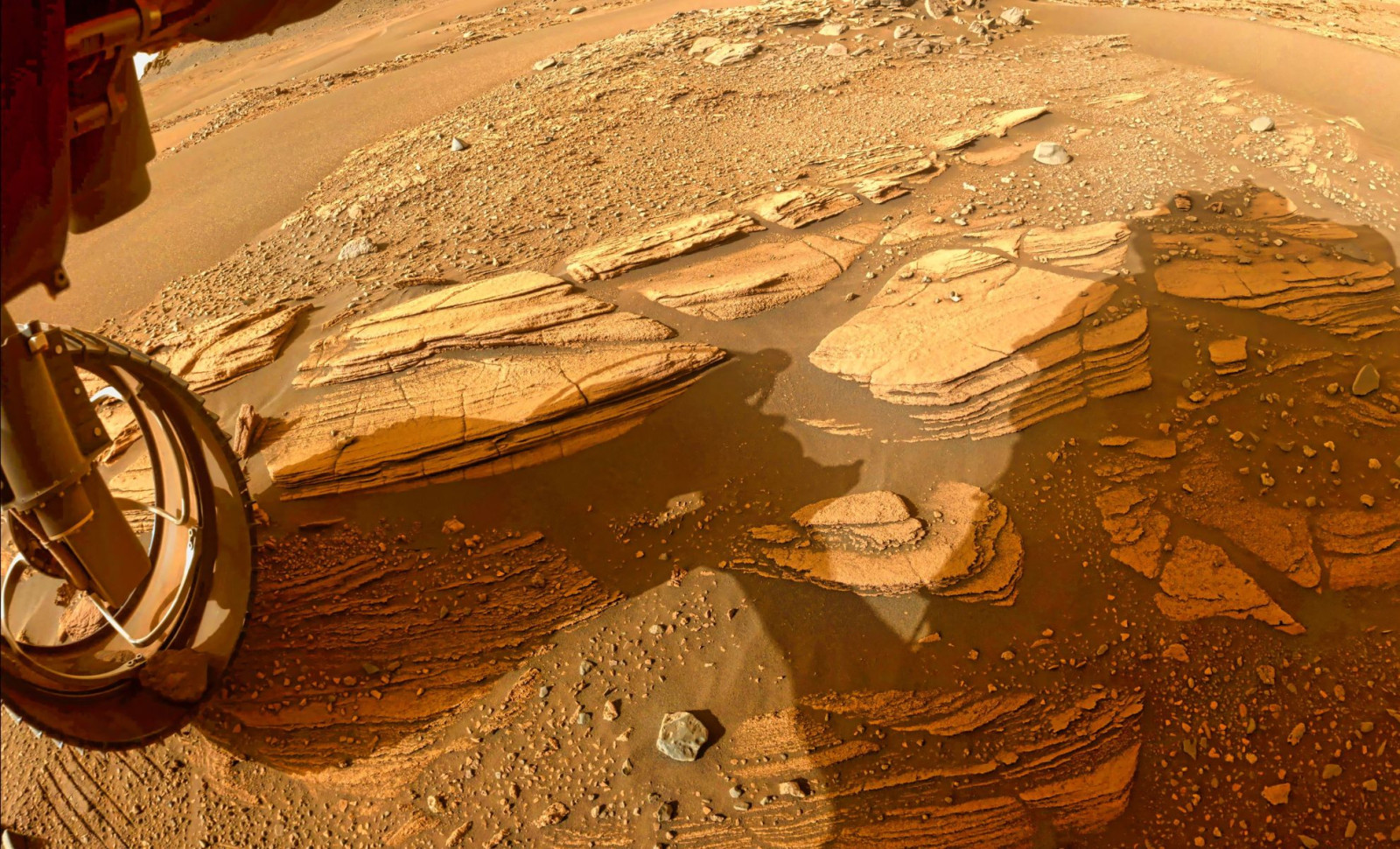
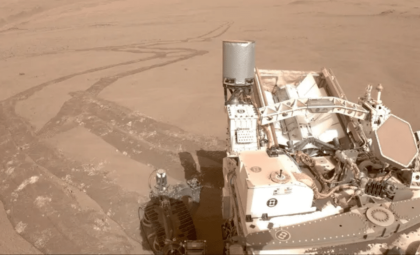
NASA's Perseverance rover has revealed the presence of microscopic corundum particles—the mineral known for creating rubies and sapphires—embedded within Martian rocks. This was confirmed using advanced laser spectroscopy, marking the initial discovery of corundum on the Red Planet.
The detection occurred at the edge of Jezero crater, a key site for studying Mars' geological past. Data shared at the Lunar and Planetary Science Conference showed that the mineral signatures matched those of corundum samples tested in Earth laboratories.
This finding is notable because corundum typically forms under conditions related to tectonic activity, a process absent on Mars, making the origin of these grains particularly intriguing.

SuperCam Instrument Identifies Corundum via Laser Techniques
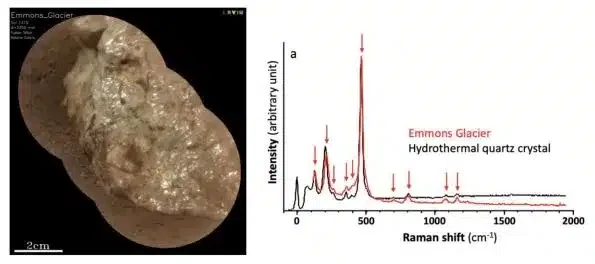
Perseverance’s SuperCam first spotted corundum grains on a rock dubbed Hampden River. The instrument used two laser methods: one to vaporize the surface and another to induce luminescence. The emitted light closely resembled signals emitted by rubies under Earth-based analysis.
Ann Ollila from Los Alamos National Laboratory stated that both spectroscopic approaches yielded consistent results confirming corundum. SuperCam’s combination of spectroscopy and imaging allows for mineral identification without having to collect physical samples.
Corundum Signals Found Across Various Martian Rocks
Following the initial discovery, Perseverance also analyzed rocks named Coffee Cove and Smiths Harbour, which exhibited similar chemical patterns consistent with corundum presence.
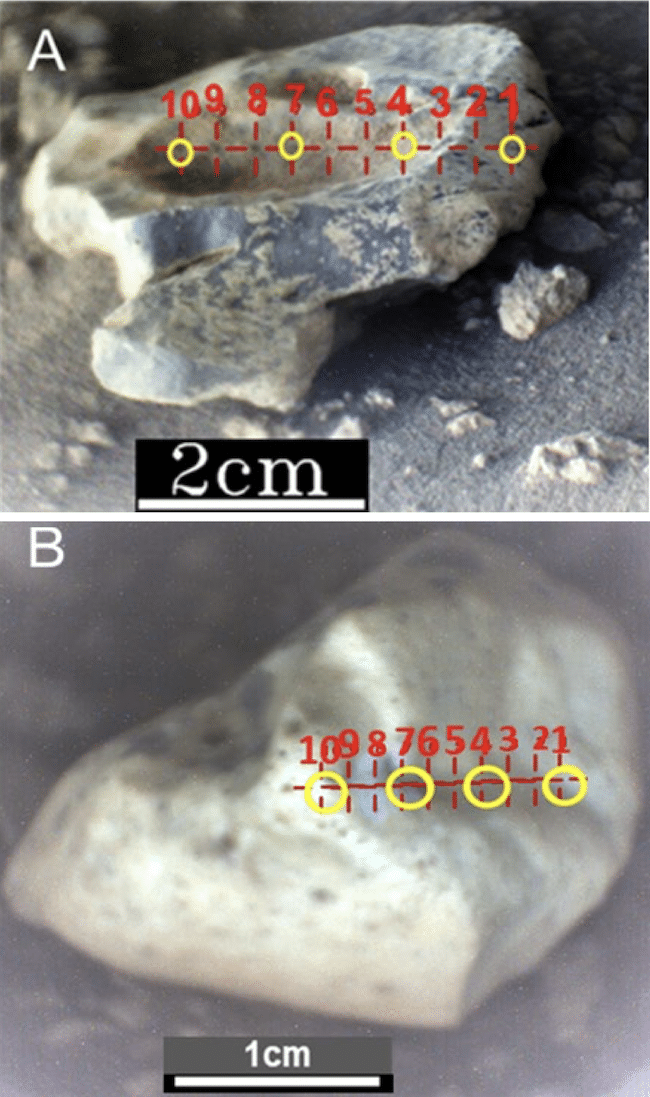
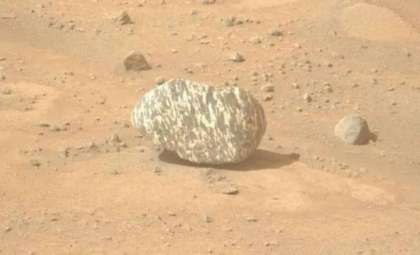
Research presented on March 16 in Texas indicated these recurring detections imply corundum is distributed in several locations along the crater’s rim. These grains are extremely tiny—less than 0.2 millimeters—and visually resemble ordinary pale pebbles in rover photographs.
Meteorite Impacts Likely Responsible for Corundum Formation
On Earth, corundum commonly forms in aluminum-rich, silica-poor environments influenced by tectonic forces—processes absent on Mars. Ollila’s presentation suggested that meteorite impacts, which generate intense heat and pressure, are the most viable cause for corundum formation on Mars.
“The impacts provide high temperatures and high pressures, which can produce corundum. Hydrothermal fluids are also generated,” explained Valerie Payré, a planetary geologist based at the University of Iowa. Yet the researchers must find additional samples, at their origin, to describe their formation mechanism.
Allan Treiman from the Lunar and Planetary Institute expressed astonishment at the discovery during the conference, noting:
“In retrospect, one might not have been, because there are aluminium-rich outcrops elsewhere on the planet and there are impacts, but I thought it was very shocking to see this.”
Due to their minute size, these grains’ color cannot be identified to determine if they resemble rubies or sapphires. Under SuperCam’s laser, however, they emit a bright fluorescence, offering the strongest evidence of corundum's presence.
“We cannot quantify the amount of chromium, and other elements like iron and titanium might be present too. It is thus difficult to conclude whether they are rubies or other types of corundum [like sapphires],” Payré remarked.
- Categories:
- Nasa






0 comments
Sign in to Comment