
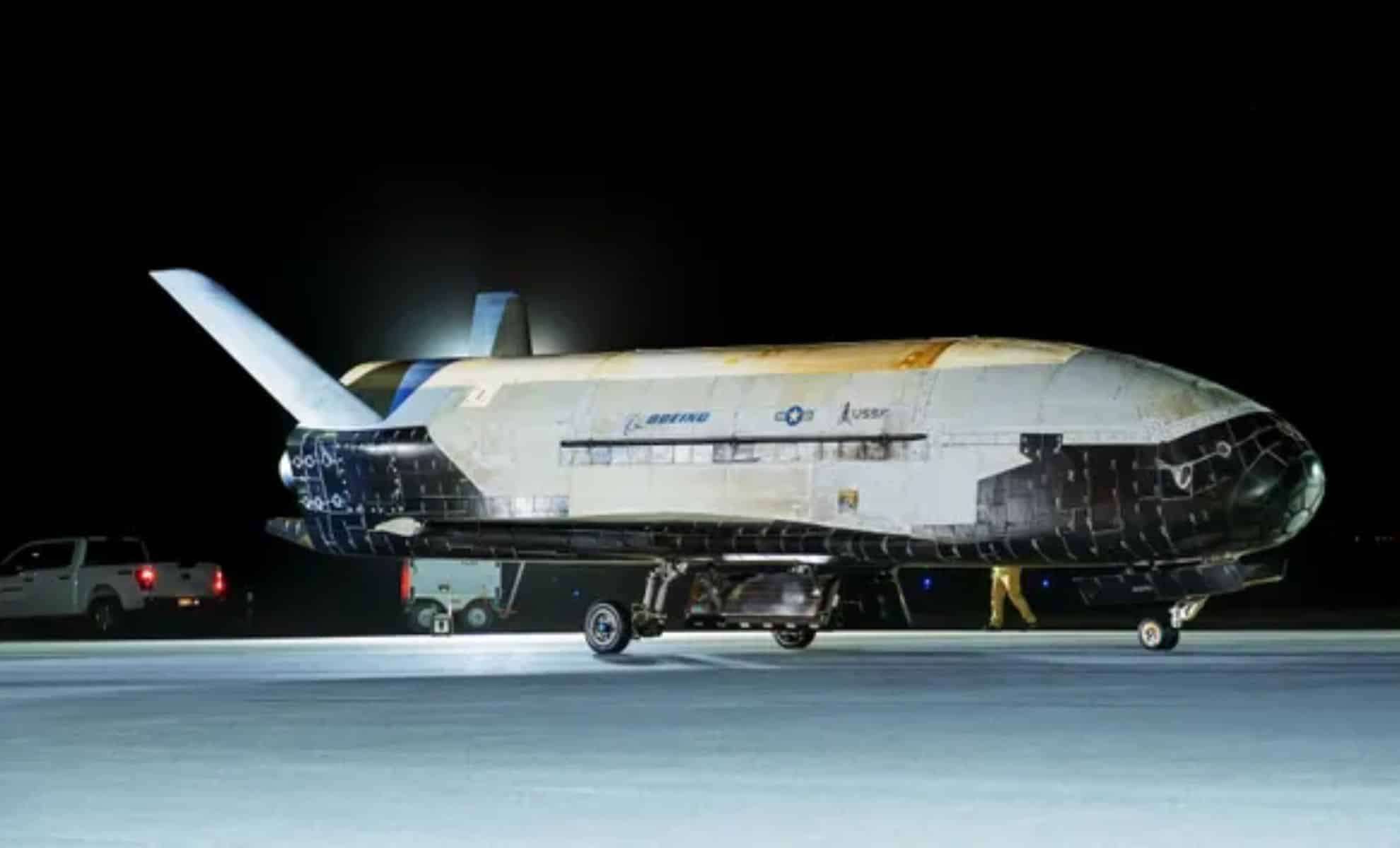
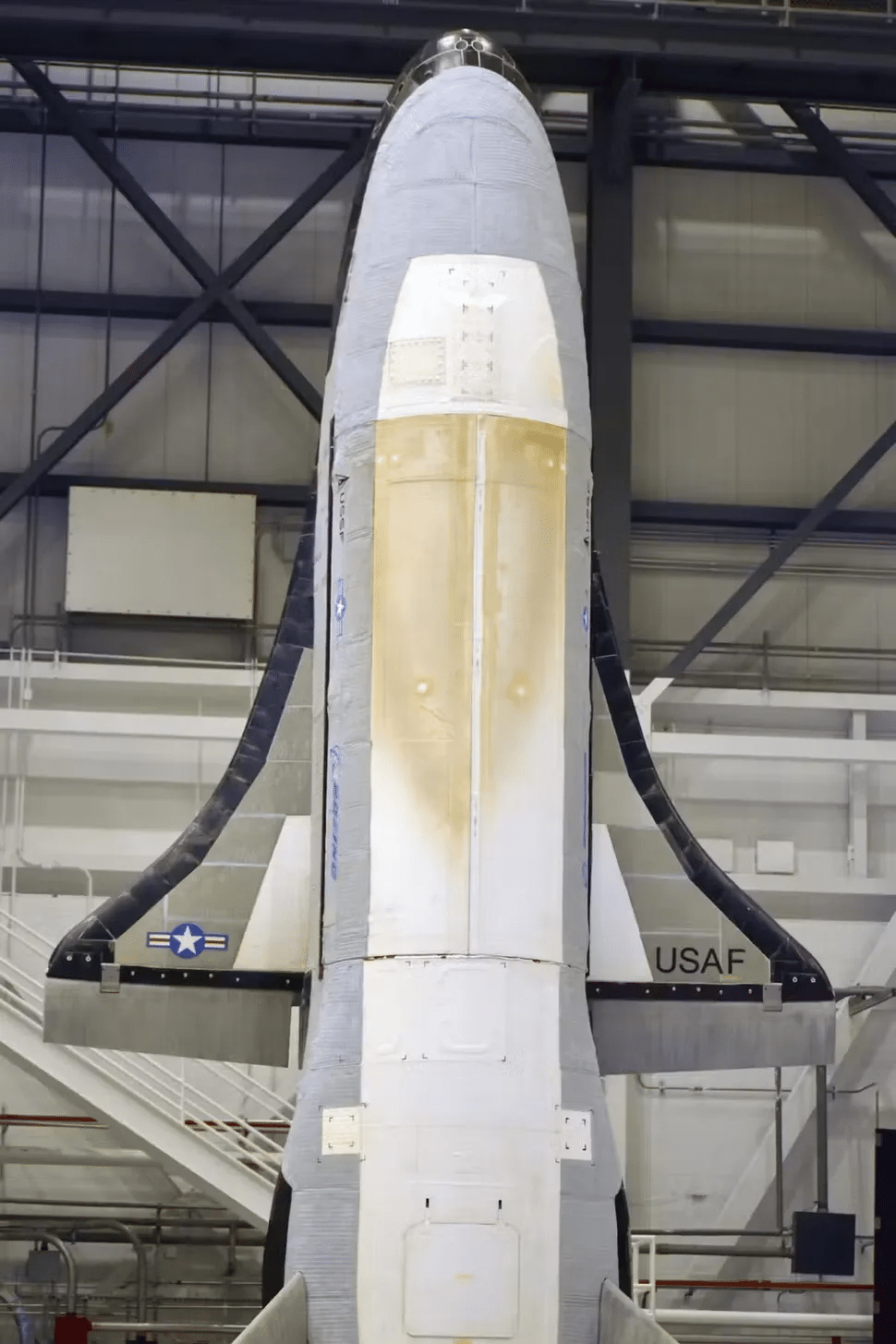
On August 21, 2025, the US military’s X-37B spaceplane will embark on a mission to demonstrate a groundbreaking quantum-based inertial navigation system, advancing the frontier of navigation technology in orbit. As reported by The Conversation, this pioneering experiment aims to enhance navigation capabilities for vehicles like spacecraft, submarines, aircraft, and ships when traditional GPS is unavailable, unreliable, or compromised. Unlike conventional navigation methods that rely on external signals, this quantum system functions independently, offering a robust solution against GPS interruptions. The trial in space underscores the potential impact this technology holds for military and civilian aerospace sectors alike.
Limitations of GPS Navigation Systems
Global Positioning System (GPS) technology has become vital to modern navigation, guiding everything from cars and airplanes to shipments across continents. Yet GPS has inherent weaknesses: its signals can be blocked, spoofed, or simply don’t reach certain environments. Deep space beyond Earth's orbit lacks GPS coverage, and vessels like submarines submerged underwater lose access entirely. Even terrestrial GPS can be disrupted maliciously through jamming or spoofing, posing serious risks to defense, aviation, and maritime operations.
These vulnerabilities highlight the need for autonomous navigation solutions that do not depend on external references. Quantum navigation is emerging as a promising candidate to fulfill this role.

Deficiencies in Conventional Inertial Navigation Systems
When GPS signals are unavailable, inertial navigation systems (INS) are typically employed. These rely on accelerometers and gyroscopes to track movement and orientation, estimating position based on motion data, much like a passenger sensing car movement with eyes closed. However, such systems suffer from error accumulation known as drift—small inaccuracies multiply over time, degrading positional accuracy, especially during extended missions without GPS calibration.
Harnessing Quantum Mechanics for Superior Navigation
The principles of quantum mechanics, governing particles at atomic scales, offer a solution to overcome these limitations. Quantum inertial sensors utilize the wave-like properties of atoms cooled to near absolute zero. Through atom interferometry, lasers split atomic waves into superpositioned paths that later recombine, creating detectable interference patterns that precisely reveal changes in motion such as acceleration or rotation.
This quantum interference is exquisitely sensitive, enabling navigation systems that outperform classical devices by reducing drift and bias. Since atoms used are uniform and stable, quantum inertial navigation promises greater precision and long-term reliability without dependency on external signals.
X-37B: Pioneering Spaceborne Quantum Navigation
The forthcoming X-37B mission is the first to put a quantum inertial navigation device explicitly designed for space navigation to the test. While prior missions like NASA’s Cold Atom Laboratory and Germany’s MAIUS-1 demonstrated atom interferometry in space, their focus was not on navigation. This mission advances the development of compact, resilient quantum navigation instruments tailored for real-world space operations.
Success in this arena could revolutionize navigation capabilities in space, offering autonomous guidance for spacecraft during extended missions where GPS is non-existent or compromised. Beyond space, the US Space Force anticipates applications in military contexts where GPS denial presents operational challenges. Furthermore, quantum navigation holds promise for civilian exploration ventures heading to the Moon, Mars, and beyond, ensuring precise positioning amidst vast cosmic distances.
- Categories:
- News











0 comments
Sign in to Comment