

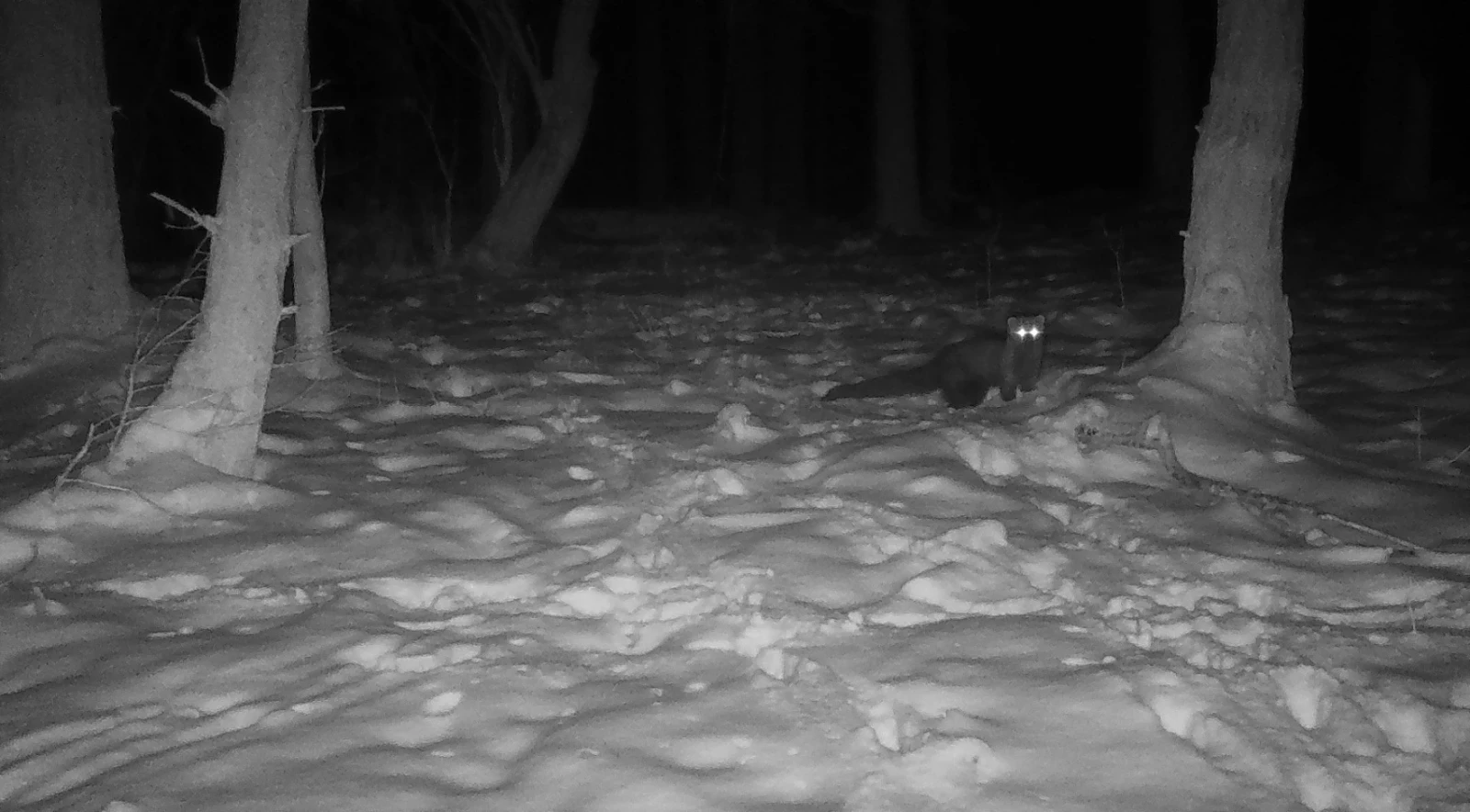
For the first time in over a hundred years, a seldom-seen animal has been recorded within Cleveland Metroparks. This remarkable footage from a trail camera taken earlier this year highlights the positive impact of ongoing conservation measures and signals a resurgence of Ohio’s natural habitats.
Once common throughout Ohio’s forests, the fisher—a carnivorous mammal related to weasels, otters, and minks—disappeared from much of the state in the mid-1800s due to unregulated trapping and extensive destruction of its woodland habitat. Its unexpected return to Cuyahoga County has thrilled park officials and wildlife supporters who had not documented this elusive species locally for over a century.
Rediscovering a Lost Species
Historically present throughout Ohio’s forests, fishers vanished primarily because of human activities. According to officials in an Instagram statement, population declines were driven by unregulated trapping and the steady loss of forested areas during the 19th century.

“This is tremendously exciting, as this is yet another extirpated native Ohio mammal species to be documented for the first time in Cleveland Metroparks,” Park officials mentioned.
After no confirmed sightings for over 100 years in Cuyahoga County, the trail camera captured the fisher moving quietly through the woods, pausing briefly to look directly at the lens.
“We don’t have cameras everywhere, and they don’t see everything,” said Jon Cepek, Cleveland Metroparks’ wildlife ecologist. “Usually, with our cameras out year-round at sites, sooner or later something goes in front of it.”
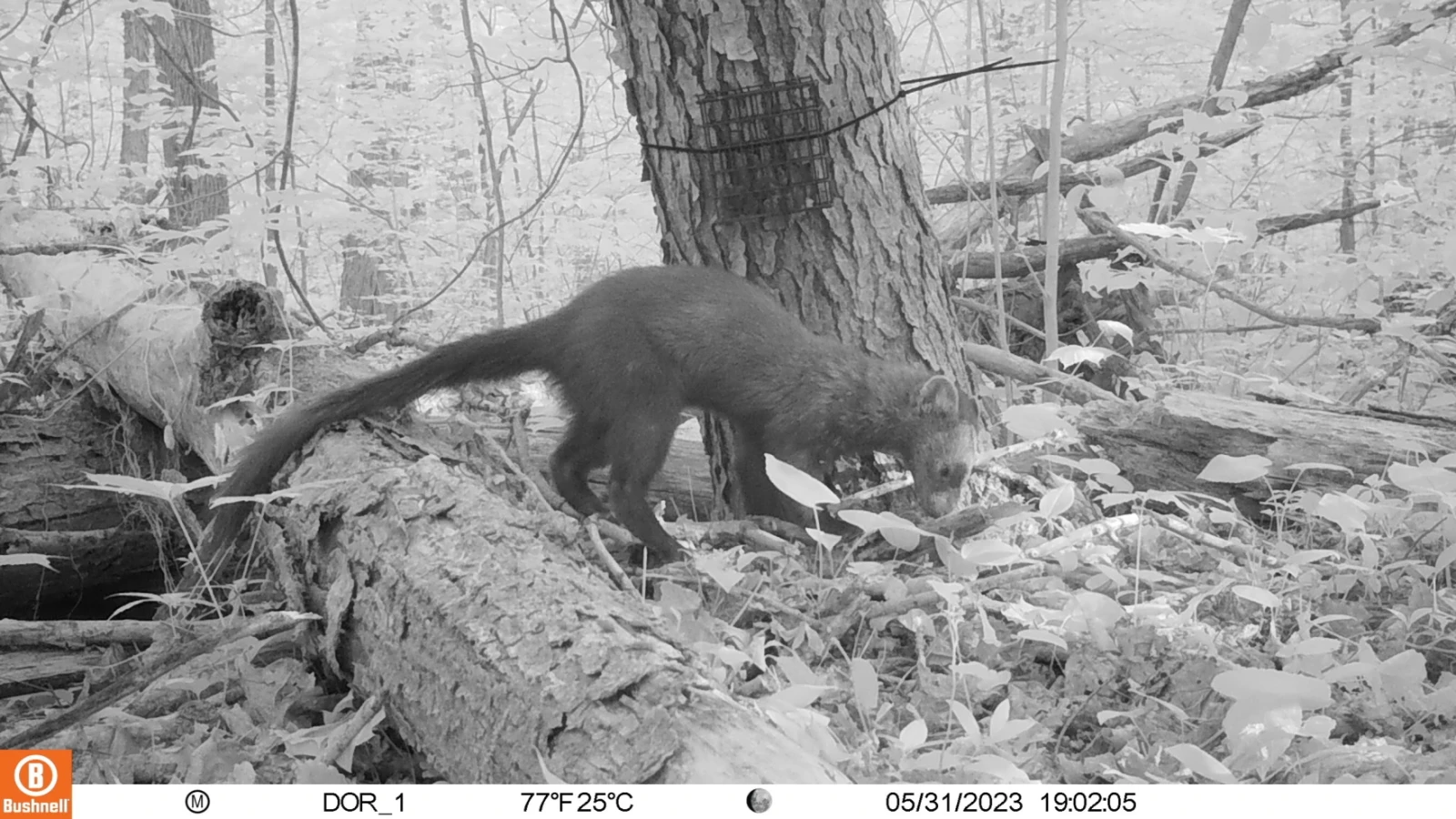
The DailyMail reports that adult fishers measure from 20 to 25 inches in body length, excluding a tail that can grow as long as 16.5 inches. Their weight varies widely, usually between three and 15 pounds. Characteristic features include a slender body, bushy tail, pointed muzzle, and rounded ears.
Wildlife Conservation in Action
This fisher’s presence in Cleveland reflects a larger trend of species recovery across northeastern Ohio. The Ohio Department of Natural Resources (ODNR) has documented more than 40 fisher encounters within the region during the past three years. This comeback is largely attributed to the successful reintroduction initiatives carried out in neighboring states such as Pennsylvania and West Virginia, where fishers were released and gradually spread into new territories.
Biologists note that fishers are particularly challenging to observe due to their preference for dense, forested environments where they spend much time in the trees. Their diet consists mainly of small mammals like squirrels, and their generally solitary and secretive habits add to their elusive reputation.
A Positive Outlook for Native Wildlife
The fisher sighting is not an isolated occurrence; it indicates a broader return of native animals across Ohio. The Ohio Division of Wildlife continues to monitor fishers and other species such as otters and bobcats, which have also seen population recoveries in recent times. The increasing number of observations—including reports of pregnant females and expanding habitats—suggests that fishers are successfully reestablishing themselves within Ohio’s woodlands.
“The return of fishers and other extirpated species like otters, bobcats and trumpeter swans are a result of conservation efforts and emphasizes the importance of our healthy forests, wetlands, waterways and natural areas in Cleveland Metroparks,” they said.
This represents a significant accomplishment for conservation advocates who have invested years in habitat restoration. Officials urge local residents to report any fisher sightings to the Ohio Division of Wildlife to help researchers continue tracking the recovery and better understand the species’ ecological role.
- Categories:
- News











0 comments
Sign in to Comment