
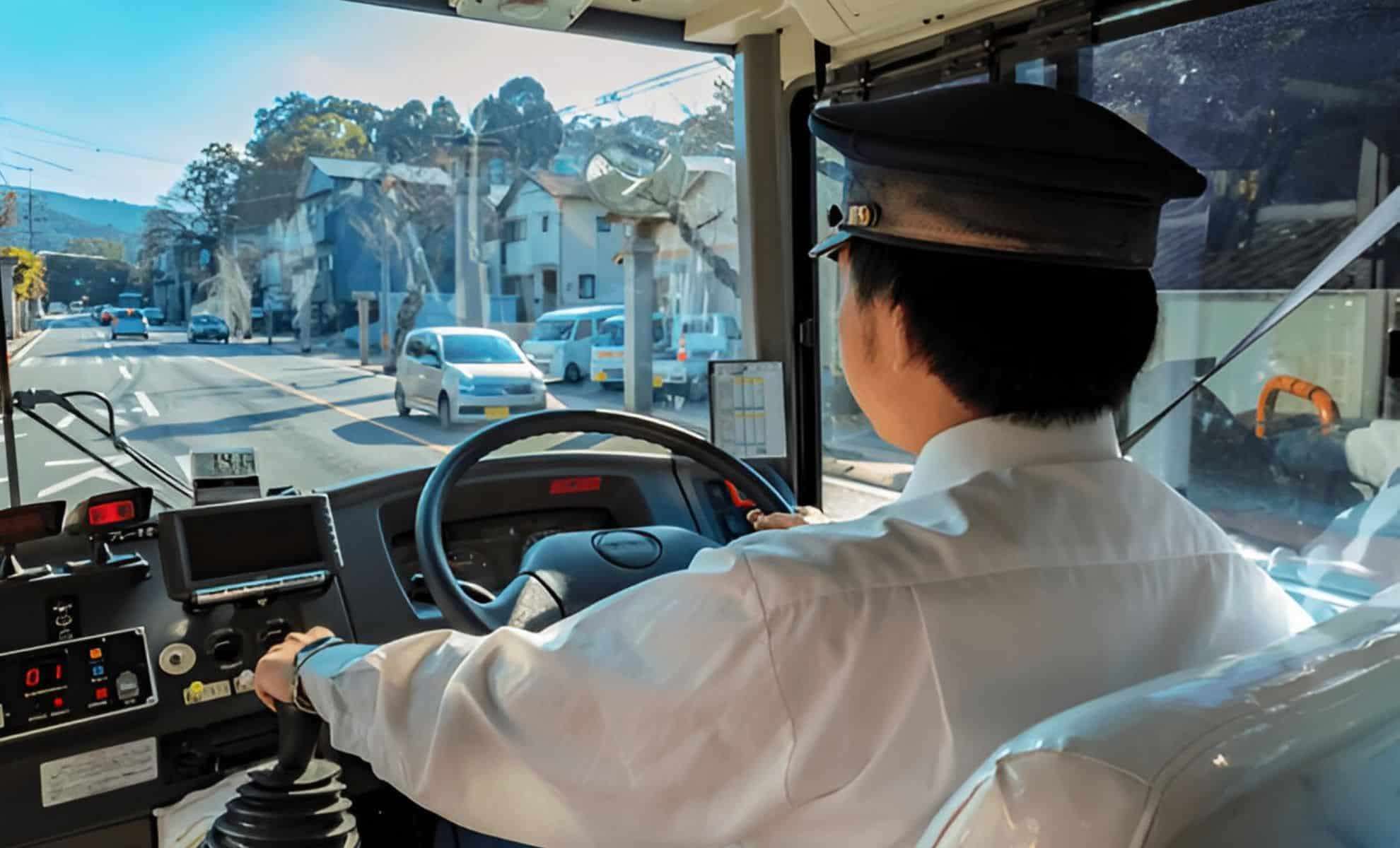
Surveillance cameras installed above the windshield of Kyoto city buses rarely influence the daily duties of their drivers. However, for a 58-year-old employee with the Kyoto City Transportation Bureau, footage from one routine shift dramatically changed the trajectory of nearly 30 years of public service.
In February 2022, during a normal route, this bus operator was recorded diverting a passenger's 1,000 yen bill—equivalent to roughly $7—from the official fare system into his own pocket. This act led to his termination and the revocation of his entire pension package, valued at about 12 million yen, or close to €73,000.
A lifelong career derailed by one incident
JapanToday reports that the event occurred when five passengers boarded and collectively paid 1,150 yen. While most fare payments were correctly recorded through the machine, one 1,000 yen note handed directly to the driver went unreported. This offense, caught by the onboard camera, triggered immediate disciplinary intervention.

The bus driver, whose identity remains confidential, initially denied wrongdoing during interrogations with supervisory staff. Video evidence, however, left no doubt. The Kyoto City authorities immediately dismissed him for violating public trust and professional standards.
Previously, the driver had minor reprimands, such as smoking an e-cigarette while working. This latest transgression was deemed incompatible with the ethical expectations of municipal workers handling public finances.

Japan’s Supreme Court upholds pension forfeiture
Disputing the harshness of his dismissal, the former driver pursued legal action, contending that the city’s measures were disproportionate given his lengthy service. Initially, a lower court found the punishment excessive and ruled in his favor.
However, the case advanced to the Supreme Court of Japan, which overruled the previous judgment. The top court endorsed Kyoto City’s decision, stressing that such acts "damage public confidence and disrupt the orderly operation of the bus network."
This verdict confirmed the city’s authority to enforce strict actions to uphold the integrity of public service positions. “Every bus operator works independently and manages public funds,” stated Shinichi Hirai, a city transport bureau representative. “We treated this matter with utmost seriousness.”
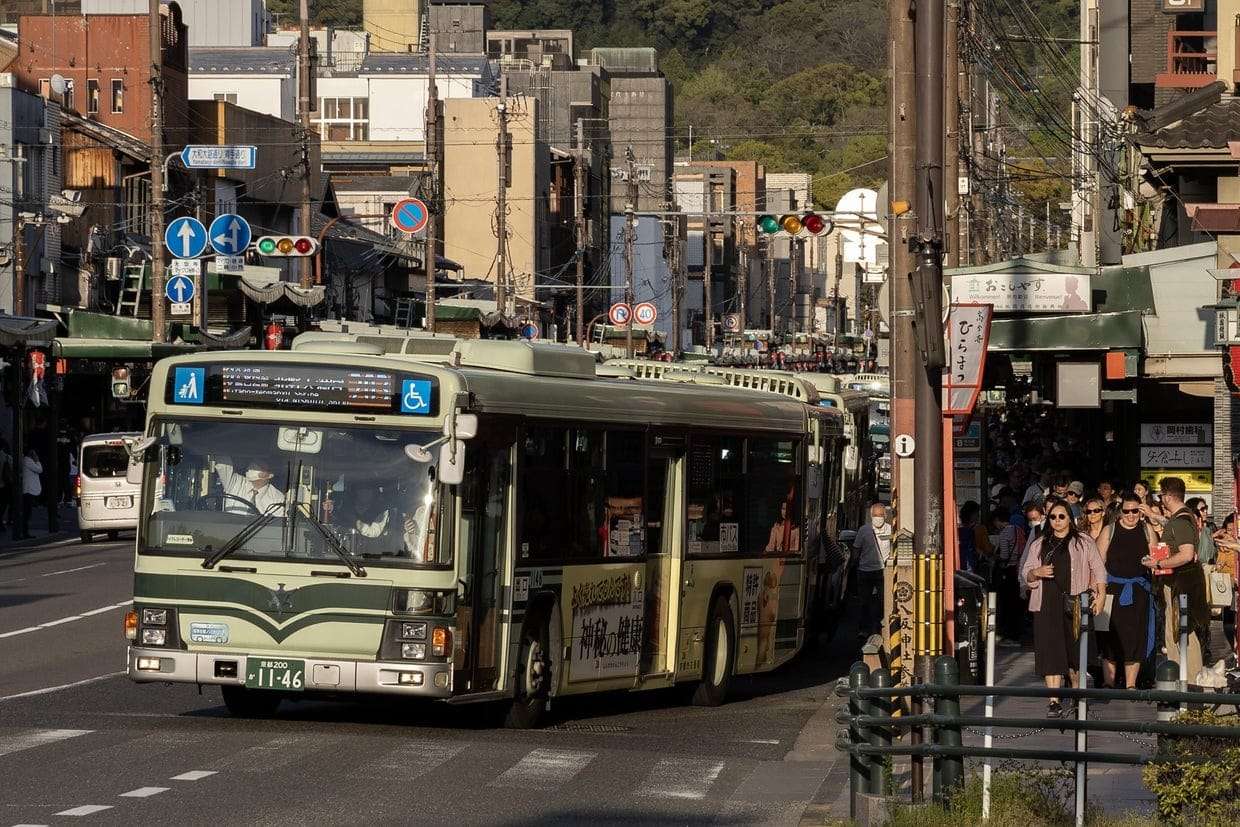
Video surveillance bolsters accountability
This incident has sparked discussion on the increasing impact of technology in maintaining discipline and transparency among public workers. Absent the dashcam recording, the misappropriation of funds might have gone unnoticed. The footage provided clear evidence that precipitated both the driver’s dismissal and subsequent court case.
For city officials, surveillance tools not only enhance operational security but also serve to prevent misconduct in roles entrusted with public money. This technology proved pivotal in determining the outcome of this case.
Reinforcing trust in public service positions
Kyoto’s rigorous response highlights a broader commitment to uphold ethical conduct within its civil service ranks. Authorities emphasized that confidence in public employees, especially those handling financial transactions, must remain unwavering.
The termination and pension loss experienced by the driver stand as a firm reminder of the consequences stemming from even minor breaches of public trust. For workers in similarly accountable and independent roles, the message is unmistakably clear.
- Categories:
- News












0 comments
Sign in to Comment